Driving Enterprise Innovation Through Scalable AI and Strategic Engineering

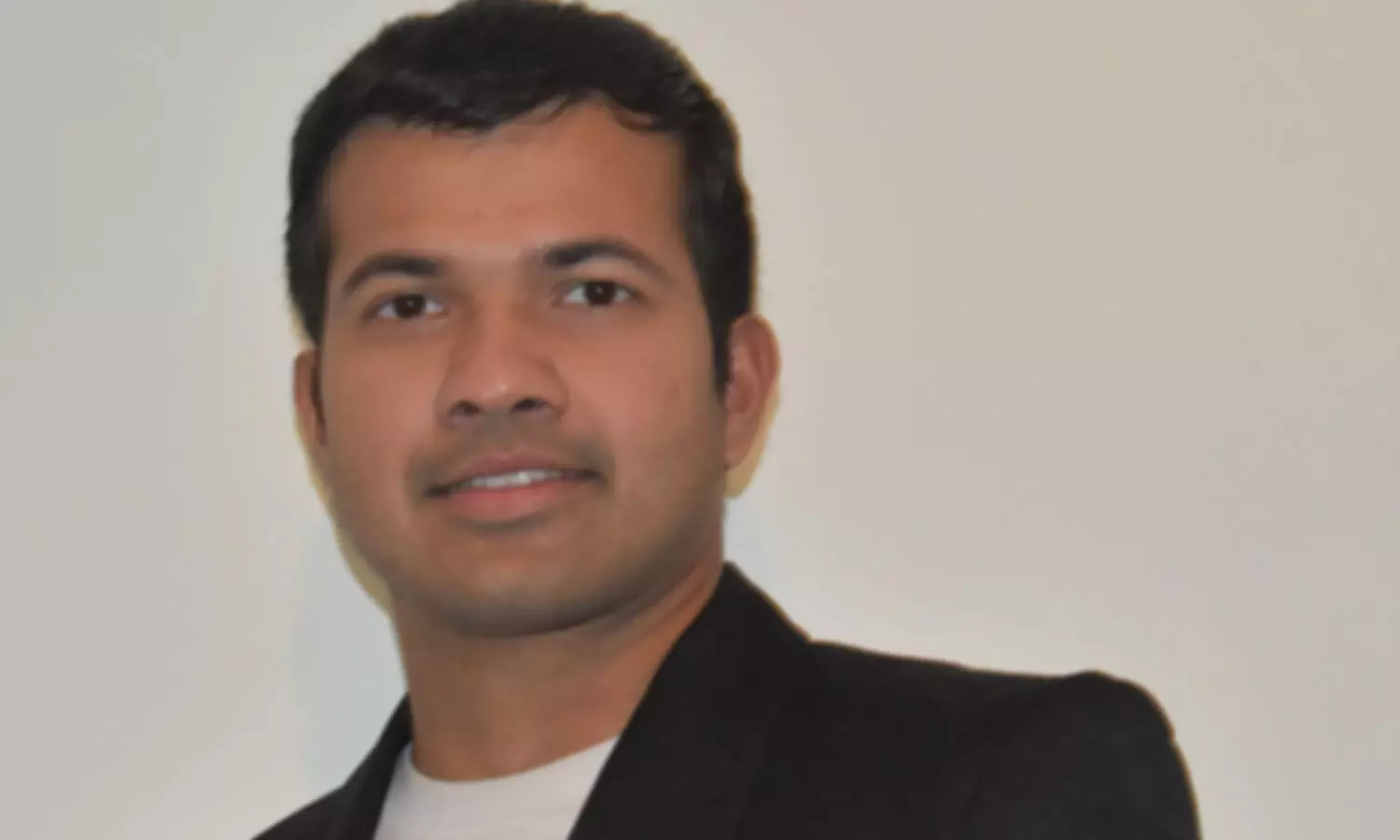
Prajwal Sadananda Nayak is a visionary software engineer and entrepreneur at the forefront of AI-driven enterprise innovation. With a strong foundation in machine learning and a proven track record across fintech, cybersecurity, and large-scale systems, he bridges cutting-edge technology with strategic business impact
For Prajwal Sadananda Nayak, the convergence of artificial intelligence and enterprise technology isn’t just a trend—it’s the foundation of a transformative era. A seasoned software engineer and serial entrepreneur, Prajwal brings both technical mastery and business insight to the evolving landscape of autonomous systems. “Technology,” he reflects, “has always held the power to reshape industries. But when harnessed responsibly, AI can truly augment human potential and unlock a new level of operational intelligence.”
A graduate of Manipal Institute of Technology with a B.Tech in Computer Science and a specialisation in Machine Learning, Prajwal has built his career around solving large-scale challenges across fintech, cybersecurity, and enterprise platforms. His entrepreneurial mindset led him to focus on designing AI systems that are not only intelligent but inherently scalable and reliable. “The real value of AI,” he notes, “lies in its ability to simplify complexity—whether that’s reducing inefficiencies or enabling smarter, faster decision-making across the enterprise.”
Behind every innovation is a methodical approach. Prajwal employs agile methodologies to break down ambitious AI initiatives into actionable milestones. “It’s about balancing vision with practicality,” he says. “We define clear roadmaps, synchronise regularly, and ensure that every sprint delivers measurable progress without compromising quality or accumulating technical debt.”
One of the most difficult challenges he addresses is ensuring that cutting-edge AI features meet enterprise-grade reliability. “There’s always a tension between innovation and stability,” Prajwal admits. To resolve this, he invests heavily in robust testing frameworks and production-grade monitoring systems. Scalability and cost efficiency are designed into the architecture from the ground up.
Measuring success is a multidimensional effort. Technical metrics—such as latency, system uptime, and scalability—are paired with business KPIs like user adoption, operational cost savings, and revenue growth. “Equally important,” he emphasises, “is listening to qualitative feedback from users. That’s often where the most insightful improvements come from.”
Prajwal fosters a culture where experimentation and continuous learning are paramount. “Innovation thrives in environments where engineers feel empowered,” he explains. Team members are encouraged to explore emerging frameworks, participate in architectural decisions, and challenge assumptions constructively.
Working with cross-functional teams is another key element of his leadership style. “Clear communication is critical,” Prajwal asserts. Regular architecture reviews, accessible documentation, and shared technical dashboards help align technical and business goals. “Ultimately, it’s about building trust across the board.”
Looking ahead, he sees large language models, agentic AI, and autonomous decision systems playing a central role in redefining enterprise software. “We’re on the cusp of seeing AI not just assist but truly collaborate with humans in complex workflows,” he says. With regulatory frameworks evolving and deployment methods becoming more efficient, he believes these capabilities will become increasingly accessible to organisations of all sizes.
Prajwal’s entrepreneurial journey, marked by co-founding revenue-generating startups and architecting systems for millions of users, underscores his ability to unite innovation with impact. “The future belongs to those who can merge deep tech with clear business value—and build systems that scale both technically and strategically.”