Transforming Enterprise Systems Through Scalable Cloud Architecture

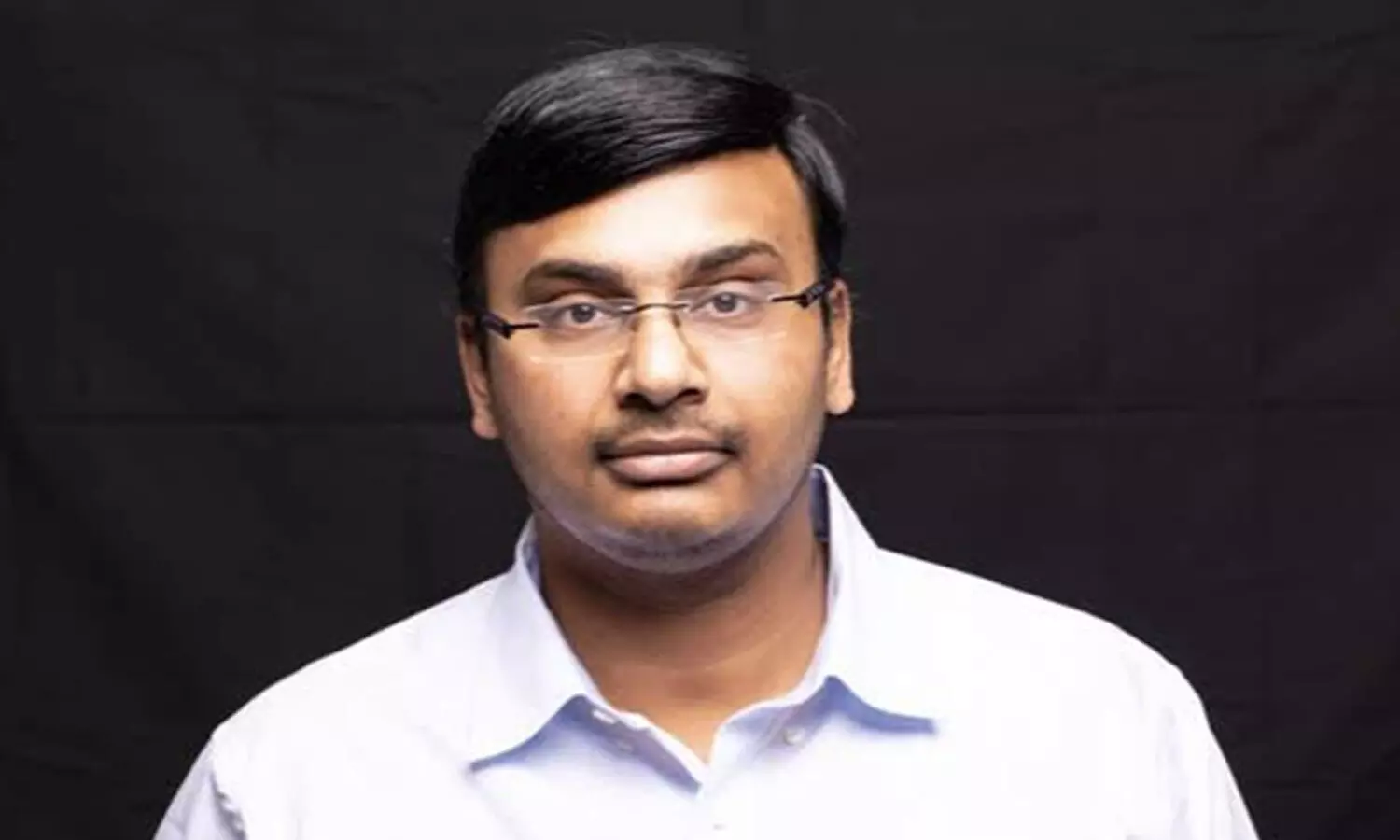
Vamsi Krishna Koganti shared insights on modernising legacy platforms, building resilient distributed systems, and driving innovation through cloud-native technologies and high-performing engineering practices
Vamsi Krishna Koganti, a seasoned Senior Software Engineer based in Celina, Texas, has dedicated over 13 years to mastering the intricacies of cloud-native applications and distributed systems. With a Master’s degree in Computer Science from the University of Missouri, Kansas City, and a Bachelor's from Jawaharlal Nehru Technological University, India, Vamsi has led transformational projects across the financial services sector. His career is built on a commitment to solving complex problems with scalable, resilient, and elegant software solutions.
“My fascination with software engineering began with a desire to understand how systems work at a fundamental level,” Vamsi reflects. “Cloud-native applications and distributed systems offer an exciting paradigm shift. Technologies like Spring Boot and Apache Kafka allow us to design for scale and reliability in ways that were unimaginable a decade ago.”
One of Vamsi’s most impactful achievements was building a fault-tolerant, multi-tenant Kafka platform capable of processing up to 150,000 records per second. “The real challenge was maintaining data integrity and security while meeting throughput requirements,” he says. “We used Oracle GoldenGate for CDC and developed a PCI tokenization service to protect sensitive financial data—this was enterprise-grade engineering at its finest.”
Modernising legacy systems is another area where Vamsi has driven business-critical outcomes. “I believe in the strangler pattern—gradually replacing legacy components with cloud-native services,” he explains. In one case, his team improved loan processing efficiency by 50% through careful decoupling and modernisation efforts.
As a proponent of Infrastructure as Code, Vamsi integrates tools like Terraform and Spinnaker into deployment workflows. “IaC allows us to treat our environments like application code—tested, versioned, and reproducible. It’s a game-changer for disaster recovery and operational consistency.”
Beyond technical implementation, Vamsi places great emphasis on cultivating high-performing teams. “It starts with psychological safety and clear standards. Code reviews are learning opportunities, and mentorship builds cohesion,” he says. He also uses engineering metrics to drive continuous improvement.
His current stack includes AWS services, Spring Boot, Kafka, Jenkins, Datadog, and Dynatrace. “Each tool adds real enterprise value. Observability and automation aren’t optional anymore—they’re essential.”
Looking ahead, Vamsi sees trends like serverless orchestration, event meshes, embedded ML, and zero-trust security reshaping the enterprise landscape. “Success lies in aligning these technologies with business goals, not chasing hype,” he advises.
For aspiring engineers, his advice is rooted in fundamentals and real-world learning: “Build things, break them, and learn. Distributed systems will humble you—and that’s when the real growth begins.”
Vamsi’s journey exemplifies the future of engineering—intelligent, pragmatic, and purpose-driven.