




- APCOB MD stresses deposit mobilisation and quality lending
- Collector inspects EVM warehouse at Dharmavaram market yard
- Control room open for nomination hurdles
- 18 YSRCP candidates filed nominations after SC intervention: Bhumana
- Kotamreddy family steps up campaign for Nellore municipal polls
- Moderate rains disrupt life in Nellore
- MP seeks support for coalition candidates
- NDA faces rebel trouble in urban local body polls
MCD eyes revival of Mughal-era pond lost to time to quench thirst
In Short
The proposal comes amid mounting pressure on Delhi’s groundwater resources. While restoring the pond alone would not resolve the city’s water crisis, a scientifically designed revival could help retain rainwater and recharge groundwater, depending on the site’s hydrology and the quality of the water entering it

Share :
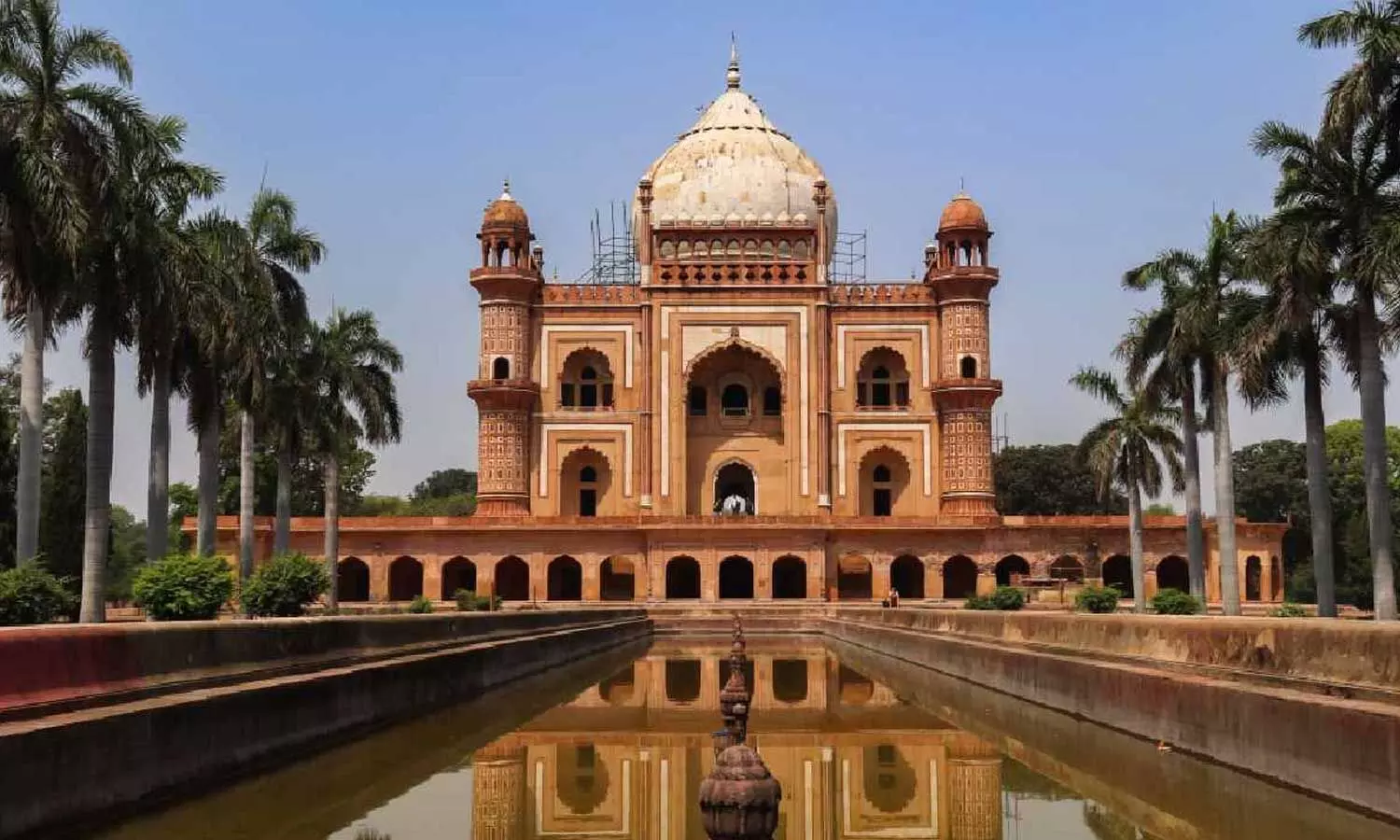
MCD eyes revival of Mughal-era pond lost to time to quench thirst
New Delhi: A centuries-old pond where Mughal emperor Jahandar Shah, son of Bahadur Shah, camped during a battle for the throne in 1712 could hold clues to an opportunity for water conservation in Delhi, with the MCD planning its restoration for rainwater harvesting and groundwater recharge.
The Kishan Das Talab, located along the historic Delhi-Agra route, is believed to have occupied a low-lying stretch behind the campus of the Central Road Research Institute (CRRI), and extending towards the Okhla Waste-to-Energy plant, according to a research paper by Dr Aqil Ahmed, member secretary of the MCD Heritage Cell.
The Municipal Corporation of Delhi (MCD) plans to approach three government agencies -- the Delhi Jal Board (DJB), CRRI and the Delhi Development Authority (DDA), which owns land in the area, -- to share its survey findings on the lost water body and urge them to consider the possibility of restoring it.
The proposal comes amid mounting pressure on Delhi’s groundwater resources. While restoring the pond alone would not resolve the city’s water crisis, a scientifically designed revival could help retain rainwater and recharge groundwater, depending on the site’s hydrology and the quality of the water entering it, officials said.
The pond’s historical trail dates back at least 314 years. On December 9, 1712, Jahandar Shah, embroiled in a struggle for the Mughal throne, left Delhi and camped at Talab Kishan Das near Khizrabad, about 11 km south of the city, according to the research.
“The location was more than a convenient patch of open land. A large imperial camp needed water, fodder, space for troops and animals, and access to a major road.
The pond’s position outside the congested city, but close enough to reach it, made the surrounding landscape suitable for such an encampment,” Ahmed told PTI.
Nearly three decades later, the water body featured in accounts of another major military episode. During Persian ruler Nadir Shah’s invasion of Delhi in 1739, the pond was cited as a geographical marker beyond which a military patrol did not extend.
In the following years, it continued to feature in accounts of military movements around the capital. By the 19th century, it was sufficiently well known to appear as “Kissen Dass ka Talao” in an 1842 road itinerary listing stages along the Delhi-Agra route.
Andhra Pradesh: ZPTC, MPTC polls may be postponed to November 5
Oppn should stop dragging Tiranga into political battle
Needless row over Jaishankar-Rubio meeting in Mumbai
Enough clean chits to China: Kharge questions Modi
Gujarat: Vadodara civic body clears land allotment for Yusuf Pathan
Kerala Health Minister Muraleedharan hits back at three women predecessors of CPI-M over criticism


