Afghanistan Earthquake Claims Over 600 Lives As Emergency Teams Continue Rescue Operations

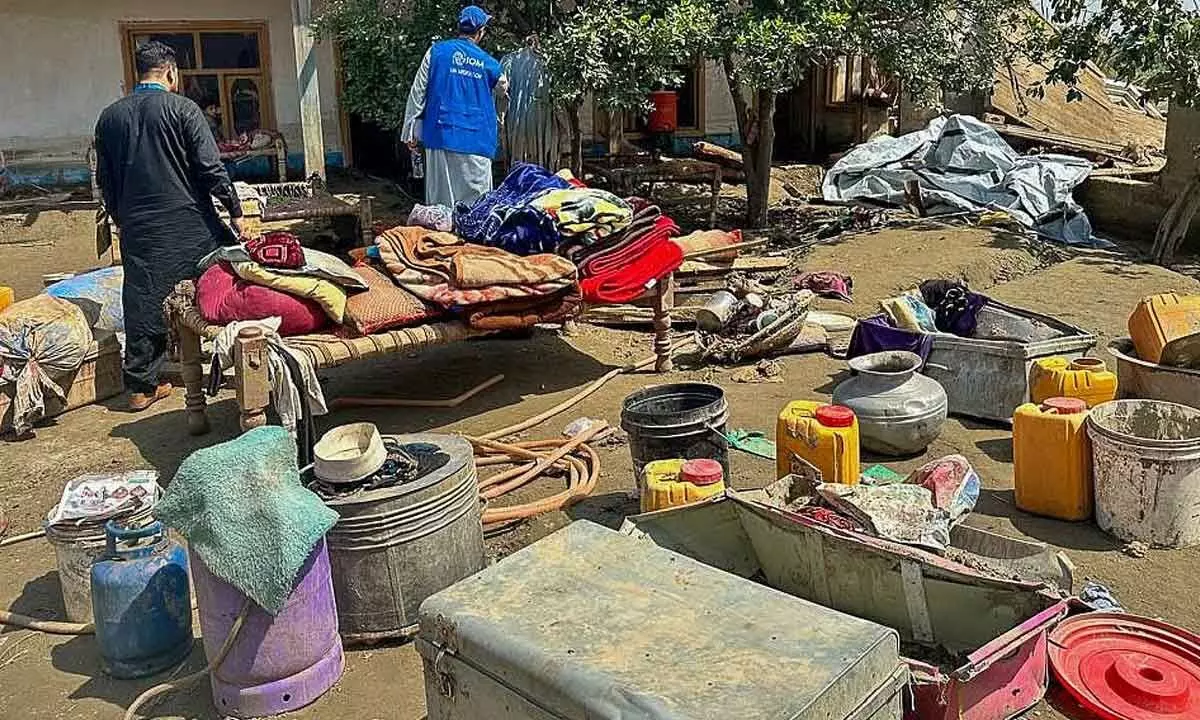
Devastating 6.3 magnitude earthquake near Jalalabad kills more than 600 people and injures 400 others, marking Afghanistan's deadliest seismic disaster since 2023 as rescue efforts continue.
A powerful 6.3 magnitude earthquake has claimed more than 600 lives in Afghanistan, with rescue teams working around the clock to locate survivors trapped beneath collapsed structures in one of the region's most devastating natural disasters in recent years.
The catastrophic tremor struck near Jalalabad in Nangarhar province on Monday morning, prompting immediate emergency response efforts as the death toll continues climbing. Taliban-run Afghan interior ministry officials have confirmed 622 fatalities, while approximately 400 people have sustained injuries requiring medical treatment.
Health ministry spokesperson Sharafat Zaman acknowledged the severity of the situation, stating that casualty numbers remain high as rescue teams struggle to access remote affected areas. The challenging terrain and widespread destruction have complicated efforts to reach all impacted communities, suggesting the final toll may increase as operations progress.
The United States Geological Survey recorded the initial 6.3 magnitude earthquake followed by a secondary 4.7 magnitude tremor occurring at approximately 140 kilometers depth near the original epicenter. The seismic activity generated tremors felt across the border in neighboring Pakistan, demonstrating the extensive reach of the geological disturbance.
This earthquake represents Afghanistan's most lethal seismic event since 2023, when a similar 6.3 magnitude quake followed by powerful aftershocks devastated the same region. Casualty reports from that previous disaster varied significantly, with Taliban authorities claiming approximately 4,000 deaths while United Nations data indicated at least 1,500 fatalities.
Afghanistan's geographical position makes it particularly vulnerable to destructive earthquakes, especially within the Hindu Kush mountain range where the Indian and Eurasian tectonic plates converge. This geological instability creates ongoing seismic risks for communities throughout the mountainous regions, where traditional construction methods often cannot withstand major tremors.
Emergency response teams are conducting intensive search and rescue operations throughout the affected zones, methodically working through debris and collapsed buildings to locate survivors. The scale of destruction has overwhelmed local emergency services, with rescue workers facing significant logistical challenges in reaching isolated mountain communities.
International humanitarian organizations are monitoring the situation closely, though Afghanistan's current political isolation has complicated traditional aid coordination mechanisms. The Taliban administration's limited resources and infrastructure challenges add additional complexity to disaster response efforts in a country already facing severe economic hardships.
The earthquake's impact extends beyond immediate casualties, with substantial damage to housing, infrastructure, and essential services throughout the affected region. Many families have lost their homes entirely, creating urgent needs for temporary shelter, medical care, and basic supplies as rescue operations transition into longer-term relief efforts.
Medical facilities in the region are operating at capacity while treating earthquake victims, with some patients requiring transfer to larger hospitals in urban centers. The combined challenges of treating injured survivors while managing limited medical resources have placed extraordinary pressure on Afghanistan's already strained healthcare system during this critical emergency response period.