Trump Accuses China Of Breaking Trade Agreement After Brief Diplomatic Détente

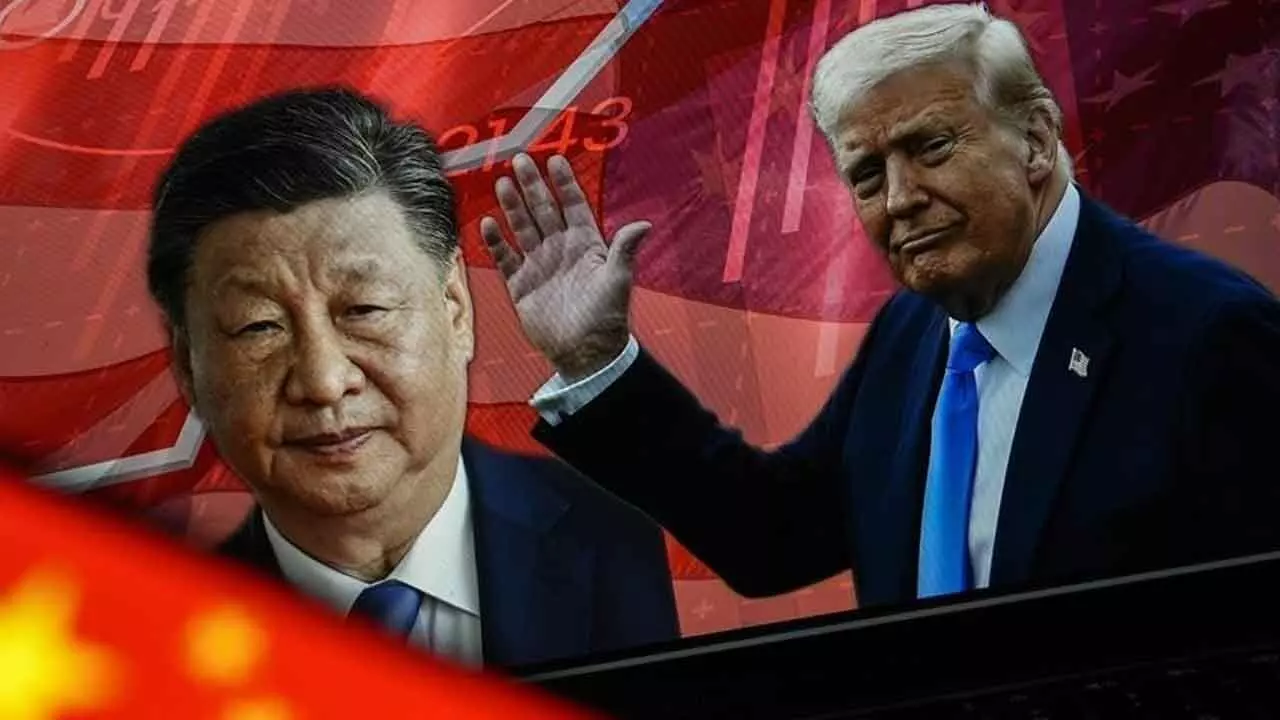
President Trump claims China has violated their recent trade deal, ending his "Mr. Nice Guy" approach after reducing tariffs from 145% to 30% following economic turmoil and civil unrest in China.
President Donald Trump has publicly accused China of breaching their recently negotiated trade agreement, marking an abrupt end to what he described as his charitable approach toward Beijing during a period of economic crisis.
The accusation comes just weeks after Trump agreed to significantly reduce punitive tariffs on Chinese imports from an unprecedented 145 percent to 30 percent, while China reciprocated by lowering its tariffs on American goods from 125 percent to 10 percent. This mutual reduction was part of a temporary 90-day arrangement designed to ease escalating trade tensions between the world's two largest economies.
In a lengthy statement posted on his Truth Social platform, Trump expressed frustration over what he perceives as China's failure to honor their commitments. He described his earlier decision to negotiate the tariff reduction as an act of compassion toward China during what he characterized as severe economic distress.
According to Trump's account, the original 145 percent tariffs had created devastating conditions in China, forcing factory closures and triggering what he termed "civil unrest." He claimed that witnessing China's economic suffering prompted him to quickly negotiate a deal to prevent further deterioration of the situation, despite the leverage his tough tariff policy had provided.
The President emphasized that his intervention had successfully stabilized China's economy and allowed normal business operations to resume, benefiting all parties involved. However, he now alleges that China has completely violated the terms of their agreement, prompting his declaration that his days of being accommodating are over.
This development follows statements from Treasury Secretary Scott Bessent indicating that trade negotiations between the two nations have reached an impasse. Bessent told Fox News that meaningful progress would require direct engagement between Trump and Chinese President Xi Jinping, highlighting the complexity of the ongoing discussions.
The current trade dispute resolution had emerged from intensive negotiations held in Geneva, Switzerland, representing the first high-level diplomatic talks between Washington and Beijing since Trump implemented the severe tariff measures. The temporary agreement was initially seen as a positive step toward defusing the brewing trade conflict.
However, Bessent noted that while the interim deal helped stabilize financial markets, it failed to address fundamental American concerns regarding China's state-controlled economic system. Consequently, the Trump administration has shifted its attention to pursuing trade discussions with other major partners, including Japan, India, and the European Union.
The trade relationship has also faced legal challenges domestically. A US trade court recently ruled that Trump had overstepped his executive authority when imposing most tariffs on Chinese and other imports under emergency powers legislation. However, a federal appeals court quickly reinstated the tariffs within 24 hours, temporarily suspending the lower court's decision while reviewing the government's appeal.
The appeals court has established a timeline for resolving the legal dispute, requiring plaintiffs to submit their responses by June 5 and the administration to respond by June 9. This legal uncertainty adds another layer of complexity to the already strained trade relationship between the two economic superpowers.
The breakdown of the brief diplomatic progress suggests that finding a lasting resolution to US-China trade tensions may prove more challenging than initially anticipated, despite both nations' apparent interest in avoiding a prolonged economic conflict.