Trump Delays Ukraine Aid, Raising Questions on Future Support

Trump Delays Ukraine Aid, Raising Questions on Future Support
Trump’s Ukraine aid pause leaves military and intelligence support uncertain as diplomatic discussions continue over potential conditions for resumption.
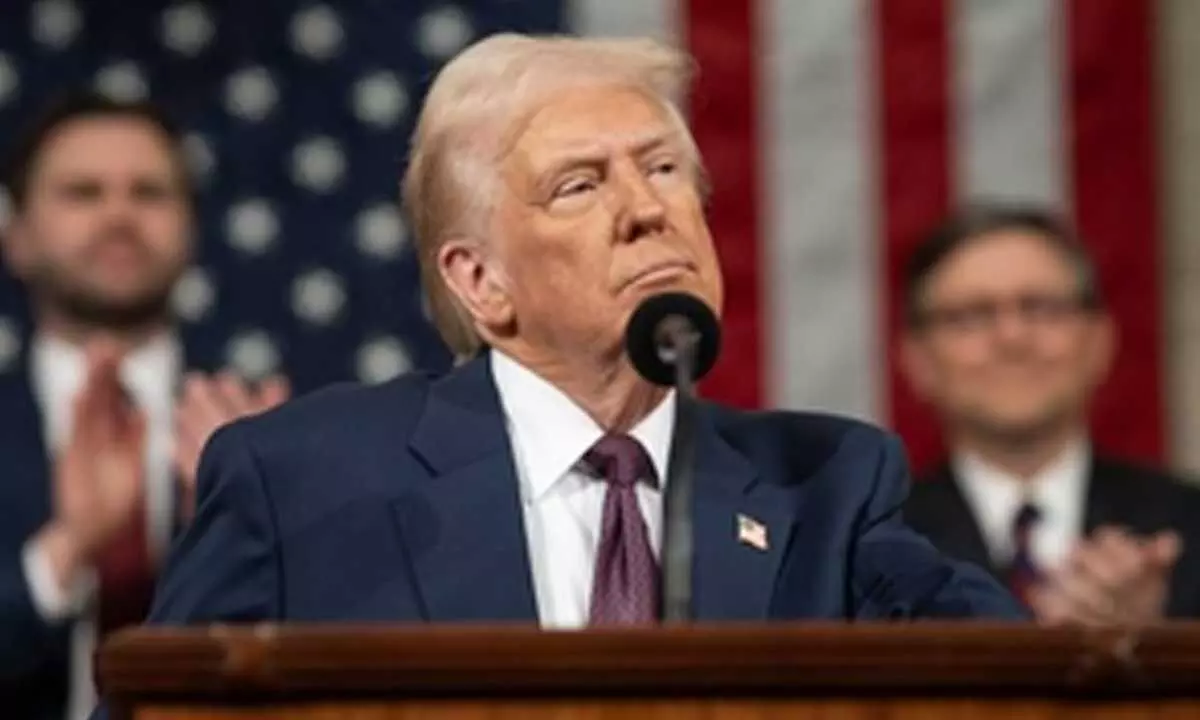
President Donald Trump’s decision to pause U.S. military and intelligence aid to Ukraine has introduced uncertainty over the conditions required for resumption, as officials offer limited clarity on potential shifts in policy.
U.S. envoy to Ukraine Keith Kellogg, speaking at the Council on Foreign Relations, highlighted that the aid suspension remains in transition rather than being permanently revoked. However, he refrained from specifying what would trigger a reversal, stating that the decision rests solely with the president.
Diplomatic insiders indicate there is no indication of an imminent policy shift. Fiona Hill, former National Security Council official, noted the pause has emboldened Russia while simultaneously complicating Ukraine’s defense strategy. Hill also suggested the move might push U.S. allies to reconsider their reliance on American intelligence sharing.
Secretary of State Marco Rubio is scheduled for direct talks with Ukrainian officials in Saudi Arabia, marking the first high-level meeting since Trump’s confrontation with Ukrainian President Volodymyr Zelenskyy led to the freeze in assistance. Discussions are expected to cover military support, economic partnerships, and potential steps toward conflict resolution.
A Ukrainian delegation, excluding Zelenskyy, will participate in the discussions. Andriy Yermak, a key aide, alongside Foreign Minister Andriy Sybiha and Defense Minister Rustem Umerov, will represent Ukraine in negotiations. A senior State Department official described the planned engagement as a sign of willingness to move forward.
Kellogg disclosed that the Trump administration is awaiting Ukraine’s proposed terms for ending the conflict, noting that a Russian position has already been received. Meanwhile, State Department spokesperson Tammy Bruce acknowledged that diplomatic conversations have included expectations for Ukrainian concessions, though it remains unclear if Russia has reciprocated.
Trump’s stance on sanctions against Russia remains ambiguous. While he has suggested measures targeting Russian energy and banking, his Oval Office remarks implied that Moscow’s intensified actions against Ukraine during the aid pause were anticipated.
Hill, addressing the issue on CBS News, expressed skepticism regarding Trump’s commitment to sanctions enforcement, arguing that his statements in private align more with his public acknowledgment of Ukraine’s precarious position in the war.
Intelligence and military assistance adjustments reflect the policy shift. CBS News confirmed the U.S. has halted lethal intelligence sharing with Ukraine, including withholding targeting data for weapons such as HIMARS. The National Geospatial-Intelligence Agency confirmed the suspension of satellite imagery access for Ukrainian forces, citing the administration’s directive.
The Trump administration has also blocked the transfer of $3.85 billion in designated military equipment. U.S. European Command confirmed that pre-approved shipments authorized before January 20 have been put on hold.
While some intelligence-sharing mechanisms remain in place to help Ukraine defend against Russian attacks, lawmakers are set to receive classified briefings on the matter. Rep. Brian Fitzpatrick, a member of the House Intelligence Committee, indicated Congress would review specifics on the intelligence cutoff in the coming days.