Diplomatic Vacuum: Global Powers' Hands-Off Approach In India-Pakistan Conflict

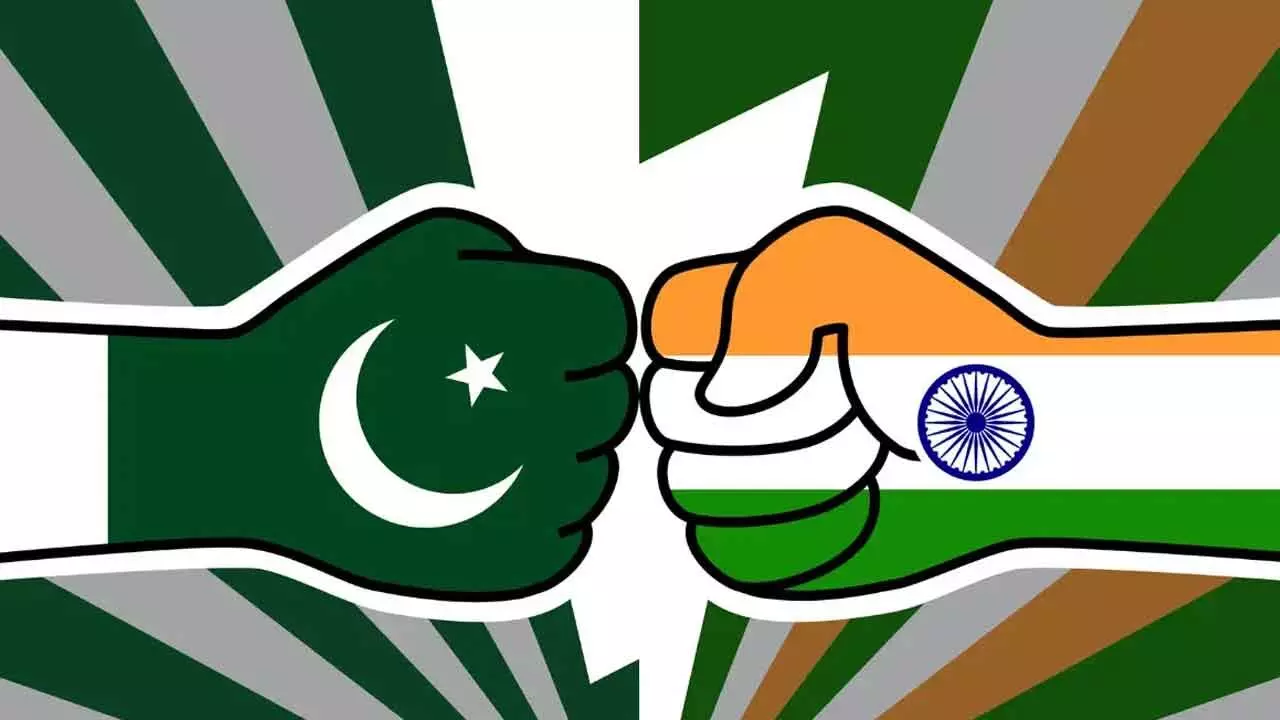
Geopolitical expert Fareed Zakaria analyzes the concerning absence of international mediation in the India-Pakistan conflict, highlighting Trump's isolationist stance and China's untrustworthiness as potential intermediaries in this nuclear standoff.
As tensions escalate between nuclear-armed India and Pakistan, the international community's muted response marks a stark departure from the active diplomatic interventions seen during recent conflicts in Gaza and Ukraine. This troubling shift has raised concerns about conflict containment in the absence of credible mediation.
Renowned geopolitical analyst Fareed Zakaria, in an exclusive interview with India Today, emphasized that the United States under President Donald Trump has effectively removed itself as a potential intermediary—a role it traditionally fulfilled during previous India-Pakistan confrontations.
"We have lost the United States as a useful intermediary," Zakaria stated. "You saw Marco Rubio, the Secretary of State, lean into that role initially. But then, just hours later, Vice President JD Vance essentially washes his hands of the whole situation, declaring the US doesn't want to get involved."
This conflicting messaging reveals deep divisions within the American administration. While Secretary Rubio has urged maximum restraint during conversations with both nations, Vice President Vance explicitly stated that America wouldn't engage in a conflict that's "fundamentally none of our business." President Trump, who previously characterized India's Operation Sindoor against Pakistani terror camps as a "shame," has avoided direct engagement with leadership on either side.
Zakaria noted this reflects the tension between America's traditional role as an engaged superpower and the Republican Party's growing isolationist wing. He added that Pakistan increasingly views the US as "entirely pro-Indian," further complicating Washington's potential as a trusted mediator—a stark contrast to 2016 and 2019, when American diplomacy helped de-escalate tensions following the Uri and Pulwama attacks.
Alternative international mediators appear equally problematic. Zakaria dismissed China as untrustworthy despite its influence with Pakistan, noted India's historical reluctance toward United Nations involvement, and pointed to the European Union's limited geopolitical-military presence as factors leaving India with few external support options.
"This is the post-American world that I am worried about," Zakaria warned. "The dangers of conflict spiraling out of control are real. India is trying to signal a more measured approach, and you have to hope that at some point Pakistan realizes this is not a conflict they can win."
Beijing's response has been notably cautious. Despite calling Pakistan its "all-weather friend," China has refrained from offering strong support, merely expressing willingness to play a "constructive role" while characterizing both nations as "neighbors."
Zakaria concluded that this "fortress America" mentality—prioritizing tariffs and trade over international stability—creates dangerous conditions for regional conflicts to intensify without the diplomatic guardrails previously provided by American moral authority and diplomatic engagement.