DMK Minister Defends Tamil Nadu's Push For Greater State Autonomy

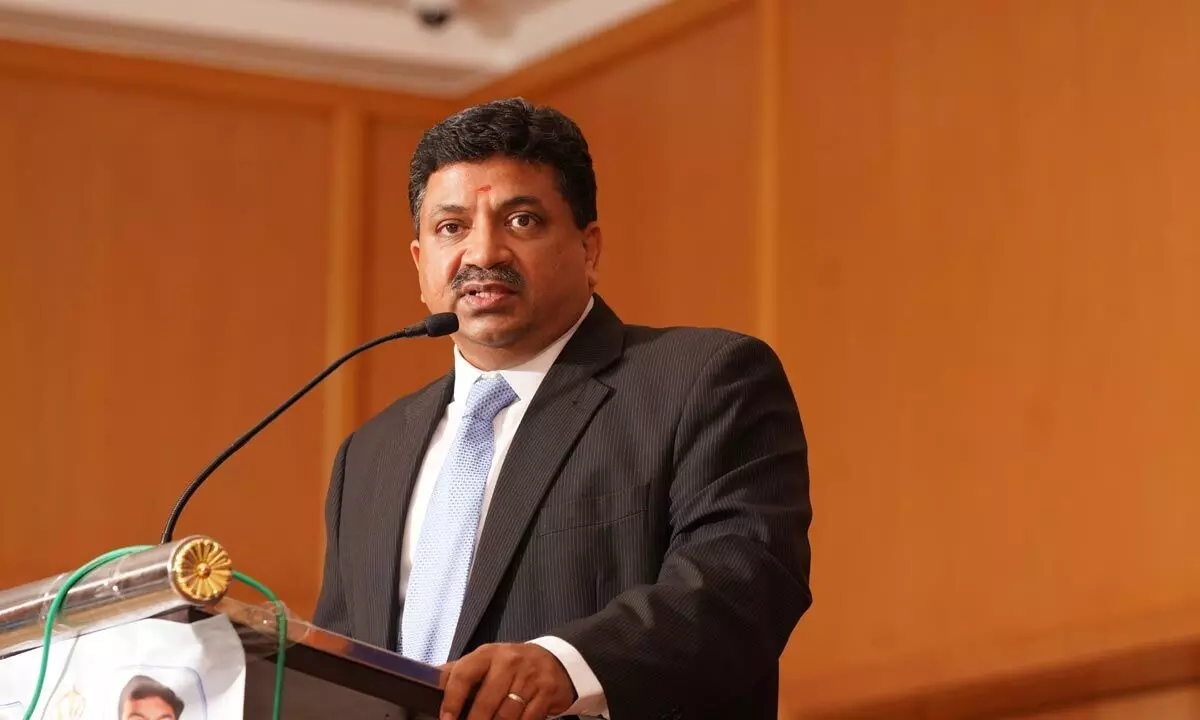
Dr Palanivel Thiaga Rajan
Tamil Nadu Finance Minister Palanivel Thiaga Rajan calls CM Stalin's resolution for state autonomy "visionary," rejecting secessionist claims and highlighting historical precedents for federal balance in India.
DMK Minister Palanivel Thiaga Rajan (PTR) has strongly defended Tamil Nadu's move to establish a High-Level Committee exploring greater state autonomy, describing it as a "visionary step" while dismissing accusations of secessionism as "idiotic."
Addressing the resolution introduced by Chief Minister MK Stalin under Rule 110 in the Tamil Nadu Assembly, PTR argued that this initiative was long overdue, stating, "We have never witnessed such authoritarian centralisation since Independence. The Government of India today is more politically driven than administratively focused. In every way, it intrudes into states' rights."
The Finance Minister highlighted historical precedents for addressing federal balance, referencing several committees and commissions established since the 1960s, including the Rajamannar Committee, Sarkaria Commission, Constitution Review Commission under Vajpayee, and the Poonchi Commission. He noted that while these bodies made valuable recommendations, most were never implemented.
Clarifying the DMK's position, PTR emphasized they seek empowerment for all states to properly govern subjects under the State and Concurrent Lists as outlined in the Constitution. He pointed to education as a prime example of federal overreach, originally a State subject now moved to the Concurrent List, and advocated for the Rajamannar Committee's recommendation to return at least ten subjects to State control.
PTR also addressed criticism about comparing the current situation to the Emergency, arguing that today's systematic undermining of state powers represents "unprecedented, extra-constitutional overreach." He noted the irony in BJP's accusations, recalling that Prime Minister Modi, as Gujarat's Chief Minister, had strongly advocated for state autonomy.
The minister concluded by rejecting the controversy over Stalin's use of the term "review," stating that previous committees, including those established during BJP governance, conducted constitutional reviews without facing similar criticism.