Election Commission Discovers Significant Foreign National Presence During Bihar Voter Registration Review

Election Commission finds numerous Bangladesh, Nepal, and Myanmar nationals in Bihar voter lists during special revision process; names to be removed after verification before September 30 deadline.
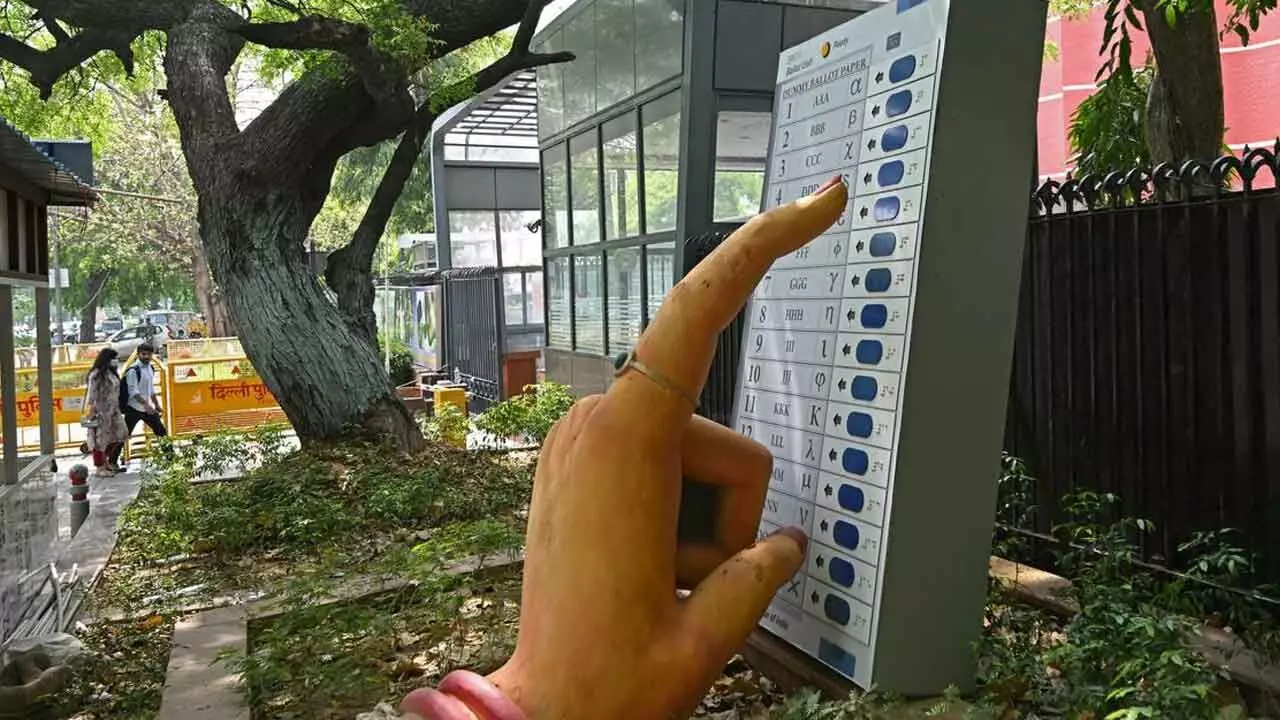
The Election Commission of India has uncovered a substantial number of foreign nationals from Bangladesh, Nepal, and Myanmar residing in Bihar during the ongoing Special Intensive Revision of electoral rolls. Officials have confirmed that these individuals' names will be excluded from the final voter list scheduled for publication on September 30, 2025, following proper verification procedures.
The comprehensive electoral roll cleansing initiative, known as Special Intensive Revision (SIR), commenced on June 25 following the Election Commission's directive issued on June 24. This systematic process aims to purify electoral rolls by removing ineligible names and ensuring only Indian citizens retain voting rights. The revision campaign is set to continue until July 26.
More than 77,000 Booth Level Officers, supported by government personnel and political party representatives, are currently engaged in verifying credentials of over 7.8 crore registered voters throughout Bihar. The verification process requires both existing and prospective voters to present documentation establishing their Indian citizenship status.
The Election Commission initially mandated all voters to submit comprehensive identity documents, including citizenship verification papers, as part of this rigorous screening process. This requirement ensures thorough authentication of voter eligibility across the state.
The Supreme Court recently addressed multiple petitions challenging the Election Commission's Special Intensive Revision process in Bihar ahead of the upcoming assembly elections. Opposition leaders, including Trinamool Congress's Mahua Moitra, RJD's Manoj Kumar Jha, Congress's KC Venugopal, and NCP-SP's Supriya Sule, were among the petitioners questioning the revision methodology.
While permitting the Election Commission to proceed with the SIR, the Supreme Court instructed the poll body to consider widely available documents such as Aadhaar cards, voter identification cards, and ration cards during the verification process. These documents supplement the 11 official documents originally listed by the central election authority.
The Election Commission clarified that while these commonly held documents are incorporated into the ongoing Special Intensive Revision documentation process, they do not independently establish voting eligibility. Additional verification measures remain necessary to confirm citizenship status.
Following Bihar's completion, the Election Commission plans to implement identical processes in West Bengal, Assam, Kerala, Tamil Nadu, and Puducherry. Elections in these five states are anticipated to be announced by March or April, as their Legislative Assembly terms conclude in May of the following year.
The timing of this comprehensive revision proves particularly significant given Bihar's upcoming assembly elections scheduled for later this year. The systematic approach demonstrates the Election Commission's commitment to maintaining electoral integrity while ensuring only eligible Indian citizens participate in the democratic process.
This initiative represents part of broader efforts to address concerns regarding unauthorized immigration and its potential impact on electoral systems. The discovery of foreign nationals in voter rolls underscores the importance of regular verification processes to maintain accurate electoral databases.
The comprehensive nature of this revision, involving tens of thousands of officials and millions of voter records, reflects the scale of verification required to ensure electoral roll accuracy. The process balances thoroughness with efficiency to meet the September 30 deadline for final voter list publication.