




- Bihar Congress plans phased agitation over voter rights until November, demands CEC Gyanesh Kumar’s resignation
- Govt kicks off e-auction process for 5-acre prime industrial plot in Delhi
- NDA will allot 34 pc tickets to Backward Classes in local body polls, says Andhra Pradesh CM
- AP Cabinet to meet tomorrow , to discuss on BC reservations
- Punjab Chief Secretary offers unconditional apology to High Court in DA case
- Bandi Sanjay Begins 11-Day Bhavani Deeksha in Karimnagar
- HC blow to Pinarayi Vijayan, CPI rift cloud LDF’s Assembly plans
- Judges have right sentiment: NDA leaders on open letter of 42 former judges on INDIA Bloc protests
SIR turns DARD for Aam Aadmi
In Short
The protests against the SIR, the demand for Chief Election Commissioner Gyanesh Kumar’s resignation, and the race among political parties and activist groups

Share :
SIR turns DARD for Aam Aadmi
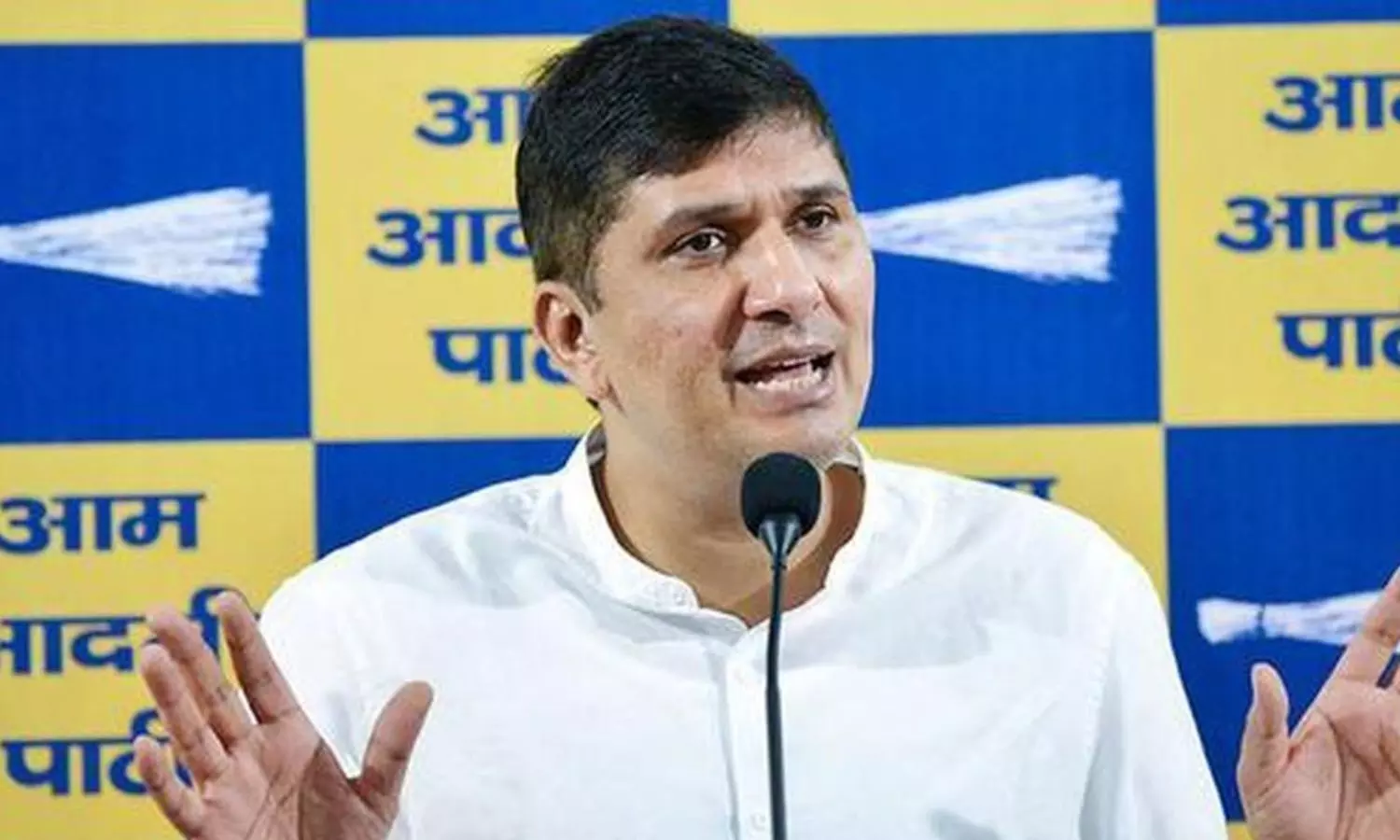
The protests against the SIR, the demand for Chief Election Commissioner Gyanesh Kumar’s resignation, and the race among political parties and activist groups—including the Cockroach Janata Party (CJP), alleged to be an AAP front—to outdo one another have brought Delhi to a virtual standstill.
Several trains have been cancelled, Metro services rescheduled, and most stations are expected to remain closed. Places such as Connaught Place will remain closed over the weekend. Shops have been asked to pull down their shutters, and roads leading to Jantar Mantar have been heavily barricaded. Around 26,000 police personnel have been deployed. Reports also suggest that internet services have been suspended.
These measures have drawn criticism from opposition parties, which allege that the government is scared and has resorted to such restrictions out of fear. They approached the Supreme Court, challenging the denial of permission to hold a protest at Jantar Mantar. The apex court, while observing that it could not direct the authorities to grant permission, given the need to maintain law and order in light of past experiences, asked the government not to cancel trains but to regulate their services.
While opposition parties are trying to portray the government as being afraid of protests, the BJP has recalled what former Prime Minister Indira Gandhi had said about street protests, describing them as nothing but anarchy that could not be allowed. She went even further by imposing the Emergency, suspending constitutional and fundamental rights, and putting thousands of people behind bars without trial.
The BJP also recalls the earlier CJP protest, which allegedly turned violent after nearly 3,000 anti-social elements infiltrated the gathering and unleashed violence. More than 100 police personnel and some genuine protesters were reportedly injured. The CJP was also accused of violating the undertaking it had given to the police while seeking permission. Consequently, the police decided not only to deny permission for the latest protest, which had been sought just two days before the scheduled date instead of the mandated 10-day notice period, but also informed the Supreme Court of their decision. The court upheld the authorities' argument.
What the opposition conveniently forgets is that governments in states ruled by its parties have also taken similar measures whenever protests were held, justifying them on the grounds of maintaining law and order. Police in those states have used water cannons, tear gas and lathi charges against protesters. Pointing this out, BJP spokespersons have argued that while protests are a democratic right, anarchy cannot be permitted. During the previous Jantar Mantar protest, some participants openly raised slogans suggesting that India would become another Nepal or Bangladesh. No government, the BJP argues, can allow protests that cross the line into illegality and violence.
The political slugfest and competitive posturing are likely to continue, with more street protests and political drama expected in the days ahead. The fact, however, remains that opposition dharnas and demonstrations are increasingly becoming a headache for ordinary citizens, who stand to lose their weekends and face disruptions to their shopping plans just ahead of the upcoming festival season.
NEET Needs Legislative Mechanism to Fix Accountability—Parliamentary Panel.
SIR turns DARD for Aam Aadmi
Bihar Congress plans phased agitation over voter rights until November, demands CEC Gyanesh Kumar’s resignation
Vijay Hails TVK’s Bypoll Wins, Stalin Calls Results a ‘Temporary Victory for Betrayal’
India-Liberia led group aims to bring safety of seafarers to centre of global discourse: MEA
Prez to Meet Opposition Delegaton at 8 PM
Supreme Court gives nod for local body elections in AP
Delhi Turns into a Fortress Amid Hectic Political Activity Against CEC
Supreme Court dismisses AP’s Petition on 34 % BC reservations
Bypoll Results 2026: BJP Leads In Bengal And Assam, Vijay’s TVK Faces Test In Tamil Nadu


