Tactical nukes (TNW)

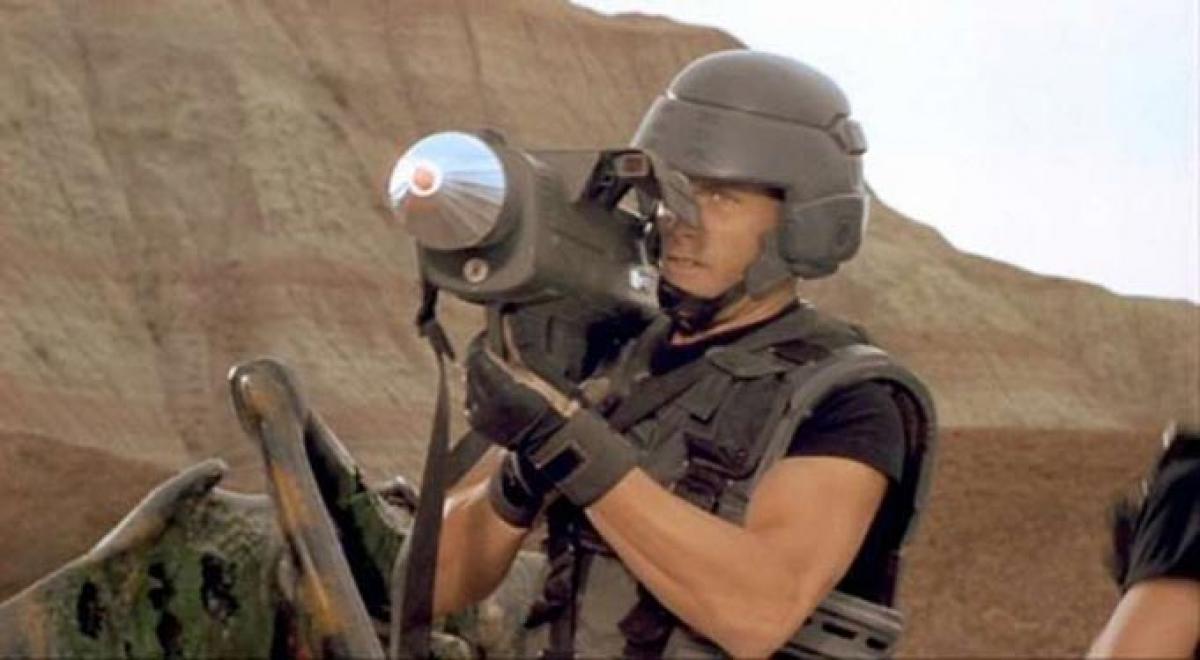
Tactical nukes (TNW). Pakistan is resisting pressure being mounted by the US to curb use of small tactical nuclear weapons.
Pakistan is resisting pressure being mounted by the US to curb use of small tactical nuclear weapons. Pakistan insists smaller weapons would deter a sudden attack by its bigger neighbour India, which is also a nuclear power. India does not currently operate or plan to develop tactical nuclear weapons.
 A tactical nuclear weapon (or TNW) also known as non-strategic nuclear weapon refers to a nuclear weapon which is designed to be used on a battlefield in military situations. This is opposed to strategic nuclear weapons which are designed to be used against enemy cities, factories, and other larger-area targets to damage the enemy's ability to wage war.
 Tactical nuclear weapons were a large part of the peak nuclear weapons stockpile levels during the Cold War. Tactical weapons include not only gravity bombs and short-range missiles, but also artillery shells, land mines, depth charges, and torpedoesfor anti-submarine warfare. Also in this category are nuclear armed ground-based or shipborne surface-to-air missiles (SAMs) and air-to-air missiles.
Small, two-man portable, or truck-portable, tactical weapons (sometimes misleadingly referred to as suitcase nukes), such as the Special Atomic Demolition Munition and the Davy Crockett recoilless rifle(recoilless smoothbore gun), have been developed, although the difficulty of combining sufficient yield with portability could limit their military utility. In wartime, such explosives could be used for demolishing "choke-points" to enemy offensives, such as at tunnels, narrow mountain passes, and long viaducts. By using tactical nuclear weapons there is a high risk of escalating the conflict until it reaches a tipping point which provokes the use of strategic nuclear weapons such as ICBMs.
Additionally, the tactical nuclear weapons most likely to be used first (i.e., the smallest, low-yield weapons such as nuclear artillery dating from the 1960s) have usually been under less stringent political control at times of military combat crises than strategic weapons.If a relatively junior officer in control of a small tactical nuclear weapon (e.g., the M29 Davy Crockett) were in imminent danger of being overwhelmed by enemy forces, he could request permission to fire it and due to decentralised control of warhead authorization, his request might quickly be granted during a crisis. For these reasons, stockpiles of tactical nuclear warheads in most countries' arsenals have been dramatically reduced, and the smallest types have been completely eliminated.
Woman injured in stabbing attack in Tokyo, suspect at large
Bengal cop booked for murder over mysterious death of woman home guard, SIT to probe case
Staffer recalls horror of 7-kg gold robbery by armed gang in Karnataka’s Hunsur
25-Year-Old Airline Cabin Crew Member Dies At Gurugram Party; Police Begin Investigation