Nvidia Introduces DLSS 5 to Bring Film-Like Realism to Gaming

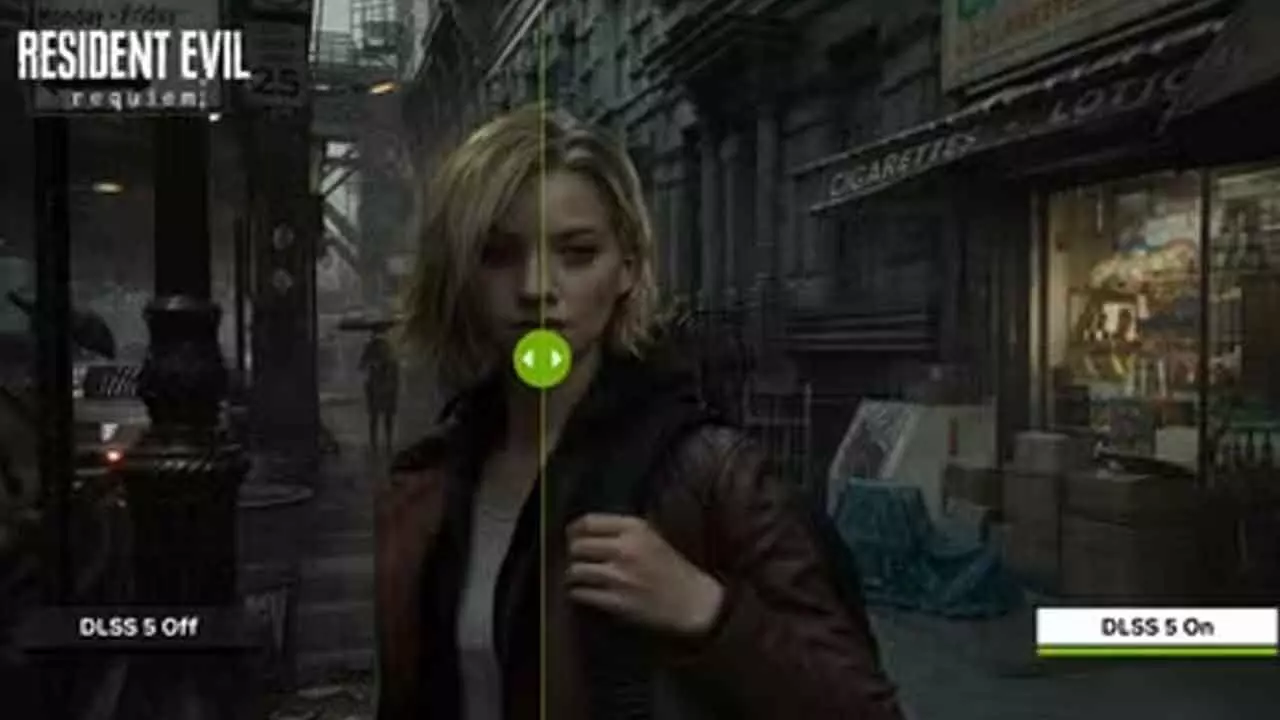
Nvidia’s DLSS 5 uses AI-driven neural rendering to deliver lifelike lighting, textures, and materials in real time gaming environments.
Nvidia has unveiled DLSS 5, the latest evolution of its AI-powered graphics technology, aiming to significantly enhance realism in video games. The new system introduces a neural rendering model capable of generating more lifelike lighting, textures, and material effects dynamically while a game is running. With this advancement, Nvidia is pushing gaming visuals closer to the quality typically associated with film production.
DLSS, short for Deep Learning Super Sampling, was first introduced in 2018 as a way to improve gaming performance by using artificial intelligence to upscale images and boost frame rates. Over time, the technology evolved to include features like frame generation. However, DLSS 5 marks a shift in focus—from performance gains alone to delivering richer, more immersive visual experiences.
At its core, DLSS 5 works by analysing colour data and motion information from each frame in real time. Using this data, the AI model predicts and generates additional visual details such as reflections, lighting effects, and surface textures. In simpler terms, the system interprets what is happening in a scene and enhances it on the fly, without compromising gameplay smoothness.
According to Nvidia, this process can run at resolutions up to 4K while maintaining fluid performance. Demonstrations shared by the company show noticeable improvements in character realism, including finer facial details like wrinkles and subtle skin textures. Environmental elements also benefit, with more natural lighting effects and realistic material responses.
The AI model is trained to recognise a wide range of objects and materials within a scene, including skin, hair, and clothing. It also understands different lighting conditions, such as backlighting or overcast environments. This allows DLSS 5 to simulate how light interacts with surfaces—for instance, the way light reflects off fabric or diffuses across human skin.
For developers, DLSS 5 offers flexible controls to fine-tune how these AI enhancements are applied. Game creators can adjust aspects like intensity, colour balance, and specific areas of effect, ensuring the visuals align with their artistic vision rather than overpower it.
Another advantage is its compatibility with existing tools. DLSS 5 integrates with Nvidia’s Streamline framework, which is already used for earlier DLSS versions and technologies like Reflex. This means developers who have adopted previous Nvidia solutions can incorporate DLSS 5 more easily into their workflows.
Industry support for the technology appears strong, with major studios such as Bethesda, CAPCOM, NetEase, NCSOFT, Tencent, Ubisoft, and Warner Bros. Games expected to adopt it. Nvidia has also confirmed that DLSS 5 will be featured in both upcoming and existing titles, including Starfield, Hogwarts Legacy, Assassin’s Creed Shadows, Phantom Blade Zero, Delta Force, Naraka: Bladepoint, and The Elder Scrolls IV: Oblivion Remastered.
The company plans to roll out DLSS 5 in the second half of the year. Early demonstrations are currently being showcased at its GTC conference, offering a glimpse into what could be the next major leap in gaming graphics technology.