Apple Marks iPhone 5 and 8GB iPhone 4 as Obsolete, Ends Official Hardware Support

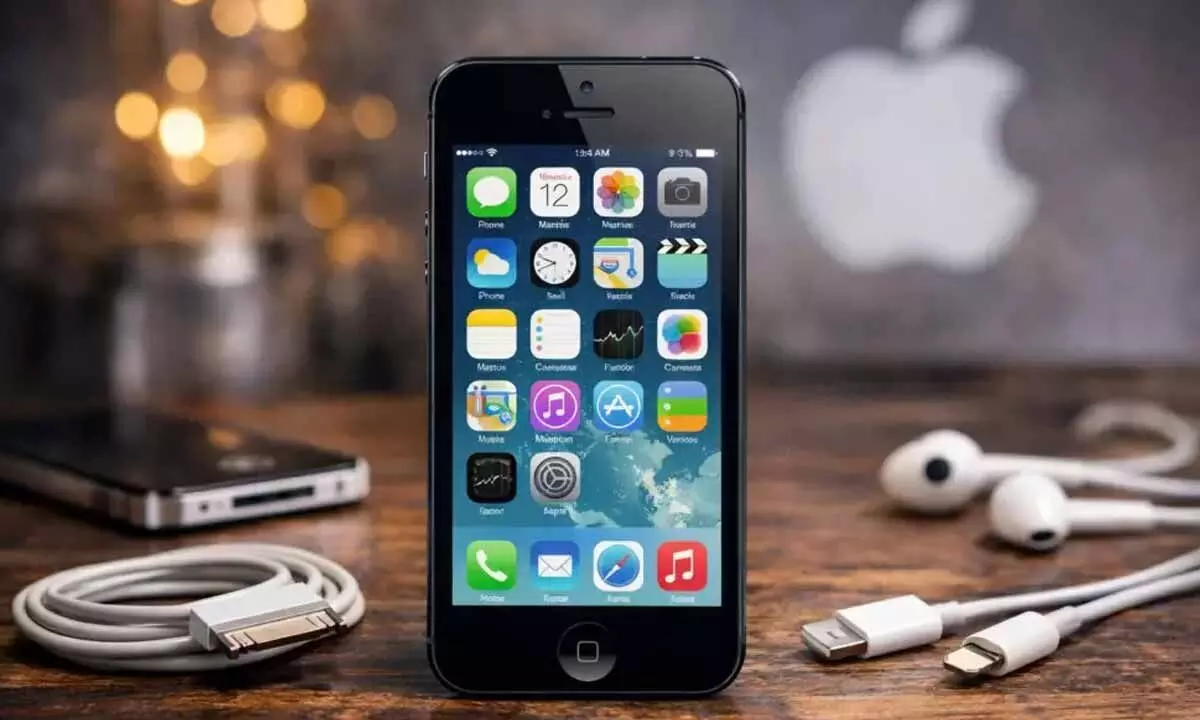
Apple moves two classic iPhones to obsolete status, ending hardware repairs while signaling continued evolution of its product lifecycle.
Apple has expanded its list of obsolete products, adding two of its older smartphones — the iPhone 5 and the 8GB variant of the iPhone 4. Devices in this category are no longer eligible for hardware servicing or replacement parts through Apple’s official repair network.
The iPhone 5 debuted in 2012 and was discontinued a year later after Apple introduced the iPhone 5s and iPhone 5c. In 2018, it entered Apple’s vintage products list, a stage where repairs remain possible but depend heavily on spare-parts availability. Its shift to the obsolete list now means the company will no longer provide service support or hardware components for the device.
At launch, the iPhone 5 represented a noticeable design shift for Apple. It featured a taller 4-inch display, offered LTE connectivity for faster mobile data, and introduced the Lightning port — a charging and data connector that replaced Apple’s long-used 30-pin dock connector.
Apple has also declared the 8GB iPhone 4 obsolete. This storage variant of the iPhone 4 was introduced in 2011 and remained on sale until 2013. With its new classification, the device officially exits Apple’s hardware service ecosystem.
Devices added earlier to Apple’s vintage list
The latest update follows a broader revision Apple made earlier in 2026 to its vintage and obsolete product records. In January, the company moved several well-known devices into the vintage category, including:
· iPhone 11 Pro
· Apple Watch Series 5
· MacBook Air 13-inch (2020, Intel)
· iPad Air (3rd generation, cellular)
· iPhone 8 Plus 128GB
Among these, the iPhone 11 Pro continues to support the latest iOS releases and remains one of the oldest Apple smartphones still compatible with iOS 26.
What vintage and obsolete status means
Apple designates a product as vintage once five years have passed since it was last sold through official retail channels. During this phase, Apple Stores and authorised service providers may still perform repairs, but only if replacement parts are available.
Once a device crosses the seven-year mark from its final retail sale date, it is labeled obsolete. At that stage, Apple generally discontinues all hardware servicing and stops supplying spare parts.
Importantly, this classification does not affect how a device functions on a day-to-day basis. Software usability and existing features remain intact. However, the status signals that users should not expect official repair support if the hardware fails.
Apple determines whether a device is vintage or obsolete based on when it was last distributed for sale, rather than its original launch date. In some cases, the company may extend timelines depending on component availability and other operational considerations.
With this update, Apple continues its structured lifecycle approach — gradually retiring legacy devices while focusing service resources on newer products.