Gmail May Finally Let Users Change Their Email IDs, India Likely First to See Update

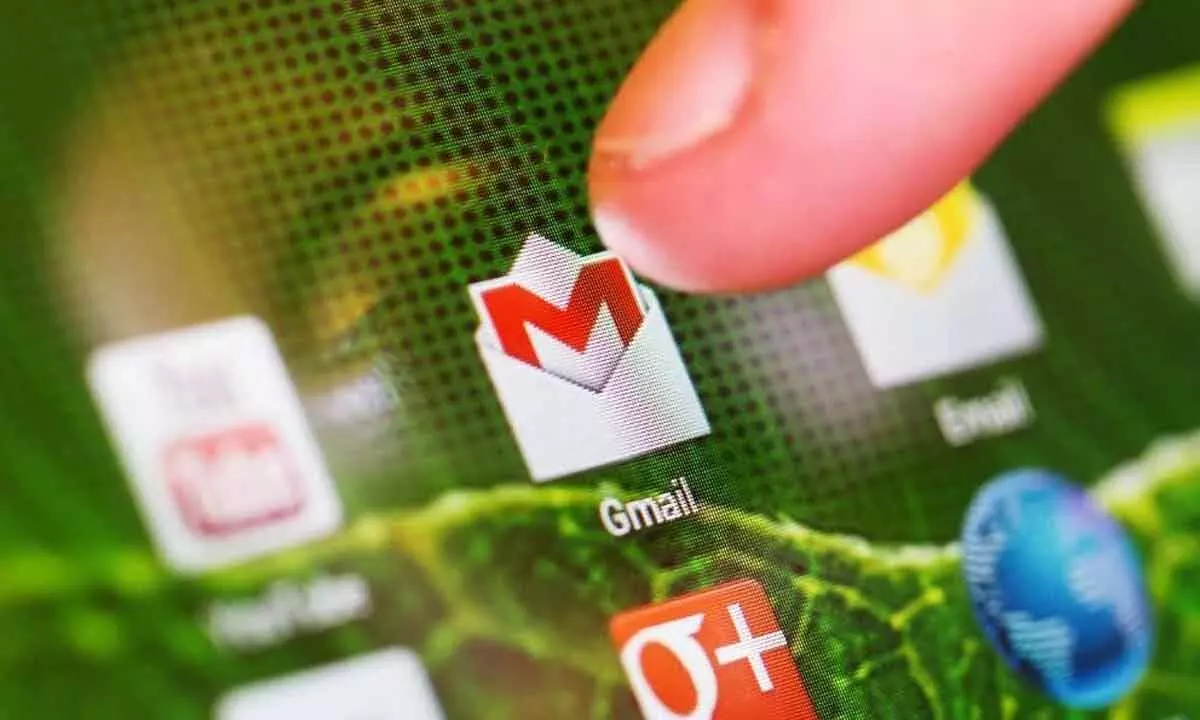
Google is testing a major Gmail update that could finally allow users, starting in India, to change their @gmail.com addresses.
Gmail users may soon witness one of the most significant changes in the service’s history. Google appears to be preparing a feature that would allow users to change their actual “@gmail.com” email address—something that has long been considered impossible. While Google accounts created with non-Gmail login emails have always had flexibility, those who signed up with a Gmail address were typically locked into that choice forever. That rule may now be on the verge of changing, and early signals suggest India could be among the first countries to see this update.
Hints about the feature have surfaced through a Google support page that outlines a new option currently described as gradually rolling out. According to the documentation, Google is working on a way for users to change a Gmail address ending in “@gmail.com.” This marks a clear departure from Google’s long-standing stance that Gmail addresses, once created, cannot be altered. What has drawn particular attention is that this support page is currently visible only in Hindi. This has led to widespread speculation that Indian users may either be part of an early rollout or among the first audiences for whom the feature is being officially documented.
One of the most reassuring aspects of this update is how Google plans to manage existing accounts and data. Changing a Gmail address will not mean losing the old one. Instead, the original address will be converted into an alias. Emails sent to both the old and new Gmail addresses will continue to arrive in the same inbox. Google has confirmed that all existing data—including emails, photos, messages, and other account-related information—will remain completely intact. In practical terms, users keep the same Google account, with only the visible email address being updated.
Google explains the importance of the account email by stating, “The email address associated with your Google Account is the address you use to sign in to Google services. This email address helps you and others identify your account.” The company further confirms that users will be able to change a Gmail address ending in “@gmail.com” to a new Gmail address, a capability that did not exist earlier.
However, the feature will come with certain limitations. Once a user changes their Gmail address, they will not be able to modify or delete the new address for 12 months. While the old Gmail address may eventually be reused, users will not be allowed to create a brand-new Gmail account using that old address during this one-year period. Google is also placing a cap on how often this change can be made. Each account will be allowed to change its Gmail address up to three times, meaning a maximum of four Gmail addresses can be associated with a single account over its lifetime.
Google also notes that the old email address may continue to appear in some places temporarily. Calendar events created before the change, for instance, might still display the original Gmail ID. Older records across Google services may also take time to update. Users will still be able to send emails from the old address, and importantly, that address will remain reserved exclusively for them and cannot be claimed by someone else.
The support page was first spotted by members of the Google Pixel Hub Telegram group, and its early appearance in Hindi suggests it may have gone live ahead of schedule. While the feature is not yet active, the depth of detail strongly indicates that a public rollout may not be far away.
If launched, users will be able to initiate the change through the “My Account” section in Google settings. For millions who created Gmail IDs years ago—often without realising how permanent and important they would become—this update could be a welcome relief. As one popular reaction puts it, “Huge if true. Many of us have had Gmail since the beginning when we didn't know it would matter this much.”