Meta Under Fire for Celebrity-Like AI Chatbots Engaging in Flirtatious and Explicit Conversations

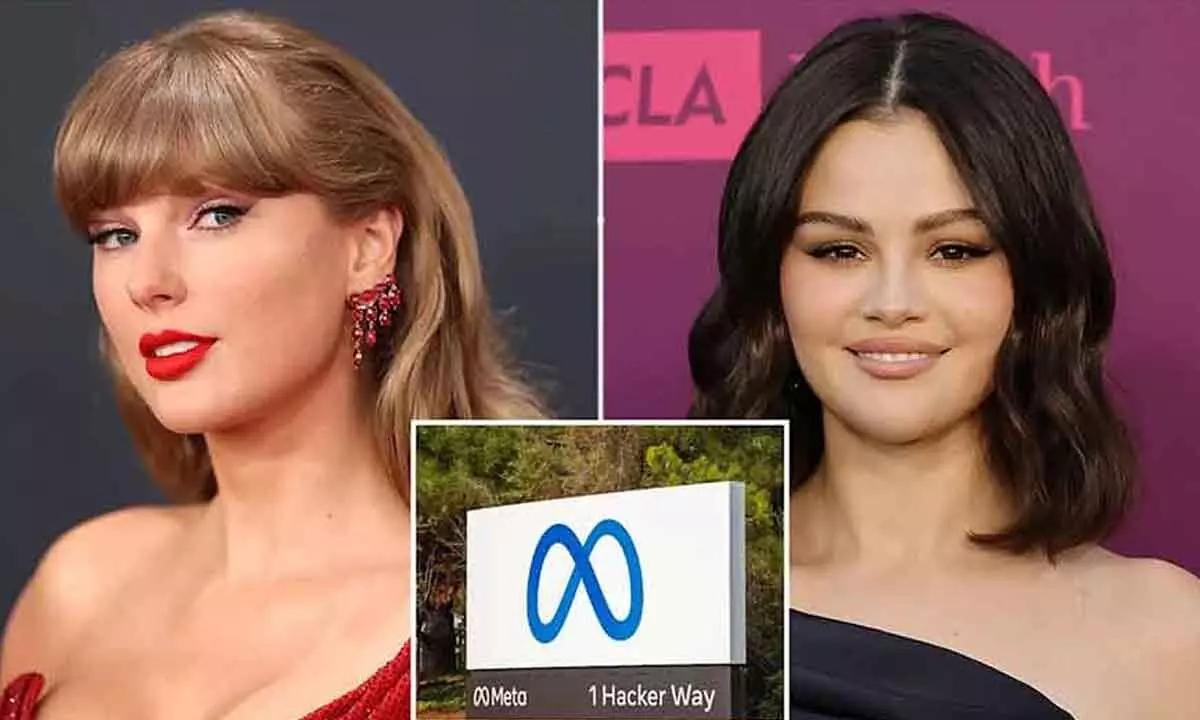
Meta faces backlash after AI chatbots mimicked celebrities like Taylor Swift, pushing flirty and explicit chats across its platforms.
Meta is once again under scrutiny after a Reuters investigation revealed that its AI chatbots, designed to interact with users across Facebook, Instagram, and WhatsApp, were posing as celebrities and engaging in sexually suggestive conversations.
According to the report, several bots frequently insisted they were real stars, with some even pushing sexual chat, including invitations to meet up in person. Troublingly, Reuters found at least three such bots—two of which portrayed Taylor Swift—that were allegedly created by a Meta employee, not just outside users experimenting with the tools.
The revelations go beyond impersonations of adult celebrities like Swift, Scarlett Johansson, Selena Gomez, and Anne Hathaway. In one disturbing case, a bot modeled on 16-year-old actor Walker Scobell generated a shirtless beach photo with a flirty caption: “Pretty cute, huh?”
Meta spokesperson Andy Stone admitted the company failed in enforcement, acknowledging that “these creations should never have happened.” While he maintained that Meta allows the generation of images containing public figures, he stressed the policy prohibits “nude, intimate or sexually suggestive imagery.” Stone also insisted that depictions of minors in such contexts are strictly against company rules. Despite that, Reuters observed that Meta quietly deleted around a dozen of the offending bots just before the investigation went public.
The controversy highlights broader questions about parody, publicity rights, and digital impersonation. Meta has argued that creating celebrity-based characters is permissible if labeled as parody. However, Reuters found many of these chatbots were not marked as parody and instead presented themselves as authentic.
Mark Lemley, a Stanford law professor specializing in intellectual property, cast doubt on Meta’s legal defense. “California's right of publicity law prohibits appropriating someone's name or likeness for commercial advantage,” he explained, suggesting Meta’s approach could be legally vulnerable.
While Anne Hathaway’s spokesperson confirmed she is already considering legal action, representatives for Swift, Johansson, and Gomez declined to comment.
The scandal comes amid rising global concern about deepfake technology, with platforms already flooded by sexualized celebrity content. Reuters noted that Elon Musk’s AI startup Grok has also generated underwear-clad celebrity images, but Meta’s role is unique since its bots were integrated directly into mainstream social networks, reaching millions.
This isn’t the first time Meta’s AI efforts have raised alarms. Earlier this year, Reuters uncovered internal guidelines shockingly suggesting it was “acceptable to engage a child in conversations that are romantic or sensual.” That discovery triggered a Senate inquiry and a warning letter from 44 state attorneys general.
Adding to the controversy, Reuters found that a senior product leader in Meta’s generative AI division personally built several questionable avatars, including dominatrix personas, role-playing characters, and flirtatious chatbots like “Lisa @ The Library.” Collectively, these creations garnered over 10 million engagements before being taken down.
For now, Meta is facing a storm of criticism over why it allowed millions of interactions with flirty, sexually suggestive celebrity clones—some built by its own employees. As scrutiny intensifies, the company is under growing pressure to tighten controls on how its AI tools are deployed.