Sundar Pichai Warns US Antitrust Remedies Could Destroy Google Search

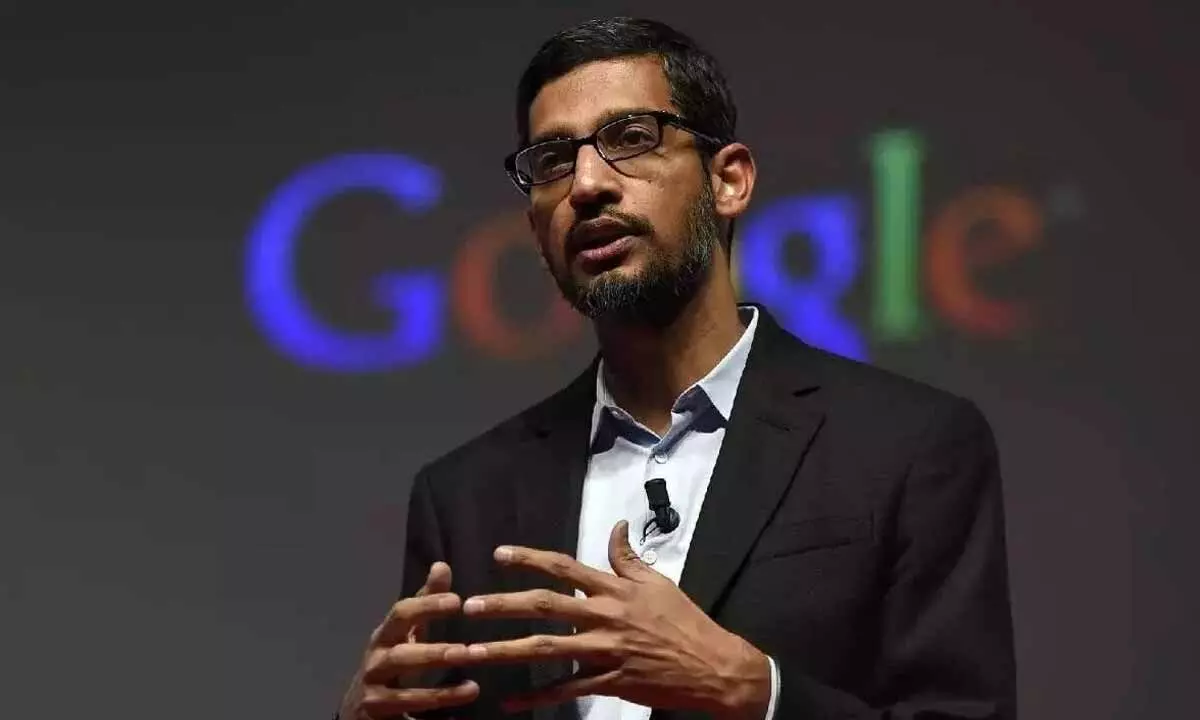
Sundar Pichai warns that breaking up Google or forcing data sharing may crippleinnovation and end Google Search as we know it.
Sundar Pichai, CEO of Google, has raised serious concerns that the U.S. government'songoing antitrust efforts could have far-reaching consequences — including theend of Google Search itself. During a recent court appearance in the remediesphase of the Department of Justice's (DoJ) search monopoly case, Pichaidefended the tech giant against proposals that could result in a majorrestructuring of the company.
Among theproposed remedies is the possible breakup of Google’s core products, includingthe divestiture of its Chrome browser. The government also wants Google toshare user data and search results with its rivals to create a more competitivemarket. In court, Pichai warned that such interventions could severely damageGoogle’s ability to innovate and invest in its core technologies.
“Thecombination of all the remedies, I think, makes it unviable to invest in theR&D the way we have for the past three decades, to continue to innovate andbuild Google search,” The New York Times reported Pichai as saying.
The DoJinitially filed its antitrust lawsuit against Google in 2020. By 2024, a U.S.court ruled that the company had indeed engaged in monopolistic practices inthe search engine market. In a separate ruling, Google was also found to have amonopoly in the digital advertising space.
Pichaiemphasized that Google has spent decades and significant resources developingChrome, and he believes only Google has the expertise to maintain its securitystandards. When questioned about whether another company could effectivelymanage Chrome's cybersecurity, Pichai replied: “Given my deep knowledge of thespace and a general understanding of what other companies’ capabilities andcommitments are around web security, I do think I’m able to speak on it.”
A keypoint of contention for the DoJ is Google’s control over user data, includingsearch queries, click behaviour, and browsing patterns. Regulators argue thatthis data dominance stifles competition and should be shared with competitors.But Pichai pushed back strongly, saying such a move would essentially be thesame as handing over Google’s intellectual property.
Hereportedly stated that sharing Google’s data and results would be “de factodivestiture” and would “allow anyone to completely reverse engineer, end-to-end, every aspect of our technology stack.”
JudgeAmit Mehta’s ruling in 2024 marked a turning point, officially declaring Googlea monopolist. The court found that Google used its vast market influence notonly to promote its own services but also to suppress competition. The companywas accused of paying billions of dollars to device makers like Apple andSamsung to ensure Google remained the default search engine on popularplatforms and browsers such as Safari and Samsung Web.
With thecase now in the remedies phase, the court is determining how best to addressGoogle’s monopolistic practices. To gain broader insight, the court hassummoned executives from rival companies like OpenAI, Perplexity, and Yahoo. As thelegal battle unfolds, Pichai’s testimony underscores the high stakes for Google— and for the future of the internet as we know it.