Uber Trials In-App Video Recording in India to Boost Driver Safety and Reduce False Complaints

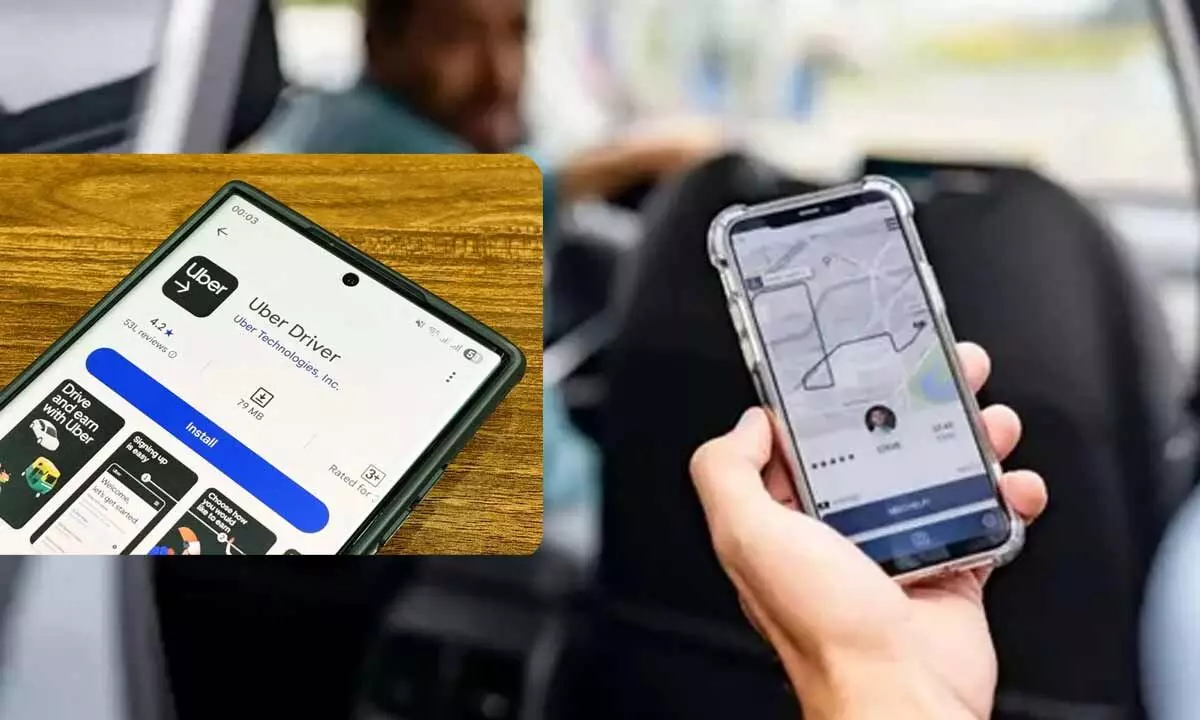
Uber is testing in-app video recording across major Indian cities to protect drivers from false accusations and improve overall trip safety.
Uber has begun testing an in-app video recording feature for its drivers in India, marking one of the company’s most significant safety initiatives in the country in recent years. Introduced quietly in phases, this experimental tool aims to address a persistent concern among drivers—the fear of being held responsible for incidents they did not cause. While dashcams are widely used in several global markets, most Indian drivers do not have them, prompting Uber to explore a smartphone-based alternative that doesn’t require extra hardware.
According to a report by TechCrunch, the pilot started in May and has now expanded to ten major cities: Delhi, Mumbai, Bengaluru, Chennai, Pune, Hyderabad, Chandigarh, Kolkata, Jaipur, and Lucknow. Eligible drivers in these regions can activate video recording during rides, and passengers immediately receive an in-app alert notifying them that the trip is being recorded.
For many drivers, the feature couldn’t have come at a better time. Drivers often find themselves navigating tricky situations where minor disagreements can quickly escalate into serious allegations. A Delhi-based driver, who requested anonymity to avoid jeopardising his livelihood, shared his concerns about late-night rides. He said, “Even female passengers traveling late at night insist that we follow the route they want instead of what’s shown on the map. If we refuse, they threaten to file false complaints.” Such claims—whether accurate or not—can result in penalties or temporary suspension from the platform, directly affecting a driver’s income.
Several drivers believe the video tool could provide vital context during disputes, offering clear evidence rather than relying on verbal accounts. Yet some remain cautious. They worry about how Uber will evaluate incidents when recordings are submitted, noting that passengers ultimately pay for the service and may switch to competing platforms if they feel uncomfortable.
Uber, however, says privacy has been a core focus while developing the feature. The company explains that recordings are saved only on the driver’s device and are “double-encrypted,” ensuring that neither Uber nor any external party can access them unless the driver chooses to share the footage as part of a safety complaint. If the video is not submitted, it is automatically deleted after seven days. This approach is similar to Uber’s in-app audio recording feature, introduced in India last year. The firm initially tested video recording in the US in 2022 and has since rolled it out in countries like Canada and Brazil.
The expanding pilot signals a noteworthy moment for Uber in India, where safety remains a major concern for both riders and drivers. While video recording may help reduce friction and clarify misunderstandings, it also enters a sensitive area where privacy expectations differ among users. As the tool reaches more cities, Uber will closely monitor feedback to determine whether the feature strengthens trust or creates discomfort.
The company has not announced a timeline for a nationwide launch. For now, the coming months will act as a crucial testing period that will determine whether in-app video recording becomes a permanent part of Uber’s safety toolkit in India or stays limited to select regions.