




- Assam seeks to reverse youth migration through investment, industrial growth: Himanta Sarma
- Telangana CM accuses KCR of attempting to grab Rs 50,000 crore land
- IAF Chief Amar Preet Singh calls on President Murmu ahead of his retirement
- Helicopter returning from Badrinath Dham crashes near Joshimath; search operation underway
- Uttarakhand to observe Sardar Patel’s 151st birth anniversary as National Unity Day tomorrow
- Swami Dayanand Saraswati Death Anniversary 2026: Remembering The Founder Of Arya Samaj And His Reformist Legacy
- Kajal Aggarwal Celebrates Karwa Chauth With Husband Gautam, Shares Adorable Pics
- Tiger Shroff firing case: 12th accused arrested from Sonipat, money trail under scanner
'Angad Ka Pair': Shah Says BJP Cannot Be Dislodged; Akhilesh Retorts, 'Bahut Der Kar Di Meherban'
In Short
He said the BJP government was like “Angad Ka Pair” (feet of Angad) which cannot be moved so easily.

Share :
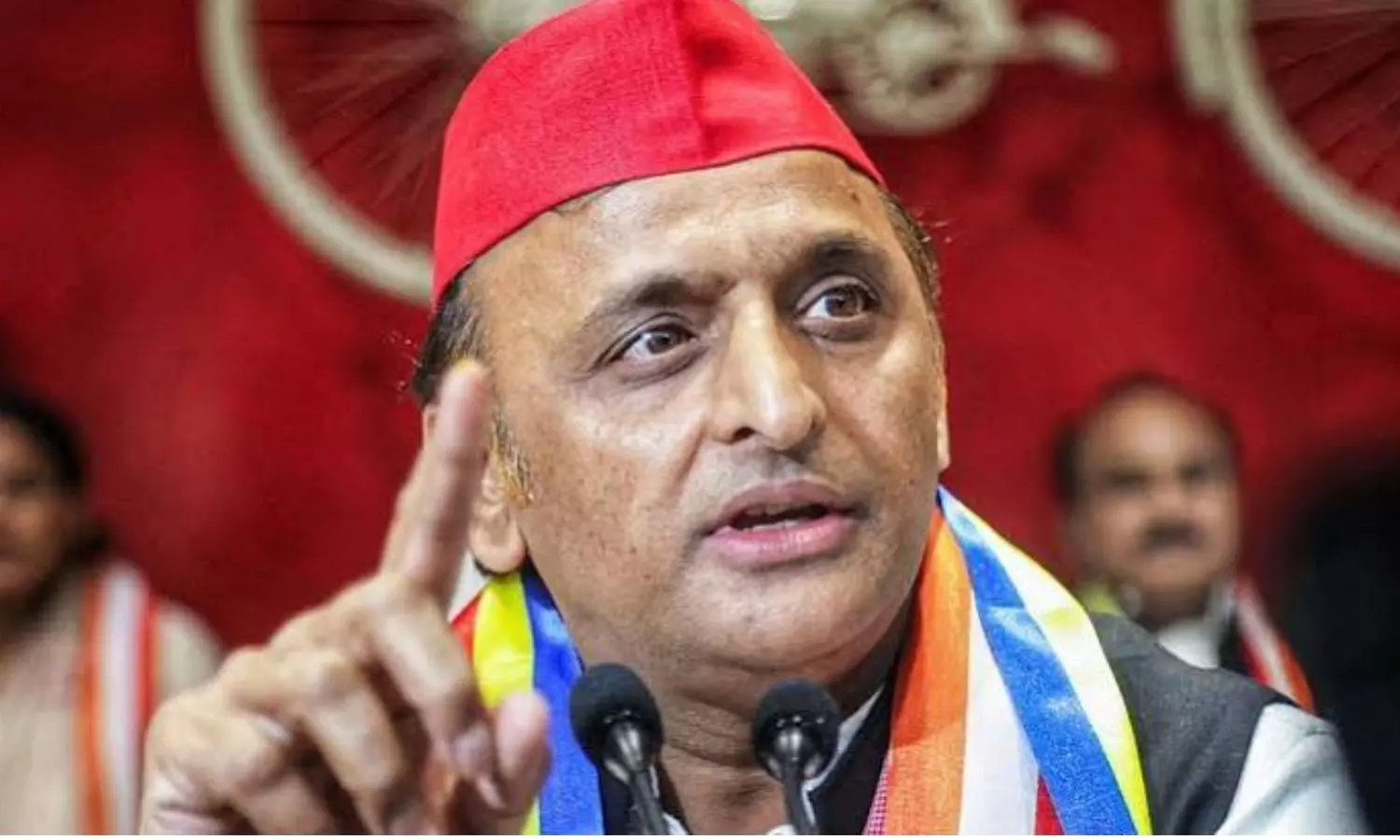
Samajwadi Party Chief said Akhilesh Yadav
Setting the tone for the upcoming Assembly elections to Uttar Pradesh, the Union Home Minister on Friday said that the BJP was in for a hat trick and Yogi would be back in power for the third consecutive time. He said soon after coming to power, the government would implement the Uniform Civil Code as it had done in Goa, Uttarakhand and other states.
He said the BJP government was like “Angad Ka Pair” (feet of Angad) which cannot be moved so easily. "Akhilesh Babu, mark my words, your party will not form the government in Uttar Pradesh for the next 30 years. The people will not forgive even your third generation," Shah said.
Reacting to this, the Samajwadi Party Chief said Akhilesh Yadav said, "Badi der kar di meherban aate-aate (It took you so long to arrive)." The original word of this song was not meherban. It was huzoor. When pointed out by a scribe, Akhilesh said, “Don’t make me say Huzoor. Meherban is good enough.
Calling UCC something that is not worth implementing, Akhilesh quipped, saying that the timing of the promise was not correct. He said that the government did nothing so far, though in power and it was raising the issue just before the elections.
In another jibe, Akhilesh referred to the recent decision of the Yogi government regarding eligibility for government jobs, which bars candidates associated with organisations advocating a change in the "established social order" through violent means. He said, "Those who are going to become unemployed are the very people making such laws and taking these decisions."
On the other hand, Shah said the BJP in Uttar Pradesh could not be dislodged as the government has firmly established itself in the state.
Referring to the events of October 30, 1990, when police opened fire on kar sevaks in Ayodhya, when Mulayam Singh Yadav was the CM, Shah said, "I want to ask them, on what grounds do they talk about forming a government? They ordered firing on Ram devotees, while we have built the Ram temple," he said. People have not forgotten that incident yet, he said.
On the issue of Vote Chori, Shah said it was like a team blaming the umpire after losing the game. The BJP is ready for a discussion in Parliament. He said the government was ready to convene a special session. We are ready to answer every question. Let there be a discussion in Parliament, he said.
This meeting has made it clear that the issue of UCC will be one of the main poll planks in UP. The opposition will try to harp heavily on the Vote Chori, Chanda Chori, law and order situation, and the latest guidelines of the government making it compulsory for background checks of candidates for government jobs.
Bolsonaro backs off Brazil poll challenge after Trump says 'I’m not running Brazil'
'Angad Ka Pair': Shah Says BJP Cannot Be Dislodged; Akhilesh Retorts, 'Bahut Der Kar Di Meherban'
INS Tarkash arrives in Mauritius, set to participate in 'Aapravasi Diwas' events
‘Gift before Diwali’: Banaskantha farmers on launch of Rs 14,000 crore projects by PM Modi
CEC ‘Public Impeachment’ Bid Put Off; Amit Shah Throws Down Challenge: Govt Ready for Special Session
FM Sitharaman slams Rahul Gandhi over remarks on IDBI Bank stake sale
Emotional Connect, Political Punch: 'Apna Narendra Bhai' in Gujarat
SIR deadline extended in AP and Telangana
‘Daya Karo, Soniaji!’ Delhi Chamber Makes an Emotional Appeal
Heavy rain alert issued to AP, Telangana amid expected low pressure


