Common Reasons for Car Insurance Claim Rejection and How to Avoid Them

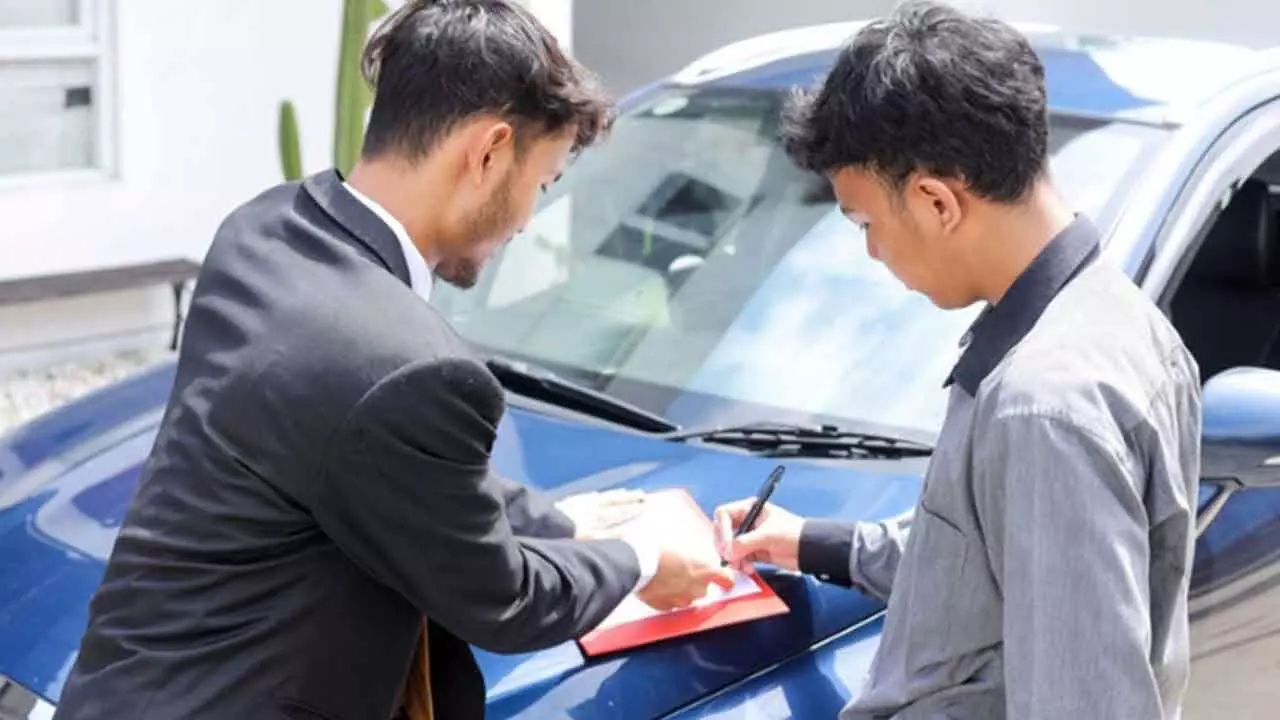
Car insurance provides peace of mind in uncertain circumstances. But for many, claims are denied after an accident or damage. This generally occurs whenever policy rules are not adhered to properly. The problem isn't fraud in most cases. It occurs when the policyholder makes a small mistake, omits a step or has not understood the explanations clearly. The errors can be prevented by simple attention.
Knowing why car insurance claims are denied helps you to act responsibly and ensure your money is protected. In this blog, we explain why a car insurance claim can get rejected and how you can avoid it easily.
Delay in Informing the Insurance Company
Insurance policies require immediate notification after an accident. When you delay informing the insurer, it raises suspicion. The company may doubt the authenticity of the incident. Late reporting also affects the inspection and assessment of damage. This often leads to claim rejection or reduction.
How to avoid it:
Notify the insurer immediately of any accident. Report it right away, even if the damage appears to be minor. This helps to ensure transparency and speeds up the process.
Driving Without a Valid Driving Licence
A valid driving license at the time of the accident is a must. Claims are dismissed if the licence had expired, was fake or did not fit the vehicle category.
How to avoid it:
Always make sure that the driver has a legal driving licence. Renew licences before expiry. Never give the car to an unauthorised driver.
Policy Expiry Due to Missed Renewal
An expired policy provides no coverage. Many people forget renewal dates and assume they are still insured. Even a one-day gap can make the policy invalid and result in claim rejection.
How to avoid it:
Track the renewal date carefully. Set reminders or choose auto-renewal. Renew the policy before it expires to maintain continuous protection.
Incorrect or Incomplete Policy Details
Incorrect data in policy, such as engine number, chassis number, fuel type or name of owner, can lead to rejection of claim. Insurers will verify these facts while processing a claim. Any mismatch creates problems.
How to avoid it:
Look into your policy document after purchasing. Report errors without delay. Make sure all details correspond to those on the Registration Certificate.
Accident While Driving Under the Influence
One of the most serious charges you can face is drinking and driving. It is not surprising that insurance policies exclude such coverage. Claims are rejected without exception.
How to avoid it:
Never drive after consuming alcohol. Arrange alternative transport. This protects both your safety and insurance coverage.
Not Following the Correct Claim Procedure
Each insurer has a defined claim process. Claims are rejected when repairs are done before inspection or when approvals are skipped. Unauthorised repairs make assessment difficult.
How to avoid it:
Follow the insurer’s instructions carefully. Wait for the surveyor's inspection. Use network garages when advised to avoid issues. A trustworthy insurer like HDFC ERGO offers constant guidance to help you complete the claim process with ease.
Vehicle Used for a Purpose Not Covered
Using a private car for commercial purposes violates policy terms. Insurers strictly check vehicle usage at the time of the claim.
How to avoid it:
Use the vehicle only as stated in the policy. Inform the insurer if usage changes. Update the policy accordingly.
Hiding Previous Claims or Damage
Non-disclosure of previous claims or damages affects trust. Insurers cross-check records during claim settlement. Any mismatch may lead to rejection.
How to avoid it:
Always disclose previous claims honestly. Transparency improves approval chances and avoids disputes later.
Missing or Inadequate Add-On Coverage
Many policyholders expect coverage for all damages. This misunderstanding exists even with a comprehensive insurance plan for cars, where add-ons must be chosen separately. Missing add-ons can reduce or reject claims.
How to avoid it:
Understand policy inclusions clearly. Choose add-ons based on vehicle age and driving conditions. Do not assume automatic coverage.
Failure to Submit Required Documents
Claims require documents like FIR, repair bills, claim forms, and photographs. Missing documents delay processing or result in rejection.
How to avoid it:
Submit all documents on time. Keep records organised. Ask the insurer if you are unsure about requirements.
Pre-Existing Damage
Damage that existed before policy purchase is not covered. Insurers compare inspection reports and photographs to identify old damage.
How to avoid it:
Declare existing damage during policy purchase. Get repairs done before buying insurance. Avoid hiding information.
To Conclude
Car insurance claim denial usually occurs because of unnecessary errors. Most of the problems stem from ignorance, rather than malice. Timely intimation, honest disclosure, and correct documentation make a major difference. Paying close attention to what your policy actually states is how you can avoid such misunderstandings. It is by strictly following each claim process step that a more hassle-free settlement is possible.
By taking some easy measures, you can lower the chance of rejection and ensure that your insurance will be there for you when you need coverage the most.