Oscars analysis: Originals rule the night
2026 Oscars signal a bold shift in Hollywood power play
The 2026 Academy Awards may well be remembered as the night originality triumphed over formula—and as a defining moment for Warner Bros. Discovery in a rapidly evolving Hollywood landscape.
Studio chief David Zaslav sounded less like a corporate executive and more like an auteur evangelist as he celebrated a staggering haul of 11 Oscars. Leading the charge was “One Battle After Another,” which dominated with Best Picture and multiple major awards, alongside “Sinners” and “Weapons”. The common thread? All three were original films—an increasingly rare gamble in an industry long reliant on sequels and franchises.
Zaslav’s emphasis on creative risk paid off. By backing filmmakers like Ryan Coogler, Michael B. Jordan, and Paul Thomas Anderson, the studio doubled down on storytelling over IP familiarity. Coogler’s deal for “Sinners,” granting him long-term creative ownership, now looks like a blueprint for future filmmaker-studio partnerships.
What makes this victory even more striking is the path these films took. Unlike traditional Oscar contenders, none relied on the festival circuit to build prestige. Following the precedent of “Oppenheimer,” these films proved that awards momentum can be built outside Cannes, Venice, or Telluride—potentially reshaping awards season strategies.
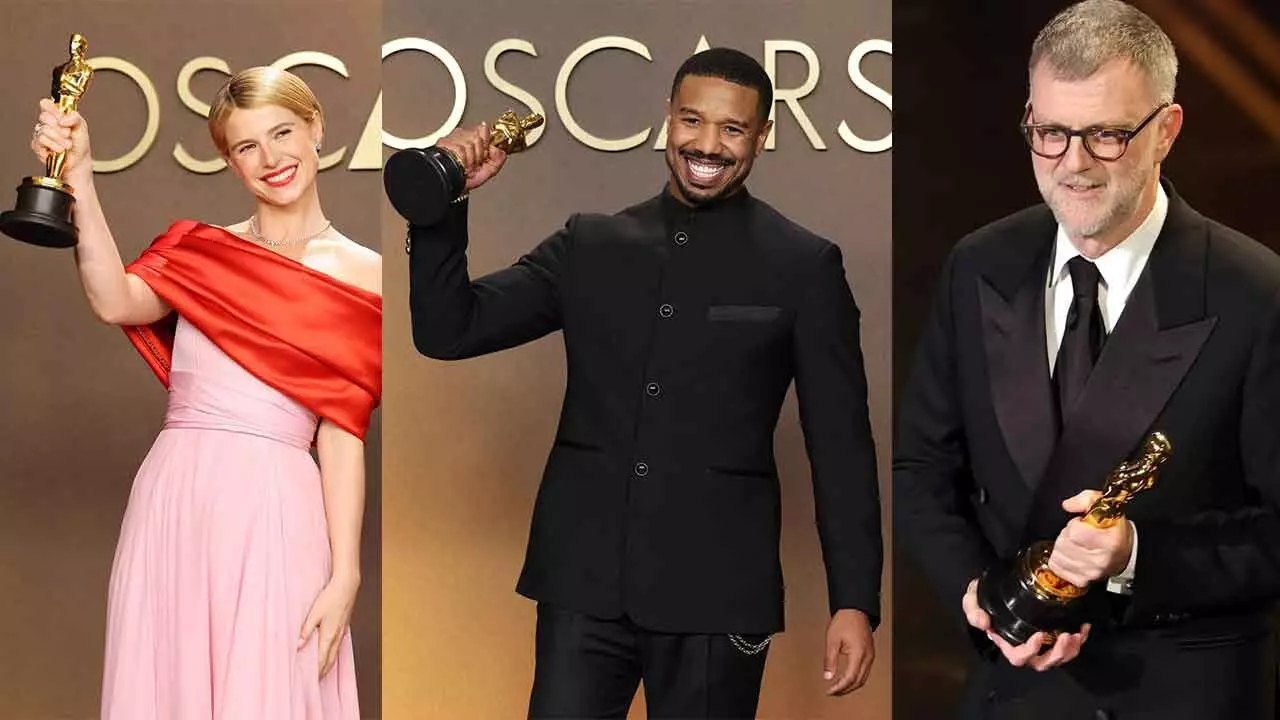
On the acting front, the night balanced predictability with intrigue. Jessie Buckley’s Best Actress win for “Hamnet” was widely expected, but the Best Actor race saw a late surge from Michael B. Jordan, whose dual performance in “Sinners” captured industry attention at just the right moment. His win—following a strong showing at the SAG Awards—highlights how timing and narrative can influence Oscar outcomes as much as early buzz.
Meanwhile, Sean Penn quietly entered elite territory with a third acting Oscar for “One Battle After Another,” joining legends like Meryl Streep and Daniel Day-Lewis. His absence from the ceremony echoed a bygone era when skipping the Oscars was not uncommon—offering a subtle reminder of how awards culture itself has evolved.
Beyond Warner Bros. Discovery’s dominance, Netflix matched its own record with seven wins, driven by Guillermo del Toro’s Frankenstein and the visually electrifying “KPop Demon Hunters”. The streaming giant’s continued success underscores its growing parity with traditional studios, even as theatrical-first releases made a strong case this year.
The ceremony itself, hosted by Conan O’Brien, struck a confident balance between spectacle and sincerity. With an elegant stage design and minimal interference in acceptance speeches, the show leaned into authenticity—allowing political commentary, emotional appeals, and spontaneous humor to coexist. Notably, a rare tie in the Live Action Short category added a touch of unpredictability, handled with effortless charm by presenter Kumail Nanjiani.
Yet, even in celebration, the Oscars weren’t without controversy. Omissions in the In Memoriam segment—particularly icons like Brigitte Bardot and Alain Delon—sparked quiet criticism, reminding audiences that the Academy’s choices are as scrutinized as its winners.
Ultimately, the 2026 Oscars reflected an industry at a crossroads. With blockbuster mergers looming and streaming platforms reshaping distribution, the night’s biggest takeaway was clear: bold, original storytelling still has the power to dominate both the box office narrative and the awards stage.
As Hollywood looks ahead to its 99th Academy Awards, one question lingers—can this momentum for originality sustain itself, or was this a rare, golden exception?