Brain drain of a different kind is happening globally

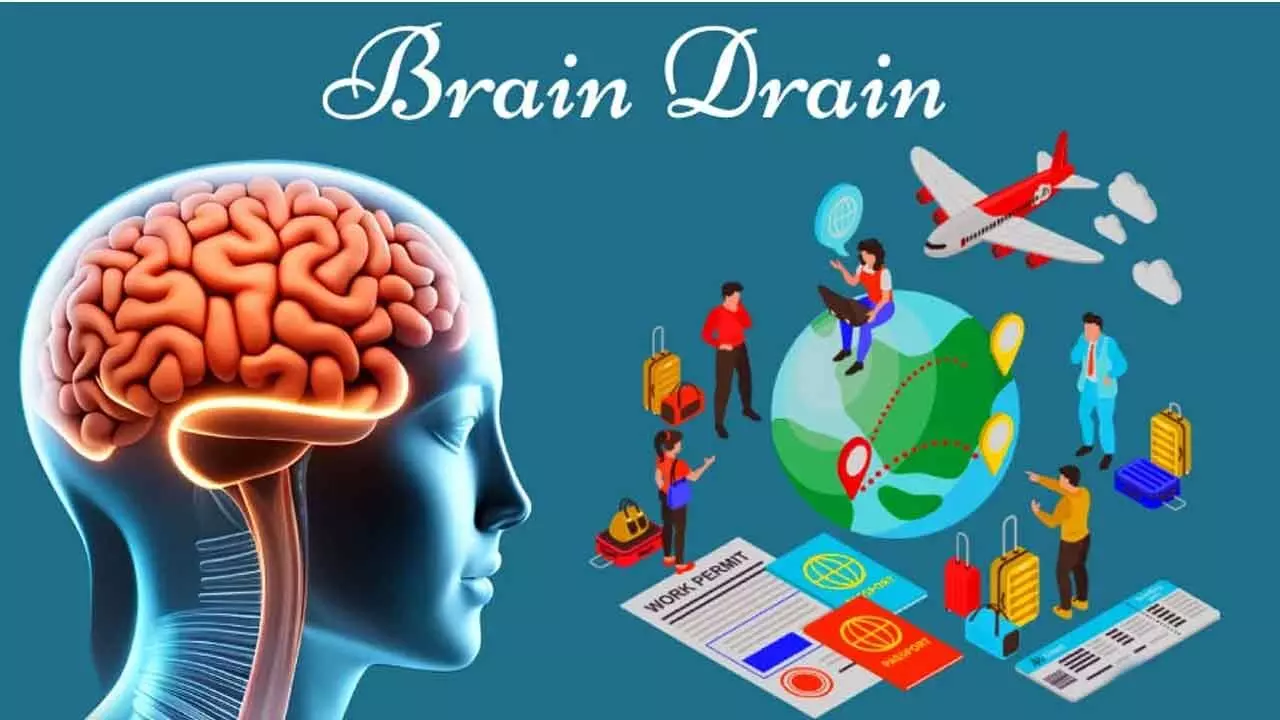
Like the rest of the developing nations hitched on to the globalisation bandwagon, India found itself as part of the transnational group which had its own rhythm and language to direct how its citizens should be leading their lives. Of course, the technological transfer and seamless merger with bigger nations who found India valuable and attractive made an entire generation adapt to varied lifestyles which ultimately began taking its toll. What was considered impossible given the complex nature of Indian society, was suddenly face-to-face with a whole new set of young corporate employees, who battled depression, stress and many severe neurological issues.
Reduced sleeping hours is still considered a badge to be worn with pride in a few sections of the corporate world. This has been proven many times that it is far from the truth. As a University of Pittsburgh neurologist recently wrote: Among all forms of rest, sleep is the most powerful. Sleep is the brain’s night shift. While you rest, the brain takes out the trash through a special cleanup system called the glymphatic system.
And importantly, sleep is when essential repair work happens. Growth hormone surges during deep sleep, supporting tissue repair, while immune cells regroup and strengthen their activity. During REM sleep, the stage of sleep linked to dreaming, the brain replays patterns from the day to consolidate memories. This process is critical not only for cognitive skills like learning an instrument but also for physical skills like mastering a move in sports. On the other hand, chronic sleep deprivation impairs attention, disrupts decision-making and alters the hormones that regulate appetite and metabolism.
This is why fatigue drives sugar cravings and late-night snacking. Sleep is not an optional wellness practice. It is a biological requirement for brain performance. It might come as a surprise to learn that the brain responds to training in much the same way as our muscles, even though most of us never think about it that way. Clear thinking, focus, creativity and good judgment are built through challenge, when the brain is asked to stretch beyond routine rather than run on autopilot.
That slight mental discomfort is often the sign that the brain is being trained. Think about walking the same loop through a local park every day. Your senses are alert. You notice the hills, trees and the changing light. But after a few loops, your brain checks out. You start planning dinner, replying to emails or running through your to-do list. The walk still feels good, but your brain is no longer being challenged. Routine feels comfortable, but comfort and familiarity do not build new brain connections.
Various studies put out on this subject in our country have graphic details about how sleeplessness and overworked brains have wreaked havoc on public health, especially among the young who constitute more than 65 per cent of Indian population today. What will we expect if we have the so-called ‘demographic dividend’ laden with psychosomatic issues take over critical areas of our lives. Should we not raise awareness levels immediately on this serious matter?