Abhijeet Ghoshal calls out the changing reality of singing shows

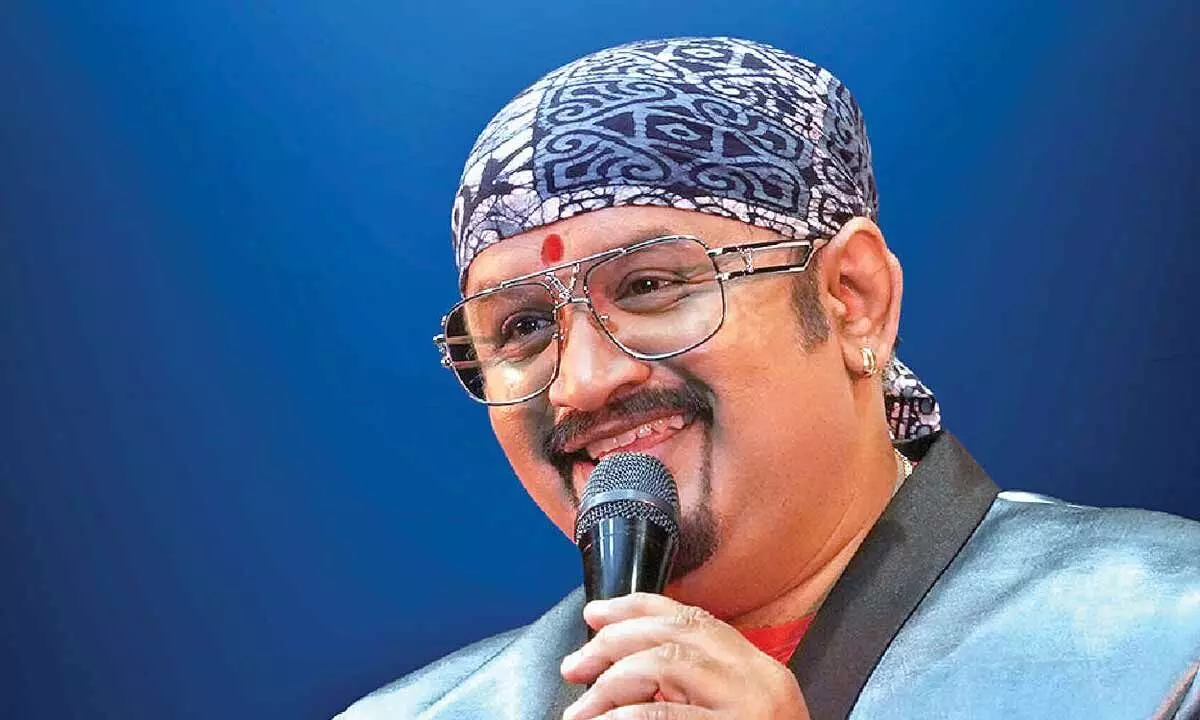
Reality shows, especially singing competitions, have been a defining part of Indian television for decades. Once celebrated as platforms that discovered and nurtured raw musical talent, many of these shows are now frequently criticised for excessive drama, emotional storytelling, and a growing obsession with ratings. Adding weight to this debate, acclaimed Bollywood playback singer Abhijeet Ghoshal has spoken candidly about how singing reality shows have shifted from being music-centric to business-driven productions.
A winner of 11 seasons of the iconic Sa Re Ga Ma Pa, Abhijeet reflected on his own journey, describing it as a gruelling yet deeply enriching musical experience. He recalled that the competition during his time was relentless and uncompromising. Contestants often shot three episodes in a single day, which meant performing up to 12 songs within hours. “Hardly three songs were of our own choice,” he shared, explaining that the rest were assigned based on the flow of competition and judges’decisions. In many cases, singers were required to perform the antara of the same song another contestant had sung, often with just 20 to 25 minutes to learn multiple new compositions before facing the cameras.
What made the experience truly demanding, Abhijeet said, were the towering standards set by legendary judges. Names like Naushad, Khayyam, Pt. Shivkumar Sharma, Rashid Khan, Gopi Nayyar, and Vishal Bhardwaj meant there was no room for mediocrity. “Their expectations were so high that you had to give your absolute best every single time,” he said, calling it the real test of a singer’s calibre.
Comparing that era with today’s reality shows, Abhijeet acknowledged that exceptional talent still emerges but noted a clear shift in structure and priorities. Contestants now typically perform just one song a week, while publicity, popularity, and personal narratives play a much larger role. He pointed out how emotional backstories have become repetitive and predictable, often revolving around financial struggles or family hardships. “The audience can sense when something is off,” he remarked, suggesting that these narratives sometimes overshadow the music itself.
According to Abhijeet, the biggest change lies in the core philosophy of these shows. Earlier, progress was determined purely by musical merit. Today, emotional angles often take centre stage. “Now it’s about whose tragedy is bigger. Earlier everything was music-driven; now it is market-driven,” he stated bluntly.
He also expressed concern about the psychological impact this environment can have on young singers. Casual praise from judges or viewers, he warned, can create false confidence, especially for contestants from small towns. “That kind of validation can be mentally dangerous,” he said, explaining that it may distort a young artist’s understanding of their true abilities and growth.
Despite his criticism, Abhijeet continues to celebrate music in its many forms. He remains active on the concert circuit across India, seamlessly blending Bollywood melodies with devotional music. Recently, he won the Clef Music Award for Damroo Bajaye, and his self-written and composed Khatu Shyam bhajans are set to release soon under the T-Series banner.
Through his reflections, Abhijeet Ghoshal offers not just nostalgia, but a timely reminder of what singing reality shows once stood for—and what they risk losing if music takes a back seat to market-driven storytelling.