Sankranti diet for women

How to enjoy traditional foods without harming hormonal health
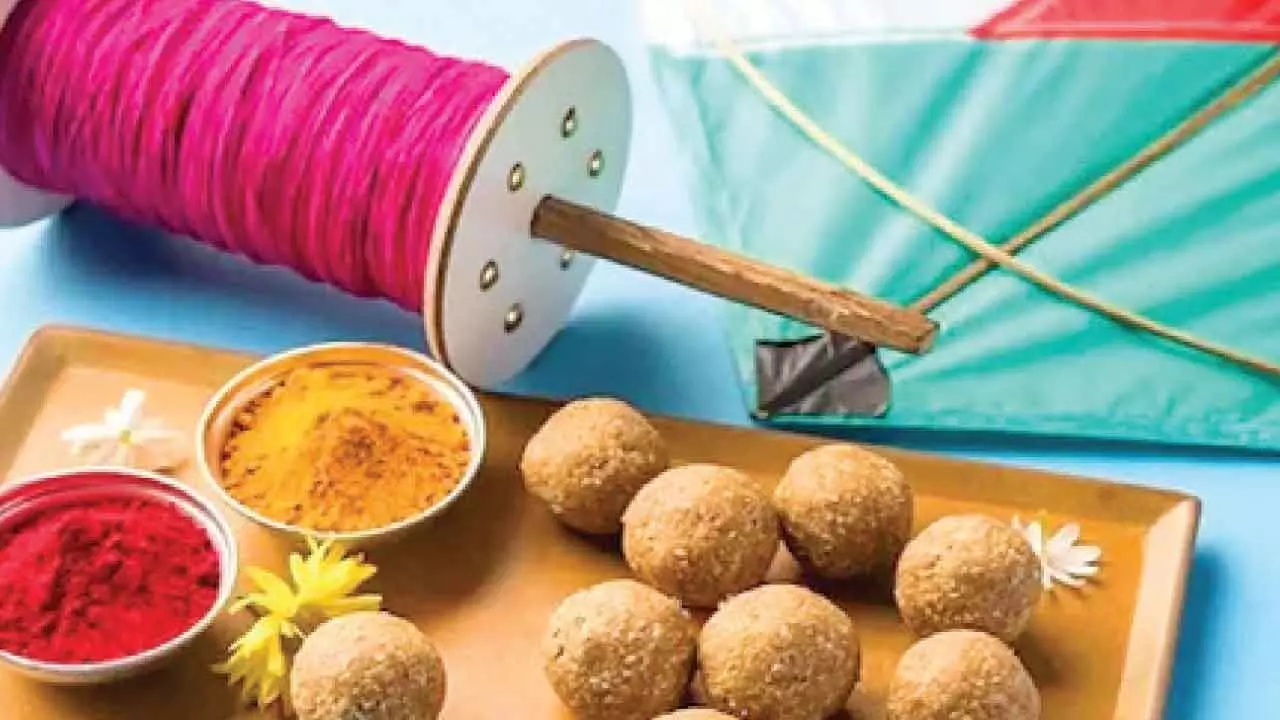
Makar Sankranti marks a joyful seasonal transition and is celebrated with warmth, family gatherings, and traditional foods. For women, however, festival eating often comes with concerns about weight gain, sugar overload, and hormonal imbalance. The good news is that Sankranti foods, when eaten mindfully, can support women’s hormonal health rather than harm it.
Why Sankranti Foods Matter for Women’s Health
Sankranti falls in mid-January, when the body needs nourishing, warm foods. Traditional recipes were designed keeping seasonal needs in mind. Many Sankranti ingredients like sesame seeds, jaggery, millets, peanuts, and ghee provide essential nutrients like iron, calcium, healthy fats, and antioxidants. These nutrients play a key role in hormone production, menstrual health, bone strength, and energy levels, especially for women.
Sesame Seeds: Small Seeds, Big Hormonal Benefits
Til (sesame seeds) are central to Sankranti dishes like til laddoos and chikkis. Sesame seeds are rich in calcium, zinc, magnesium, and healthy fats. These nutrients support estrogen balance, reduce PMS symptoms, and improve bone health which is important for women of all ages. However, moderation is key. Two small laddoos or one piece of chikki a day is sufficient. Overeating can lead to excess calories and digestive discomfort. With just 2tbsp of sesame seeds you can benefit 300mg of calcium (30% of daily requirement), 4mg of iron, 100mg of magnesium, 6g of protein.
Jaggery vs Sugar: Choose Wisely
Traditional sweets use jaggery instead of refined sugar. Jaggery contains iron, potassium, and trace minerals that help prevent anemia, a common issue among women but jaggery is still a form of sugar and can spike blood sugar if consumed excessively. Women with PCOS, insulin resistance, or thyroid issues should enjoy in small portions and pair them with protein or fiber-rich foods to reduce sugar spikes.
Ghee and Healthy Fats: Friend, Not Foe
Ghee is often misunderstood but plays a supportive role in hormonal health. Healthy fats are essential for hormone production, including estrogen and progesterone. Ghee also improves nutrient absorption and gut health. The key is quality and quantity. Homemade or pure ghee in small amounts like one to two teaspoons a day is beneficial. Deep-fried snacks soaked in excess oil should be limited, as they can increase inflammation and hormonal imbalance.
Millets and Pulses: Balance Your Plate
Sankranti is a great time to include traditional millets like jowar, bajra, and ragi. These grains are rich in fiber, iron, and B vitamins, which helps to manage your weight. Pairing traditional sweets in moderation during festive season with millet-based meals, dals, vegetables, and curd prevents overeating. A balanced Sankranti meal should include protein, fiber, healthy fats, and sweets, not sweets alone.
Portion Control and Timing Matter
Eating continuously throughout the day can strain digestion and disrupt insulin levels. It is better to enjoy festive foods during daytime when digestion is stronger. Avoid heavy sweets late at night, as they may disturb sleep and hormone regulation. Mindful eating like chewing slowly and stopping before feeling overly full helps maintain hormonal balance and prevents bloating.
Enjoy Tradition Without Guilt
Sankranti is not about restriction, but about respect for seasonal wisdom. When enjoyed in moderation and balance, traditional Sankranti foods can nourish women’s bodies, support hormonal health, and strengthen the connection between culture and well-being. Celebrating mindfully allows women to enjoy the festival without guilt and with better health.
(The writer is a Head of Services - Clinical Nutrition & Dietetics, Aster CMI Hospital, Bangalore)