Winter diet mistakes women make nutritionists share smart swaps


As the temperature drops, we subconsciously alter our food intake. Heavier foods, hot drinks, and time-tested comfort meals are often chosen by ladies to keep themselves warm. Though such a seasonal instinct is nothing abnormal, dieticians warn that winter eating habits can silently affect our immune system, digestion, skin condition, energy level, and even hormonal balance. The problem is not so much that one occasionally indulges, but rather the consistency that is, if over the weeks and months comfort foods have been substituting balanced meals.
Realising the points where winter food habits usually derail gives women the opportunity to make the right choices that not only benefit their physical but also their mental health throughout the period.
When comfort dishes become a substitute for nutrient-dense meals
Tuning in to what food can warm you up is a very typical winter habit that, unfortunately, may lead to overlooking the nutritional value of the food consumed. Deep-fried foods, foods made from refined flours, and sweetened drinks can quickly bring us the desired feeling of well-being but have an almost non-existent contribution to our long-term health. Such a routine can eventually cause a person’s immune system to get weaker and metabolism to slow down.
Nutritionists suggest that one should eat food which can give both warmth and nourishment at the same time. Soups, stews, khichdi, dals, and whole-grain porridges are warm and also provide fibre, protein, and micronutrients to the body. Besides, spices like ginger, turmeric, cinnamon, and cumin are warming agents and at the same time, do not lower the nutritional value of the dishes.
The silent drop in fruit, vegetables, and fibre consumption
A large number of women limit their consumption of fruits and raw vegetables during winter, thinking that they might be hard to digest or “cooling” for the body. This decrease usually results in constipation, bloating, and a lack of nutrients.
The real fruit and vegetable enthusiasts can warm up and cook seasonal produce to keep the fibre they need. Lightly sautéed greens, roasted root vegetables, and fruit compotes remain good sources of fibre and antioxidants and at the same time, support digestion. Besides, citrus fruits, apples, guava, and berries are very important to the immune system during the cold period of the year.
One of the most neglected nutrients in winter diets is protein
Preparations for winter meals often are high in carbohydrates while proteins do not get the attention planned for them. This imbalance, when continued for a long time, may cause muscle fatigue, increased hunger, hair loss, and even slower metabolism - especially in women over 30 years of age.
By adding a good source of protein to each meal, a person can stay strong and satisfied for longer. Dals, paneer, eggs, tofu, yoghurt, nuts, seeds, fish, and lean meats are not only good for the health but also can provide warmth and nutritional stability in winter.
Many women do not realise that their hydration is getting worse until it is too late
The cold weather makes people less thirsty and thus many women decrease their water intake without realizing it. Mild dehydration is often blamed for dry skin, low energy, headaches, and poor digestion.
People are generally more willing to consume hot drinks during the cold season. Herbal teas, infused water, soups, and clear broths are all sources of water, and, at the same time, comforting to the body. Having a habit of sipping regularly can be a good measure against dehydration as it will be done before one experiences its symptoms.
Sugar and comfort foods become the emotional crutches the need for which is felt more intensively during the winter period
Reduced hours of daylight, occurrence of festive seasons, and lessening of the sun’s rays are usually factors that raise the desire for sugar products. Even though sweet treats can give a person some temporary relief, in the long run, too much sugar can lead to increased inflammation, hormonal imbalances, and unstable moods.
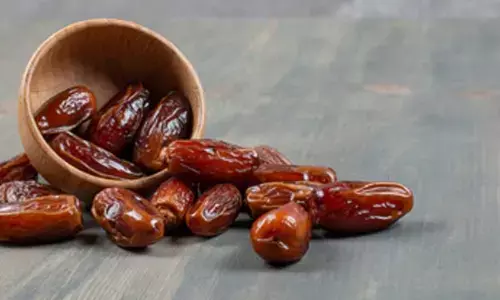
The nutritionists’ advice is to balance the meals with the help of protein, healthy fats, and complex carbohydrates in order to keep the energy level constant. Besides, the natural sweetness of fruits, dates, jaggery (if consumed in moderation), or dark chocolate can be used as a more sustainable way of controlling the cravings.
The common misconception that fats make the body unhealthy
Quite a few women decide to consciously reduce their fat consumption during the cold season so as not to put on weight. However, fats that are healthy are very important for the production of hormones, the condition of the skin, and the regulation of the body temperature.
Consuming moderate amounts of ghee, olive oil, nuts, seeds, avocados, and fatty fish not only makes a person feel full but also supports his/her health in the long term, especially at colder and drier times of the year.
A season for mindful nourishment
Winter nutrition is not about following strict rules or limitations rather; it is characterised by harmony with the body’s changing needs. Women will be able to enhance the immune system, hormonal health, and energy levels through choosing warm, balanced, and nutrient-dense foods.
(The writer is a chief clinical dietician & HOD - Department of Clinical Nutrition and Dietetics, Aster Whitefield Hospital)