Dear Lottery Chart and Lottery Sambad Today Results in India

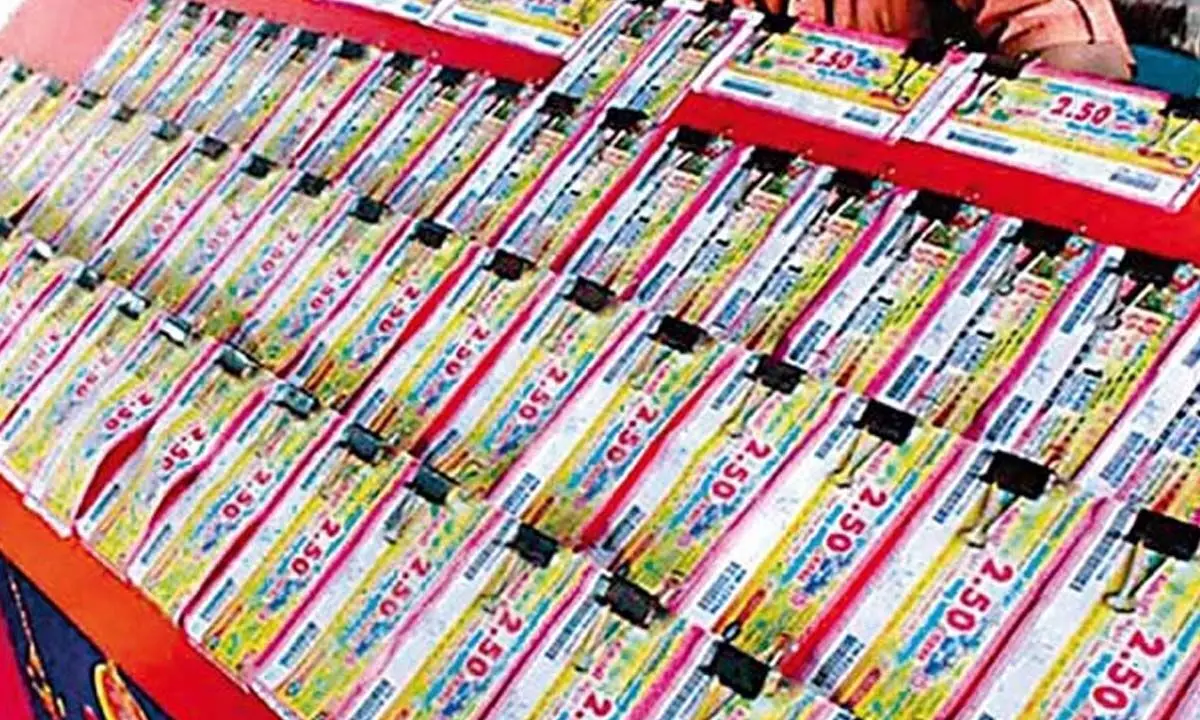
Kerala Lottery Sthree Sakthi SS-486 Results 2025 – Win ₹1 Crore Today
How the Dear Lottery Chart works, how Lottery Sambad today results are published, and how players in India check official lottery result tables by draw time and series.
State-run lottery draws in India follow a tight daily schedule. This generates immense, predictable online traffic. Users aren't browsing for games or strategies. Their intent is verification. They hold a physical ticket and need the official digital outcome. The search for today lottery result dominates.
The Dear Lottery Chart meets this need. It's a structured table, not a simple list. This layout groups winning numbers by session, series, and date for rapid scanning. The entire process is functional, devoid of promotional language or playing advice. It's a tool for a task.
What a Dear Lottery Chart Shows
A Dear Lottery Chart organizes official draw data into a scannable grid. It typically groups results by date, session time, series name, and prize tier. This structure is a direct response to system complexity. With multiple draws published each day, a simple paragraph of numbers becomes a recipe for confusion. The chart imposes order. It turns a stream of data into fixed rows and columns that a user can query visually. This simplicity is its entire value proposition.
This differs fundamentally from a basic "result list." A list is linear. You must read it. A chart is spatial. You scan it. The risk of error is higher with a list. A user might mistake a number from the "Dear Morning" series for one from "Dear Evening" if the formatting is poor. The chart's segmented layout, with clear headers and separate blocks, actively reduces this risk. It provides context at a glance. According to our analysts, this is why users specifically seek out the Dear Lottery Chart format. They are opting for the tool that minimizes their effort and chance of mistakes.
Why Users Look for a Chart Instead of a Single Result Line
User confusion is common in multi-draw systems. Series names can sound similar. Draw times are close together. A plain text result forces the user to parse and interpret. Did the "Dear 6 PM" results start yet, or am I looking at the "Dear 5 PM" list? This mental work creates friction. The chart format eliminates this by providing a visual hierarchy that separates sessions before the user even begins looking. It's designed for the scan, not the read.
The chart format helps users verify results faster for concrete reasons:
- Date grouping separates today's numbers from older entries.
- Session labeling reduces confusion between similar draw names.
- Table structure makes number matching quicker on mobile screens.
- Prize rows keep the result and payout context in one place.
This is why chart-based pages often look simple, even bare. They are optimized for a single action: rapid cross-referencing. Every design choice serves speed and clarity over aesthetics. The page's job is to get the user an answer in seconds. The chart is the perfect engine for that job.
How Lottery Sambad Results Appear in Daily Publishing
For a vast number of Indian users, "Lottery Sambad" is synonymous with the daily publication of results. It's the brand name they associate with the schedule of draws. When they search, they are looking for the latest output from this publishing cycle. The term itself has become a reliable signpost for fresh, official numbers. It signals a trusted source within the daily rhythm of draw-and-verify.
This is where the qualifier "today" becomes non-negotiable. Search results are often cluttered with archives. A query for just "lottery sambad" might yield results from yesterday or last week. Adding "today" sharpens the focus. It tells the search engine to prioritize the most recent publications. The user's intent is time-bound. They need the numbers from the session that just concluded, not a historical record. The phrase lottery sambad today perfectly captures this need for immediacy and relevance, filtering out everything that isn't current.
Where Nagaland State Lottery Fits Into These Searches
The keyword "Nagaland State Lottery" functions as a precision filter. Users add it to narrow their search to results from that specific state's licensed scheme. In a landscape with multiple state lotteries, this becomes a practical way to avoid confusion. Similar series names can appear across different regions, so adding a state reference helps refine the result set. This small adjustment changes how accurately users reach the correct data.
The state identifier improves search accuracy in several specific ways:
- State names reduce overlap between similarly branded lottery series.
- Official references increase confidence in the legitimacy of the source.
- Geographic tags help users avoid opening unrelated result pages.
- Search precision lowers the chance of verifying numbers from the wrong draw.
These small improvements make a noticeable difference during verification. The goal is not research, but speed and correctness when matching ticket numbers.
How People Use a Lottery Result Chart to Verify Tickets
Once a draw closes, the user's behavior is highly predictable. They navigate to a known website or perform a search. Their mission is singular: to match their ticket's digits against the official lottery result. The primary risk isn't a missing number. It's selecting the wrong data set, such as confusing the morning session chart for the evening session chart. This error is easy to make when tired or in a hurry.
This is the chart's primary defensive function. It doesn't just present data; it enforces a verification sequence. The layout guides the eye. You must acknowledge the date header, then the session time, then the series name, before you ever reach the winning numbers.
This structured progression is built into the table's design. It systematically prevents the user from jumping straight to the numbers and making an assumption. Using a dear lottery result chart correctly means following this built-in visual protocol, which turns a potentially error-prone task into a reliable, step-by-step check.
A Simple Verification Flow Most Users Follow
Verification is a process, not a glance. You cannot simply look for your number. You must first confirm you are looking at the right list. The chart's architecture supports this necessary sequence. It makes the process almost mechanical, which is ideal for avoiding human error in a repetitive task.
Most checks follow a predictable, logical chain of actions:
- First, the user confirms the correct draw date and time;
- Next, the series name is matched to the chart row;
- Then, the ticket number is checked against the winning list;
- Finally, the prize tier is verified in the same table.
This flow minimizes mistakes in a system with several daily sessions. It's how a chart transforms a large, intimidating data dump into a simple, foolproof verification. Each step gates the next. You cannot check the number until you've confirmed the series. You cannot confirm the series until you've locked in the time. This built-in order is the chart's greatest asset.
Conclusion
The Dear Lottery Chart is a utility-first publishing format. It exists to align with real user behavior: find the latest numbers fast and check a ticket without error. It responds directly to the complexities of India's multi-draw state lottery system.
Searches for today lottery result, dear lottery, or Nagaland state lottery are different routes to the same destination: a structured table that provides clarity. The entire interaction is transactional. There is no promotion, no advice. The chart serves one purpose: to deliver an authoritative, scannable answer to a simple, daily question. It turns a potential hassle into a routine that takes seconds.