Hospitalist in 2026: Education, Skills, and Career Path

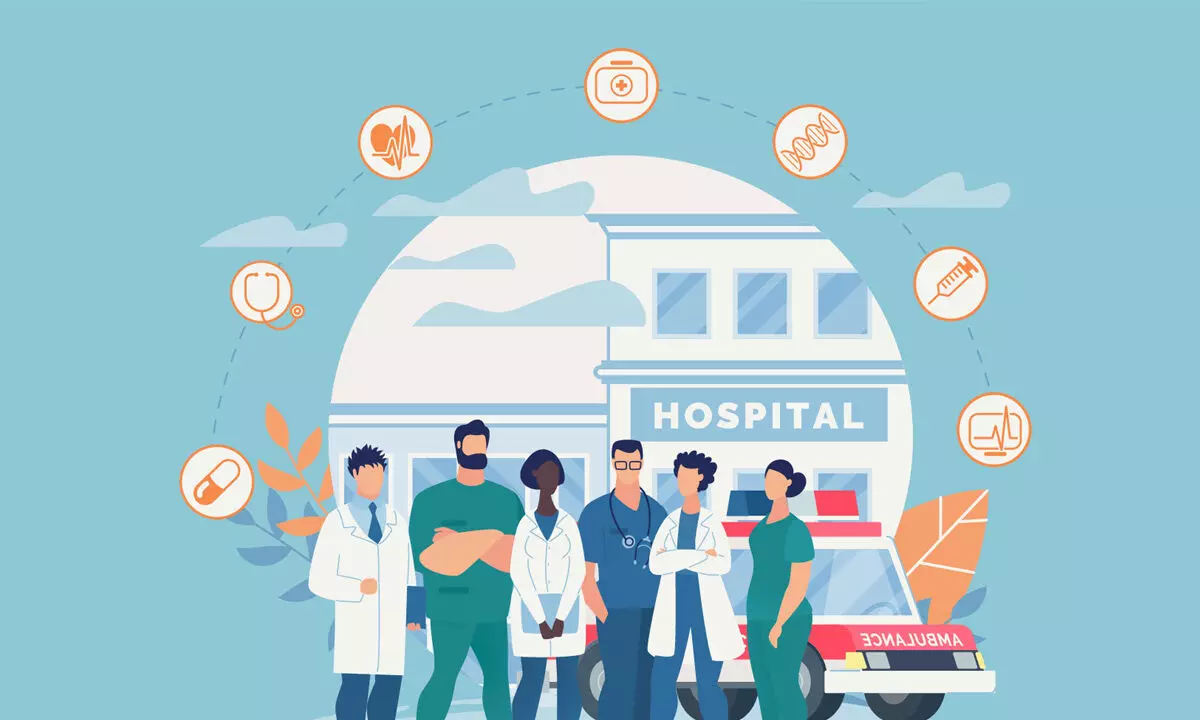
As healthcare systems grow more complex, hospitalists have become central to modern inpatient care. A hospitalist is a physician who specialises in the treatment and management of patients admitted to hospitals. Unlike primary care doctors who see patients in clinics, hospitalists focus exclusively on hospital-based care, coordinating treatment plans, managing acute illnesses, and ensuring smooth communication between specialists, patients, and families.
Education and Training
The journey to becoming a hospitalist begins with completing a medical degree (MBBS or equivalent). After medical school, aspiring hospitalists must undergo postgraduate training, typically a residency in Internal Medicine. In some cases, physicians from Family Medicine backgrounds may also enter hospital medicine, depending on national regulations and institutional requirements.
Residency usually lasts three years and provides intensive clinical exposure in managing complex inpatient cases, emergency situations, and chronic disease complications. While board certification in Internal Medicine is commonly required, some hospitalists choose to pursue additional fellowships in areas such as critical care, infectious diseases, or geriatrics to broaden their expertise.
Essential Skills
Beyond academic qualifications, hospitalists must develop a strong set of clinical and interpersonal skills. Quick decision-making is critical, as they often handle unstable patients and rapidly changing medical situations. Strong communication skills are equally important, since hospitalists coordinate with multiple specialists, nurses, and allied health professionals.
Time management, leadership abilities, and adaptability are also key traits. With hospitals increasingly integrating electronic health records and digital tools, familiarity with healthcare technology has become essential in 2026. Emotional resilience is another important quality, as hospitalists frequently deal with high-pressure scenarios and sensitive patient situations.
Career Opportunities and Growth
Hospital medicine is one of the fastest-growing medical careers globally. The demand for hospitalists continues to rise due to expanding healthcare infrastructure, aging populations, and the need for specialised inpatient care. Career pathways include leadership roles such as Chief Hospitalist, Medical Director, or involvement in hospital administration and policy planning.
Many hospitalists also participate in teaching, research, and quality improvement initiatives aimed at enhancing patient safety and reducing hospital stays. Flexible shift-based schedules in some institutions offer improved work-life balance compared to traditional medical practice.