






- Sonia Gandhi recalls fear of Indira, urges more youth to join politics
- Indian envoy meets Jakarta Governor, discusses sister city cooperation and Little India redevelopment
- FM Sitharaman chairs 2nd pre-Budget consultation with leading agriculture, rural development experts (Lead)
- Amit Shah unveils bust of Ajit Pawar in Pune; reveals the 'secret' behind his entry into Mahayuti
- Anbumani Ramadoss seeks urgent recruitment as TN govt colleges face faculty shortage
- Trinamool infighting: Ritabrata faction's X account suspended, blames Mamata group
- Apple Smart Glasses May Launch in 2027, Takes on Meta Ray-Bans
- Mahesh Babu’s Varanasi Team Teases A Massive Update
Internships vs. Formal Education: What matters more in chef’s career
In Short
The culinary world is a thrilling space, dynamic, demanding, and deliciously creative.

Share :
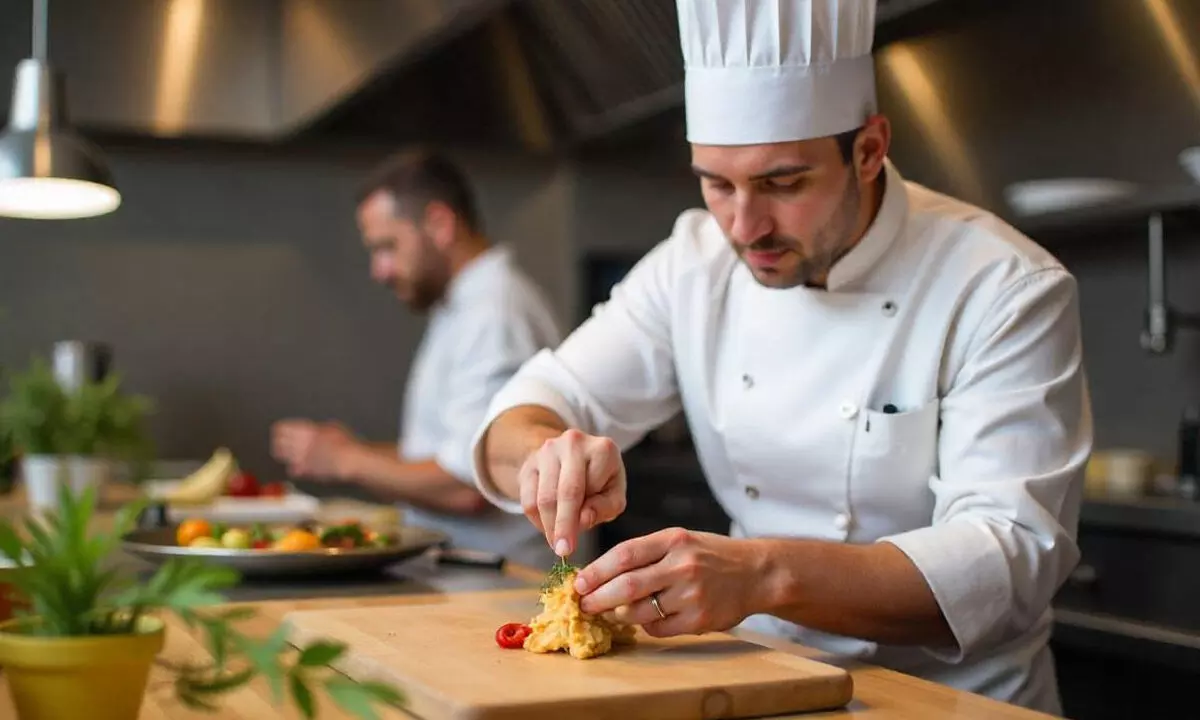
The culinary world is a thrilling space, dynamic, demanding, and deliciously creative. For aspiring chefs, the path to a successful career often raises an essential question: what matters more - formal education or hands-on internships?
The answer, like most things in the kitchen, lies in the right balance of ingredients.
Formal culinary education lays the foundation. It introduces students to techniques, global cuisines, food science, kitchen operations, sustainability, and hygiene protocols. But in today’s fast-evolving industry, formal education is no longer just about learning recipes. The most forward-thinking institutes are reshaping education through an industry-integrated curriculum—collaborating directly with hospitality leaders to craft programs that mirror real-world demands. These institutions ensure students don't just learn how to cook but also understand the dynamics of food businesses, customer expectations, and innovation.
For instance, offering a thoughtfully curated curriculum focused on blending classroom learning with practical application can help students engage with modules designed in collaboration with top industry professionals, receive mentorship from seasoned chefs and restaurateurs, and gain insights into market trends, sustainability practices, and culinary entrepreneurship. This model ensures that students are not just skilled in the kitchen, but are also equipped to navigate the complexities of modern food businesses.
Internships, on the other hand, bring the heat of a professional kitchen. They test a student’s mettle under pressure, hone soft skills like time management, communication, and teamwork, and offer a sneak peek into real-world expectations. But internships aren't just about observation. The best programs treat them as structured learning experiences, often integrated into the academic calendar and supported by a strong career services team. Students gain income, network with industry leaders, and sometimes even land pre-placement offers.
So, what truly makes a difference?
The answer lies in synergy. A formal education that emphasises real-world application, paired with strategically placed internships, creates the most employable, and adaptable chefs. Institutions that support entrepreneurial ambitions, offer guidance in business sustainability and help students build their ventures provide a competitive edge in an industry where personal branding and unique concepts are as important as knife skills.
Moreover, mentorship plays a critical role. Institutes that offer personalized career guidance from faculty and industry mentors help students align their creativity with commercial viability. They encourage experimentation while grounding it in financial realism, a crucial mix for any future restaurateur or food innovator.
In an industry that celebrates creativity but demands discipline, aspiring chefs need more than just passion. They need a launchpad that fuses structured learning with lived experience, an environment that lets them explore, fail, learn, and grow. Whether their dream is to run a Michelin-star kitchen or open a cosy farm-to-table café, the recipe for success includes both the precision of formal education and the flavour of hands-on internships.
Ultimately, it’s not a question of either-or. The future of culinary careers belongs to those who embrace both, education that’s rooted in industry realities and internships that turn ambition into action.
(The author is Head of School | Hospitality & Tourism Management)
India-Egypt startup ecosystems can be a ‘force multiplier’: Piyush Goyal
‘Yogi Ki Pati’ completes 50 weeks; exhibition brings UP’s development story closer to youth
'Give me justice before it is too late': Imran Khan urges top Pakistani judges
Rahul Gandhi Calls For ‘Quality Over Quantity’ In Congress-SP Seat-Sharing Talks For UP Polls
BJP to launch ‘Samrasta Sankalp Yatra’ from Nov 18; targets SP over ‘anti-Dalit’ remarks
Over 3.16 lakh hectares of forest land encroached: Assam CM


