Pre-budget 2026 expectations

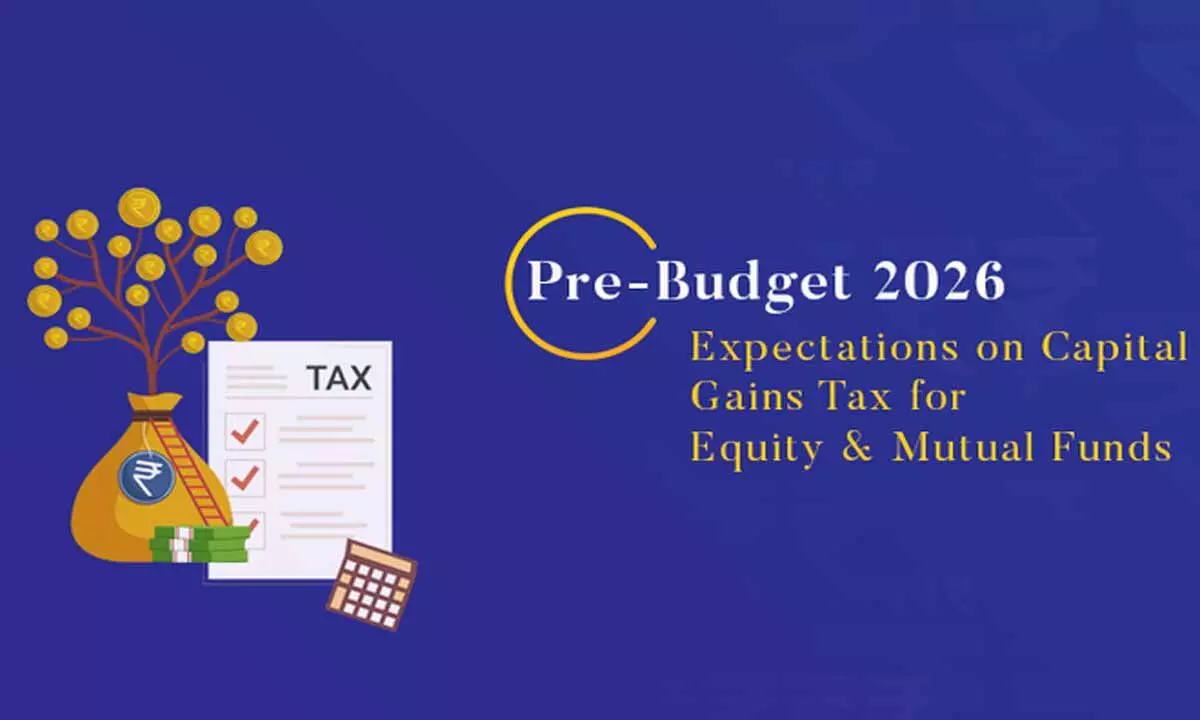
Ahead of the presentation of the Union Budget 2026–27, stakeholders from the education, skilling and technology sectors have outlined their expectations, calling for higher public investment, policy reforms and stronger industry–academia collaboration.
Ahead of the presentation of the Union Budget 2026–27, stakeholders from the education, skilling and technology sectors have outlined their expectations, calling for higher public investment, policy reforms and stronger industry–academia collaboration. Experts believe focused measures on digital learning, research, artificial intelligence, affordability and employability will be crucial to harness India’s demographic dividend and build a future-ready workforce.
Prof (Dr) Amit Jain, President/ Vice Chancellor at Amity University
“In the Union Budget 2026–27, we expect a strong focus on improving education quality, strengthening infrastructure, and aligning learning with future skill requirements. Greater investment in digital learning, research ecosystems, and industry-linked programs will be critical to improving student outcomes and employability. There is also an opportunity to expand support for research through agencies such as DST, DBT, ICMR and ICSSR by enabling more collaborative projects between public and private institutions. This can help build stronger research pipelines and increase India’s global academic competitiveness.
Private universities today educate a significant proportion of India’s students. Recognising them as partners in capacity building, faculty development and innovation can strengthen the higher education ecosystem and help deliver outcomes at scale.”
Rajiv Gowda - Chief Executive Officer, East Point Group of Institutions
As the nation looks forward to the Union Budget 2026, the education sector is hopeful for meaningful reforms and increased investment to address the changing needs of students, educators, institutions and the broader educational landscape. We expect bold reforms that strengthen digital infrastructure, promote AI-enabled learning, encourage industry–academia collaboration, and simplify regulations to foster innovation.
As demand for specialized skills grows, it is crucial to invest in infrastructure and comprehensive training initiatives, capacity-building, research and employability that equip students with the technical expertise required for success in a digital-first world. A reduction in GST on education services is also essential to make learning affordable for middle-class families.
Education is the cornerstone of national progress, and we are optimistic that the reforms will support teacher training, skill-based education, STEM initiatives, scholarships, interest-free loans for economically weaker students, inclusive learning environments and affordable access to quality education in both urban and rural areas. Overall, the education sector eagerly awaits bold measures that will unlock new opportunities and strengthen India’s position as a leading global knowledge hub.
Prof Supriya Pattanayak, Vice Chancellor, Centurion University, Odisha
To fully capitalise on India's demographic advantage and become the global skills capital, Budget 2026 must make skills-embedded higher education the foundation of nation building. The Government should support both private and state-owned institutions by increasing funding by 20% — that is at least ₹10,000 crore — to develop AI-powered, industry-synced experiential labs in 500 tier-2 and tier-3 institutions, along with enhanced research funding, which will help universities like CUTM scale up hands-on training in deep technology, climate-resilient agriculture and allied health science.
Tax incentives and a simpler CSR route for industry–academia partnerships could free up about ₹5,000 crore a year for structured apprenticeships, greatly improving employability for rural and first-generation learners. Making employer-sponsored health coverage mandatory for contractual and gig educators, and speeding up claim processing, would also boost the resilience of the academic workforce.
These measures will close the rural–urban skills gap, align learning with future job needs, and position India as a global leader in inclusive, job-ready education.
Ashish Munjal, Co-founder and CEO, SUNSTONE
Devyani Jaipuria, Chairperson, Dharav High School Pro Vice-Chairperson, DPS International Gurugram & DPS Sector
Building on the strong foundation laid by recent education reforms, the upcoming Union Budget presents an important opportunity to further strengthen India’s education ecosystem. Today, nearly 25 crore children are enrolled in schools, and over 4 crore youth are pursuing higher education reflecting sustained policy focus on improving access across the country.
As India moves into the next phase of educational reform, the focus must increasingly shift towards improving learning outcomes and future readiness. Foundational literacy and skill development continue to require attention, even as the country prepares its youth for a rapidly evolving, digital economy. Strengthening these outcomes is critical to realising the vision of Viksit Bharat and building a globally competitive workforce.
This transformation calls for sustained and strategic public investment in education. A calibrated move towards the long-articulated target of 6 per cent of GDP for education spending would significantly strengthen institutional capacity and learning infrastructure. Equally important is bridging the digital divide. While virtual and blended learning models have expanded learning opportunities, ensuring equitable access to devices, connectivity, and digital classrooms will be key to making these reforms truly inclusive. The upcoming Budget can play a pivotal role in enabling every Indian child to benefit from technology-enabled learning
Pravesh Dudani, Founder & Chancellor, MSU
“As the Union Budget approaches, education and skilling must be backed by targeted financial allocations that convert intent into impact. While the Economic Survey 2024–25 highlights a rise in higher education institutions and an increase in Gross Enrolment Ratio, budgetary spending should now focus on improving access, quality and outcomes. Increased funding for academic and digital infrastructure can strengthen apprenticeship ecosystems, flexible learning pathways, recognition of prior learning, faculty upskilling, responsible AI integration, and digital platforms such as DIKSHA and SWAYAM.”
Kuldip Sarma, Pro-Chancellor & Co-Founder, MSU
“As India prepares for the forthcoming Union Budget, education and skilling must remain central to long-term growth. Increased investment in research and development can help universities convert ideas into industry-ready solutions. Fiscal support for apprenticeships, flexible learning options for drop-outs, improved Gross Enrolment Ratio, inclusive AI adoption, teacher training, and access to technology will be critical to improving both the quality and reach of education.”
Shweta Sastri, Managing Director, Canadian International School, Bangalore
As the Union Budget approaches, we look ahead with optimism that education will continue to receive focused, future-oriented attention. Nurturing well-rounded learners requires strengthening teaching quality, infrastructure, and innovation, with holistic development remaining central. Sustained investment in teacher training, modern learning spaces, and technology-enabled classrooms is essential to fostering inclusion, curiosity, and critical thinking. Empowering educators through continuous professional development and digital upskilling must be a priority, as teachers are the cornerstone of any high-performing education system. A higher allocation would support the establishment of new K–12 schools, strengthen educational infrastructure, bridge the urban–rural education gap, and improve outcomes nationwide—particularly in government schools that serve the majority of India’s children. There is also a timely opportunity to strengthen STEM education and skill-oriented, application-based learning from an early stage, helping students develop and strengthen future-ready skills. Technology integration should remain a key focus, enabling wider access to high-quality, personalised learning resources while advancing equity and inclusion. Lowering interest rates on education loans would further ease financial pressures on families and improve access to quality higher education options. Encouraging partnerships with international institutions and expanding cultural exchange programmes can enrich the education ecosystem, foster global citizenship, and strengthen India’s position as an emerging global study destination. Overall, increased investment in education remains critical to achieving equitable, inclusive, and meaningful learning for all.
Niru Agarwal, Managing Trustee, Greenwood High International School
As the education sector stands at a defining moment, we have immense hopes for significant budgetary allocations in the upcoming union budget. While recent policy reforms have laid a strong foundation, the budget must now focus on translating this vision into measurable outcomes by prioritising increased access to education, upskilling and building technological capacities of the students. This must address the evolving needs of students and educators, especially in rural and underserved regions, which will help empower educators to deliver better learning outcomes. The government should also bring about measures to strengthen skill-based education, ensuring closer alignment between academic curricula and industry requirements. It is equally essential to increase women's participation in STEM fields, which would be an important step toward building an inclusive workforce. A stronger blended learning ecosystem, which integrates digital tools, physical infrastructure, and experiential learning, will further enhance learning outcomes and future readiness. We also see significant value in giving renewed impetus to public–private partnership models in education, as they can effectively harness the complementary strengths of both sectors to enhance quality, expand access, and improve the overall efficiency of the education system. We believe that education is the bedrock of a nation's progress, and this union budget presents an important opportunity to respond to current needs and shape a dynamic, future-ready education system.
Manav Subodh- Founder of 1M1B (One Million for One Billion)
“As the Union Budget 2026–27 is prepared, India needs dedicated investment in climate education and climate infrastructure, city- and district-level climate innovation labs, open climate data platforms, testing and prototyping facilities, and shared access to sensors, energy systems, and net-zero acceleration technologies. These are the foundations on which green jobs and climate skills are actually created. Without physical and digital climate infrastructure, skilling remains theoretical; with it, young people can work on live challenges in energy transition, waste systems, mobility, and climate resilience turning problem-solving into employability. A national Climate Innovation Fund can catalyse this ecosystem, much like digital public infrastructure unlocked India’s tech workforce, and help scale a future-ready, job-creating green economy.”
Siddharth Banerjee, CEO – UNIVO Education
"As we approach Budget 2026, we welcome the Government of India’s continued focus under NEP 2020 on improving the quality, credibility, and outcomes of higher education. With India’s youth forming the world’s largest demographic cohort, investment should focus on building skilled talent, accelerating digital transformation, and strengthening institutional capacity to leverage this dividend. Targeted investments in digital infrastructure can expand high-quality online education at scale, while deeper academia–industry collaboration will ensure curricula remain job-linked and future-ready. This forward-looking budget that embeds AI across the education ecosystem will be critical to developing globally competitive institutions and future-ready talent. Strengthened digital infrastructure will also help online degree programs move firmly into the mainstream, supporting India’s Gross Enrollment Ratio target of 50% by 2035 and advancing the vision of a Viksit Bharat."
Pravesh Dudani, Founder and Chancellor, Medhavi Skills University
"As the Union Budget approaches, education and skilling must be backed by targeted financial allocations that convert intent into impact. While the Economic Survey 2024–25 highlights a 13.8% rise in higher education institutions and an increase in Gross Enrolment Ratio to 28.4% from 23.7% over the last eight years, budgetary spending should now focus on improving access, quality, and outcomes.
Increased funding for academic and digital infrastructure will enable universities to translate innovation into industry-ready solutions, while dedicated fiscal incentives can strengthen the apprenticeship ecosystem and deepen industry participation. Budget support should prioritise flexible learning pathways, recognition of prior learning, and re-engagement of drop-outs to further improve GER.
Additionally, sustained investment in capacity building of teachers and faculty through continuous upskilling, responsible AI integration, and digital pedagogy is essential to ensure equitable, future-ready education. Alongside this, spending should also focus on expanding digital infrastructure through platforms such as DIKSHA and SWAYAM, enhancing broadband connectivity, and promoting inclusive EdTech adoption."
Kuldip Sarma, Pro-Chancellor and Co-Founder, Medhavi Skills University
"As India prepares for the forthcoming Union Budget, education and skilling must stay at the centre of the country’s growth plans. These are the building blocks of long-term progress. Increased investment in research and development can help universities take ideas beyond classrooms and convert them into solutions that industry can actually use.
The apprenticeship system also deserves renewed attention. Well-designed fiscal support can encourage industry to work more closely with students while they are still learning, making real-world exposure part of the education journey rather than an afterthought.
The Budget should also tackle low participation by focusing on improving the Gross Enrolment Ratio. Bringing school and college drop-outs back into the system through flexible learning options and recognition of prior learning will be critical. At the same time, there is a clear need for funding that supports the inclusive use of AI in education, especially for underrepresented communities. Investing in teacher training at the grassroots and improving access to technology will help raise both the quality and reach of education.."
Amit Shukla, General Manager – Head of Indian Operations, Alma Medical Private Limited
“As India’s medical aesthetics and advanced skincare segment continues to gain momentum, the Union Budget offers an important opportunity to support its integration into the broader healthcare ecosystem. In 2026, consumers are increasingly investing in preventive skincare, dermatologist-led interventions, and non-invasive aesthetic procedures, reflecting a clear shift towards wellness-focused, outcome-driven care rather than reactive treatments. Industry estimates indicate that India’s medical aesthetics market is growing at a double-digit CAGR, driven by rising disposable incomes, younger consumers seeking early interventions, and greater acceptance of clinically proven treatments.
To sustain this growth, rationalisation of GST on medical aesthetic devices and consumables would be a meaningful step, as these technologies play a critical role in delivering safe, regulated, and effective treatments. Greater emphasis on healthcare infrastructure, clinical training, and skill development can further strengthen the quality and consistency of care across the country. Enabling practitioners with access to advanced, evidence-backed technologies will help raise treatment standards while improving patient outcomes.
Notably, demand is expanding rapidly beyond metros into Tier II and Tier III cities, where patients are increasingly seeking professional skincare solutions over the counter alternatives. Policy measures that encourage innovation, faster adoption of globally benchmarked technologies, and public–private collaboration will be key. A forward-looking Budget can help ensure that advanced skincare and medical aesthetic solutions remain safe, accessible, and aligned with long term skin health, supporting India’s growing focus on holistic wellness and preventive care.”
Avinash Ojha, Managing Director- RG Hospitals
“ As the Union Budget 2026–27 approaches, healthcare providers are hoping to see practical measures that strengthen capacity without adding to operational strain. The year can become the inflection point where India’s healthcare promise turns into a measurable impact. The conversations are more about whether digital care works or how many seconds it takes to beam an ICU-grade decision into a village clinic without losing a heartbeat.
The need for easier access to long-term, lower-cost financing for hospital infrastructure, along with incentives tied to quality accreditation, would support sustainable expansion. Greater clarity and consistency around reimbursement timelines under public insurance schemes is equally important for maintaining financial discipline across the system. At the same time, a more structured approach to digital health, covering interoperability, electronic records, and reimbursement for teleconsultations, can improve efficiency if backed by clear implementation support. Encouraging domestic manufacturing of medical devices and diagnostics would help stabilise input costs. Finally, targeted investment in clinical and allied health skill development, particularly in non-metro markets, along with simpler approval processes for hospital upgrades, can translate policy intent into real capacity on the ground."
Praneet Mungali, Educationist and Trustee at the Sanskriti Group of Schools, Pune
The Indian education system has seen a sea amount of change as far as making learning based on the 21st century focussing more on NEP skills, improved digital infrastructure, and assessment reforms aligned with NEP 2020. Rapid changes in technology, teaching methodologies, assessment patterns have resulted in inclusion of various modern based amenities and methodologies that require both knowledge, awareness and access to content specific to STEM labs, AI based tools, Robotics and Data science-based exposure.
With all these inclusions the education sector looks forward to a strong and student-oriented investment that will always benefit in building holistic student development. The Budget will help in building a future-ready generation by providing students with early career awareness, practical skills, industrial experience to make the future generation ready for Jobs and increase their employability rate.
We also expect inclusion of budget to provide impactful and effective technical as well as competency-based training to the educators. Budgetary support will also ensure meaningful, on-ground implementation that supports student mental well-being and overall development.
Education sector is hopeful and optimistic that the 2026 Budget will prioritise school education through increased funding for both educators and learners.
Pankaj Priya, Deputy Director and Dean Academics, Birla Institute of Management Technology (BIMTECH) Greater Noida
“In education, addressing cognitive skill gaps alone is not sufficient, and this responsibility cannot be left solely to State governments when the Centre is driving the national skilling agenda. At the higher education level, there is an urgent need to align curricula with Industry 4.0 and emerging technologies such as Generative AI and machine learning. The National Education Policy 2020 recognises this shift and targets that by 2025, at least 50 per cent of students across school and higher education will be exposed to skill-based learning. While the Economic Survey 2024–25 shows that the number of colleges has increased by 13.8% over the past eight years and the Gross Enrolment Ratio has risen from 23.7% to 28.4%, the next phase of reform must clearly pivot towards quality, deep research capacity, and strong employability outcomes—not just expanding access. This Budget is a critical opportunity to transform India’s education system into a globally competitive engine for innovation and future-ready talent. Our aim is to instill a mindset for innovation and entrepreneurship to derive maximum benefits from government initiatives focused on cutting-edge technologies.”
Dr. P. R. Sodani President, IIHMR University
The healthcare sector needs a significant boost, requiring investments in talent, digital transformation, and infrastructure. To further reduce out-of-pocket spending, public health spending needs to increase substantially. The government should effectively utilise the increased public health spending to enhance the capability and capacity of human resources, attract talent, and support training and capacity building, thereby improving the management of healthcare services and facilitating the digital transformation of healthcare, research, and development.
Usha Iyer, Principal & Director, The Green School Bangalore (TGSB)
As we approach the Union Budget on 1st February 2026, there is strong hope that education will receive focused and future-ready support. The education sector requires enhanced budgetary allocation to strengthen foundational learning, teacher training, and infrastructure—especially for affordable private schools that play a critical role in last-mile education delivery.
Key expectations include increased funding for early childhood education, special incentives for green and sustainable school campuses, and greater support for inclusive education covering children with special needs. Rationalisation of GST on educational services and learning materials would significantly ease financial pressure on schools and parents alike.
There is also a need for policy-backed investment in skill-based learning, digital infrastructure, and teacher upskilling aligned with NEP 2020. Encouraging public–private partnerships, offering tax incentives for education-driven CSR initiatives, and simplifying compliance frameworks would empower schools to focus on learning outcomes rather than administrative burdens.
A budget that prioritises equity, quality, and sustainability in education will be an investment in India’s long-term social and economic growth.
Prathima Manohar, Director, Paradise Group, GoodPass and co-curator of One-TAC Udupi circuit
Tourism is one of India’s most underleveraged growth and job-creation engines. While tourism contributes 9–10% of global GDP, India - despite its cultural and geographic depth attracts just 11 million foreign visitors annually. By comparison, Barcelona alone receives over 15 million inbound tourists a year. This gap reflects not a lack of demand, but a persistent failure of policy prioritisation and destination development.
First, India needs a single-window clearance system for tourism and hospitality projects. Today, fragmented approvals across land, environment, local bodies, and utilities delay projects by 24–36 months, raising capital costs in a sector where margins are already low.
Second, tourism jobs are among the strongest bottom-of-the-pyramid employment multipliers. The sector already supports over 40 million jobs, many of them local, dignified, and inclusive; absorbing women, youth, and informal workers into the formal economy at scale.
Third, capital-intensive hospitality projects require renewed investment incentives. Restoring GST input tax credits and offering targeted income-tax rebates, particularly for rural and Tier 2/3 destinations, would unlock long-term capital and accelerate supply beyond metros.
Finally, public investment in destination infrastructure and placemaking is not discretionary....it is economic strategy. If India seeks inclusive growth, tourism must be treated not as consumption, but as nation-building infrastructure.
Praveen Sharma, CEO, REA India
"As India enters the next phase of urban and Tier-2 expansion, Budget 2026 is an opportunity to structurally boost housing demand. Continued focus on affordable housing, more practical home loan tax benefits, and faster approvals through digital governance will be critical to unlocking end-user confidence and sustaining momentum across the real estate sector".
Dr. Yajulu Medury, Vice Chancellor, Mahindra University
“With the Indian higher education system re-positioning itself in sync with NEP 2020, we anticipate an increased allocation of funds in Union Budget 2026 to make universities centres of advanced research and innovation. This should translate to increased investment in emerging areas to foster holistic development and to facilitate better synergy between industry and academia.”
2.Dr. Sanjay Gupta, Vice Chancellor, World University of Design
“As India prepares for Budget 2026, my expectation would be for the higher education sector to be seen not merely as a social sector but as a strategic economic investment. The next phase of India’s growth will be driven by innovation, advanced manufacturing, creative industries and digital transformation. All of these depend on strong design and interdisciplinary education. We hope to see dedicated funding for design-led R&D, creative-technology labs, and industry-linked universities that translate knowledge into products, services and cultural exports. Supporting institutions that integrate design, technology, sustainability and entrepreneurship will help India move from being a cost-competitive economy to a globally competitive innovation economy.”
3. Dr. Anita Patankar, Executive Director, Symbiosis Dubai
“As India approaches the Union Budget, there is a strong expectation that higher education will receive focused support aligned with global competitiveness. Increased investment in interdisciplinary learning, digital infrastructure, and faculty development will be critical to preparing students for rapidly evolving job markets. Support for international collaborations and mobility will further strengthen India’s academic influence worldwide. The Budget should also emphasise affordability, stronger industry–academia linkages, research-driven education and skill-based education so that Institutions can contribute meaningfully to employability, innovation, and the long-term growth of India’s knowledge economy.”
Dr Sanjeev Vidyarthi, Provost, Anant National University
"Ahead of the Union Budget 2026, the education sector is looking for measures that strengthen financial sustainability and enable innovation. One critical step would be the removal of GST on university-related expenses. Since universities are not eligible for input tax credit, GST becomes a direct and non-recoverable cost, placing significant financial strain on institutions. Rationalising this would allow universities to redirect resources towards improving academic quality, infrastructure, and student outcomes.
There is also a strong need for targeted financial support for design education, which plays a vital role in nurturing creative, systematic, and solution-oriented thinking, capabilities that are essential for nation-building. Further, providing seed funding to universities established under the State Private University Act, along with structured support for student start-ups during their academic journey, would significantly strengthen India’s innovation and entrepreneurship ecosystem."
Muneer Ahmad, Managing Director, ViewSonic India
As India accelerates its journey towards a technology-driven future, the upcoming budget is a key opportunity to strengthen digital learning and embrace emerging technologies. Digital education has become central to modern learning, enabling students and educators to access interactive, immersive, and personalized experiences. Policies that support affordable devices, high-speed connectivity, and smart classroom solutions will be vital to bridging the urban-rural learning divide. Investing in technologies such as AI and cloud-based platforms can enhance educational quality while preparing students with the skills needed for the global knowledge economy. Incentives for technology adoption in schools and skill development centres can accelerate this transformation, creating a digitally empowered workforce.
Soham Chokshi, Co-founder and CEO, Shipsy
"For India to emerge as the world’s third-largest economy, the Union Budget must move beyond fragmented interventions and adopt a unified, outcome-driven approach. A decisive focus on lowering logistics costs is essential to making Indian manufacturing globally competitive. This can be achieved by strategically integrating three national strengths: continued infrastructure investment, the scale and ambition of the Make-in-India initiative, and India’s vast AI and engineering talent. By enabling AI-led optimization across supply chains, production, and logistics, the government can unlock productivity gains, reduce systemic inefficiencies, strengthen exports, and meaningfully advance the vision of Viksit Bharat."
Dr Debojyoti Dhar, Cofounder and Director, Leucine Rich Bio
"As we approach the Union Budget 2026-27, the healthcare sector is at a crucial moment. India currently spends around 2.2% of GDP on public health, still below the National Health Policy target of 2.5% and global economies, despite the needs of healthcare rising sharply. We believe the 2026 Budget should give priority to incentives for preventive and personalised healthcare, particularly microbiome-based diagnostics and research. With more Indians focusing on gut health and overall wellness, lower GST on clinical diagnostic services and stronger support for health-tech startups would make these options more accessible. We also hope to see dedicated funding for national nutrition and preventive-care programmes. This would help detect metabolic, gut-related, and lifestyle diseases earlier and reduce the burden on hospitals."
Piyush Goel, Founder and CEO of Beyond Key
”Looking ahead to 2026, we estimate global tech investment to rise as organizations prioritize digital transformation, data-driven decisioning, and AI-powered automation. Organizations are focusing more on integrated ecosystems and secure cloud-native solutions. Budget plannings are going towards structured, outcome-oriented digital frameworks in areas like AI regulation, predictive analytics, and real-time data intelligence, shifting away from experimental investments. We anticipate that CIOs will devote a larger amount of their technology budgets, nearly 15-18% more than last year, to modernization programs targeted at improving resilience, performance, and customer experience. For IT companies, this signals stronger demand for enterprise-grade platforms that deliver measurable ROI and compliance-ready innovation. We expect budget allocations to increasingly favor vendors who can combine technical expertise with strategic advisory, ensuring digital investments translate into long-term business value."
Saurav Bhaik CEO & Founder at Tagbin
”Over the last few years, technology has moved from being a backend tool to becoming the front face of how people engage with ideas, institutions, and brands. That shift needs to be recognised more clearly in the way the ecosystem is supported. Creative technology today sits at the intersection of storytelling, design, and deep tech, and it requires a very different kind of investment mindset.
From this budget, the expectation is a stronger push towards innovation infrastructure that supports emerging technologies like immersive media, AI-led experiences, spatial computing, and digital storytelling. These are no longer experimental areas. They are being deployed at scale across public spaces, museums, exhibitions, and large consumer touchpoints, and they require sustained investment in talent, R&D, and execution capabilities
There is also an opportunity to support Indian companies building original intellectual property in this space. Encouraging homegrown platforms, experience-led products, and export ready creative technology can help position”.
Dilip Gangaramani, Founder Director & CEO, Target Learning Ventures
"As we approach the Union Budget for 2026-27, the education sector stands at the point of transformative change, driven by advancements in technology and artificial intelligence. We expect a significant push towards integrating these innovations into classrooms, as per NEP directives, ensuring students are equipped with the skills to thrive in a digital world. The budget should prioritize developing robust digital infrastructure and introduce new-age courses like drone technology, AI, 3D printing and Design, robotics, app development and sustainable technologies. These courses will equip students with practical knowledge and critical thinking skills, preparing them for future career opportunities.
The focus should not only be on technology but also on empowering educators to integrate modern tools into their pedagogy. Lastly, there’s a need for play-based educational tools that extend beyond academics, fostering children’s safety awareness and life skills. Age-appropriate, experiential learning models can help children understand personal safety and navigate real-world challenges. We hope the budget reflects a commitment to integrating these holistic approaches, ensuring a well-rounded education that nurtures cognitive, emotional, and social development."
Anant Bengani, Co - Founder & Director - Zell Education
“As India charts its path toward a Viksit Bharat, the Union Budget 2026 presents a pivotal moment to accelerate the nation’s human-capital transformation. We expect targeted investments in digital learning infrastructure, inclusive broadband access, and next-generation EdTech platforms to ensure that quality education reaches every learner, whether in metros or rural districts. There should be strong support for skilling and upskilling initiatives aligned with industry needs, particularly in emerging fields like AI, data science, and advanced digital technologies. Strategic budgetary measures that reduce barriers for lifelong learning and foster an industry-ready workforce will be key to bridging the gap between education and employability. By prioritising digital empowerment and skill development, the Budget can unlock equitable opportunities and position India’s youth for success in the global knowledge economy.”
Dr Mahesh M CEO Creaticity
With the 2025 Union Budget, we hope to see a continued progressive approach toward bolstering the furniture and interior decoration industry, which is a key contributor to India's growth story. As consumer preferences evolve and demand for sustainable and innovative solutions rises, we urge the government to provide incentives for adopting green practices and using eco-friendly materials, be it in manufacturing or retailing.
Reduction in GST rates for furniture and interior products could significantly drive the shift from the unorganized market and drive organized growth while encouraging consumption. Additionally, increasing budgetary allocations for infrastructure and real estate will
indirectly benefit our sector by spurring demand for quality home and office interiors. Furthermore,policies that promote skill development and manufacturing under the Make in India initiative will help to position India as a global hub for furniture exports along with new employment generation. Equally reduction in import duties from European furniture manufacturers and brands will raise the competitiveness in the market to make it truly world class. There is no doubt that furniture is a sunrise industry which can contribute signifcantly to the Indian economy as well as our image in the global stage".
Dr Sanjay Salunkhe, Founder, Jaro Education
“As India prepares for the upcoming Union Budget, we hope to see continued recognition of education as a core driver of long-term economic growth and the Viksit Bharat vision. Building workforce readiness through outcome-led skilling, industry-aligned learning, and practical capabilities will be crucial as India’s young and working population navigates an increasingly competitive, skills-driven job market. Focused support for digital and online education can further expand access to credible higher and executive education for working professionals across regions and cities.
Strengthening India’s higher education ecosystem through globally competitive curricula, research-led learning, and deeper university industry collaboration will be critical to developing future-ready talent at scale. We also look forward to policies that encourage closer collaboration between academia, industry, and education providers, enabling learners to apply academic learning to real business and workplace contexts.
With careers evolving continuously, lifelong learning and ongoing upskilling, particularly in areas such as AI, digital systems, leadership, and management are becoming essential. At the same time, learning flexibility must be supported by strong academic rigor and institutional credibility. A budget that prioritizes inclusion and recognizes edtech as a key contributor to access, quality, and learner outcomes will reinforce confidence in India’s human capital as the foundation for sustained productivity, innovation, and global competitiveness."
Anant Bengani, Co - Founder & Director - Zell Education
"As India charts its path toward a Viksit Bharat, the Union Budget 2026 presents a pivotal moment to accelerate the nation’s human-capital transformation. We expect targeted investments in digital learning infrastructure, inclusive broadband access, and next-generation EdTech platforms to ensure that quality education reaches every learner, whether in metros or rural districts. There should be strong support for skilling and upskilling initiatives aligned with industry needs, particularly in emerging fields like AI, data science, and advanced digital technologies. Strategic budgetary measures that reduce barriers for lifelong learning and foster an industry-ready workforce will be key to bridging the gap between education and employability. By prioritising digital empowerment and skill development, the Budget can unlock equitable opportunities and position India’s youth for success in the global knowledge economy.”
Ram Medury, Founder & CEO, Maxiom Wealth
“Budget conversations often circle back to the same question for salaried Indians. Will this be the year taxes finally feel fairer. Budget 2026 has created that expectation. There is growing talk of raising the 30 percent slab, smoothing the steps in between, and possibly linking tax slabs to inflation. For middle class households any tax talk is a potential relief for their monthly cash flows.
Indian salaries grow gradually, but tax slabs remain unchanged for long periods. Over time, people pay a higher share of tax without feeling richer. Many developed economies adjust tax brackets automatically, so inflation does not quietly push people into higher taxes. India does not do this yet, which is why the debate around indexation is gaining ground.
India also sits in a unique spot globally. Personal income tax collections are lower than in OECD countries, but families here spend far more from their own pocket on health, education and retirement. That gap explains why the tax burden feels heavier than the numbers suggest.
If Budget 2026 moves toward a simpler New Tax Regime with clear savings incentives, along with GST simplification and sustained spending on infrastructure, green energy and MSMEs, confidence can improve. Predictable policies can help businesses invest in growth, and households can plan better. To sum up, a fair and globally competitive tax system is our aspiration for Budget 2026 which strengthens both growth and long term wealth creation.”
Ravin Nair, Managing Director, QS I-GAUGE
"We look forward to seeing a meaningful increase in this year’s budget to strengthen skilling, accelerate digital transformation, and invest in infrastructure to improve learning outcomes, particularly in underdeveloped and rural regions. Amid changing geopolitical dynamics, India is increasingly viewed as a stable, consistently growing economy, and a strong education budget will be critical in reinforcing our ambition to emerge as a global educational hub. The National Education Policy's goal of increasing the education spending to 6% of GDP will go a long way in helping us achieve this goal”
Rohit Garg, Founder and CEO, Olyv
As India’s credit ecosystem evolves, the focus in this Budget should be on deepening trust, transparency, and access within the formal lending system. Clear and consistent policy frameworks for digital lending, stronger data infrastructure, and continued emphasis on financial literacy can go a long way in ensuring credit reaches the borrowers responsibly. A Budget that strengthens collaboration between fintechs and regulated lenders, while keeping consumer protection at the core, will be key to building a resilient and inclusive financial system.
Shubham Gupta, CFA, Co-founder, Growthvine Capital
As we move closer to the Union Budget 2026, there are some obvious trends emerging among customers and business investors related to their need for a banking and lending environment (i.e., ecosystem) that meets three criteria: ease of use, forecastable or predictable outcomes, and scenic attraction through support of financial wellbeing for the long term.
Regarding taxes, when customers have a defined and transparent direct tax structure, it provides higher disposable income and subsequently encourages consumers to save, invest, and utilise credit responsibly.
From the perspective of the lending and banking community, the simplification of the Goods and Services Tax (GST) and the development of smoother mechanisms for accessing input credits will eliminate many of the barriers faced by businesses in utilising their credit, thus increasing their level of demand for accessing credit. At the same time, maintaining fiscal discipline will keep inflation and borrowing costs low, which directly correlates to the affordability of loans for consumers and the level of confidence that investors have in the companies in which they are investing.
The sustained level of investment in the area of infrastructure (especially, transportation, logistics, manufacturing and the development of digital public infrastructures) will significantly contribute to the increase in credit growth, job creation, and overall economic productivity. For investors, creating a stable and predictable structure related to the taxation of capital gains and re-evaluating the structure of the taxation of securities transactions will have a favourable impact on reducing transaction costs for making investments and, therefore, enhancing their overall participation in the marketplace, which will positively affect the level of confidence in the financial system in India.
Prashant Mishra, Founder & CEO, Agnam Advisors
The new budget is an opportunity for banks and lending companies to build customer and investor confidence by making the tax process easier and clearer. Adding critical deductions, like the interest on housing loans and medical insurance, will also make it easier for individuals to comply with the tax laws and allow them to save, invest and pay their debts with more disposable income.
Providing additional tax incentives for retirement savings and long-term investment vehicles will help create a more consistent and stable capital formation environment. Providing clear guidelines regarding tax liability for family offices and partnerships will help increase transparency and efficiency in the financial marketplace.
As demographic trends change, there will be more opportunities to assist senior citizens and families, which should result in a decrease in financial stress. When combined with fiscal responsibility and customer-focused reforms, the new budget will increase consumer confidence in banks, increase the flow of capital for credit, and create a long-run generation of investor confidence.
Pramod Kathuria, Founder & CEO, Easiloan
“For a borrower, tax certainty is a key factor in the decision-making process regarding long-term financial commitments, one of which is the taking of a mortgage. Tax rates affect the cost of borrowing but the certainty around the treatment of deductions, rebates, and capital gains is often the main factor deciding when and how boldly one steps into the market. In 2026, the budget proposals that would not only revolutionize the tax system but also maintain the status quo in terms of tax benefits and erode the grey areas especially for the employees and the people buying their first home will vastly contribute to the emergence of responsible borrowers and the sustenance of the housing demand influx.
Shantanu Rooj, Founder and CEO, TeamLease Edtech
“As AI-led disruption reshapes jobs at an unprecedented pace, the gains in productivity will accrue largely to organisations, while workers face growing risks of role displacement. In the upcoming Union Budget, a mandated 1% allocation of corporate profits toward workforce upskilling, could create a dedicated national reskilling pool without materially burdening businesses. At scale, such a mechanism would unlock sustained funding to support role transitions and prepare India’s workforce for new-age, AI-enabled jobs.”
Vivek Iyer, Managing Director, D2L India
“As the Central Government prepares to present Budget 2026, there is a clear opportunity to prioritize a digital-first education architecture that is as dynamic as the modern learner. Education must be supported as a continuous, tech-enabled journey, where public investment focuses on building integrated platforms that track progress, personalize content delivery, and adapt to individual learning trajectories in real-time.
From this year’s budget, we expect a strong focus on strengthening the digital backbone of our institutions. A forward-looking budget should incentivize the adoption of centralized learning environments that make it seamless for students to stack credentials, bridge skill gaps, and navigate their own education pathways with precision and speed."
Shivendra Nigam, CFO, Cantabil
"Last year’s Budget set the tone for stronger consumption through direct tax benefits, later on fuelled by GST 2.0 support and we are already seeing the positive impact reaching customers. For Budget 2026, we believe it is vital to extend momentum towards the retail sector an industry that contributes nearly 10% to India’s GDP and stands at a pivotal point of growth with a population of nearly 1.5 billion. A unified Retail Policy could act as a key enabler by simplifying regulations, easing compliance, and improving the overall ease of doing business. A unified framework would help both established and emerging brands operate more efficiently and unlock the sector’s true potential in the coming decade".
Sonal Arora, Country Manager, GI Group Holding.
"We hope that the Union Budget 2026 will build on the initiatives taken in 2025 and earlier years to further incentivize new employment creation, particularly in manpower-intensive sectors such as Manufacturing, BFSI, GCCs, Retail, E-commerce, and Logistics, as well as in new-economy industries like EVs and Renewable Energy.
The trajectory of incremental job creation in India will also depend significantly on how effectively the persistent gap between hiring intent, industry needs and skill availability are addressed. At a policy level therefore, the push on skilling and employability needs to intensify, with sharper alignment to industry needs. At the same time, industry across sectors would benefit from further improvements in ease of doing business and regulatory simplification.
There also needs to be a much stronger policy push to increase women’s participation in the workforce, both for new entrants and for retention. Even today, only about one-third of working-age women are part of the labour force, despite recent improvement. Budget 2026 should consider targeted incentives for companies that hire and retain women, along with support for flexible work models and childcare infrastructure. Focused skilling programs for women across sectors will also be critical. This is one of the fastest ways to unlock both inclusive growth and large-scale job creation."
Shantanu Rooj, Founder and CEO, TeamLease Edtech
“As AI-led disruption reshapes jobs at an unprecedented pace, the gains in productivity will accrue largely to organisations, while workers face growing risks of role displacement. In the upcoming Union Budget, a mandated 1% allocation of corporate profits toward workforce upskilling, could create a dedicated national reskilling pool without materially burdening businesses. At scale, such a mechanism would unlock sustained funding to support role transitions and prepare India’s workforce for new-age, AI-enabled jobs.”
Radhika Kalia, Managing Director, RLG Systems India Private Limited
“Fiscal design significantly influences waste flows. High GST rates of 18% and complex compliance mechanisms disproportionately burden formal recyclers that invest in automation, pollution control, and traceability. Extending production-linked incentives to e-waste and battery recycling, alongside rationalising GST on recycling services and equipment, could materially improve sector economics and accelerate formalisation. This is particularly critical given the strategic role of urban mining. E-waste recycling alone has the potential to meet up to 70% of India’s rare-earth demand, reducing import dependence across electronics, EVs, and renewable energy systems. Budget 2026 could therefore introduce incentives to strengthen integrated battery recycling, rare-earth recovery facilities, and continue customs duty exemptions for critical mineral waste. These measures now carry clear industrial and geopolitical significance.”
Mythri Kumar, Co Founder, TimBuckDo
“As India stands at the threshold of its next phase of economic transformation, the Union Budget 2026 must be forward-looking, inclusive, and growth-centric.
For the gig economy, a vibrant engine of flexible work and entrepreneurship this Budget should deliver concrete social security and fiscal incentives that recognise the unique nature of platform-based work. Extending benefits like portable social security cover, healthcare access and tax relief for gig workers will help formalise and empower millions who contribute significantly to India’s digital-first workforce. 
We also believe that meaningful tax reforms and relief for individuals and businesses including revisiting income tax slabs and enhancing deductions can boost consumer confidence and stimulate demand across sectors. Affordable housing and real estate incentives remain critical to broad-based economic growth, and reforms in this segment will support job creation and household investment. 
In sum, Budget 2026 should not just balance the books it must anchor India’s competitive edge, enhance workforce welfare, and unlock opportunities for all segments of the economy, keeping the nation on a sustainable growth trajectory towards its long-term vision.”
Prof. P S Sastry, Dean & Distinguished Professor, School of Engineering and Technology, Vidyashilp University
With the Union Budget 2026 approaching, the Indian media has been actively covering pre-budget expectations from education and industry leaders. I kindly request you to consider a pre-budget insight from Vidyashilp University. Below is the quote for your reference:
As the Viksit Bharat Shiksha Adhishthan Bill, 2025 raises expectations around compliance and accreditation, it is vital that the Budget also enables smaller universities to participate meaningfully in research. Even modest, well-structured funding for small research projects and basic lab infrastructure can make a decisive difference. Without such support, capable institutions and regional talent risk being inadvertently disadvantaged. Thoughtful funding provisions will ensure that regulatory reform strengthens, rather than narrows, India’s academic and research ecosystem.”
Kuldip Raina, Managing Director & CEO, Shalimar Paints
Sustained government support for housing, infrastructure and manufacturing continues to shape the growth trajectory of the paints industry. The Union Budget 2026 is expected to further strengthen this momentum by supporting real estate growth in Tier II and Tier III cities, which will drive the consumption of interior and exterior paints. Increased CAPEX on infrastructure will directly increase the demand for industrial and protective coatings. Public infrastructure spending on roads, bridges, railways, industries and airports will require specialized water-based and solvent-based coatings such as road marking paints, heat protectant coatings and anti-rust coatings.
From an industry standpoint and under the Make in India push, rationalized taxes and customs duties are expected to enable paint manufacturers to better innovate products, increase expenditure on R&D, invest higher capital in manufacturing and reduce cost of production. Rationalized customs duties on raw materials such as titanium dioxide, resins, pigments and additives will reduce input costs and improve value for money for end-users. If the budget continues with favourable measures that support household demand through reduced GST and tax relief, the industry can see a reduced repainting cycle and higher consumption of premium paints. With a lower tax burden on income, higher disposable incomes among individuals can increase spending on quality of life, directly impacting manufacturing demand and premiumization.
In a highly competitive market, the real impact will depend on how effectively companies differentiate themselves through faster innovation, deeper investment in manufacturing and R&D, and the ability to deliver consistent value for money at scale. With government target spending in rural India, there is strong potential for the upgradation of raw, unpainted and limewashed walls to durable interior and exterior applications using economic emulsion and distemper coatings. Translating this potential into outcomes will require policymakers to enable access and the industry to work together to build trust, distribution and relevance on the ground, ensuring measurable transformation across rural India and more inclusive growth for the paints industry and the economy.
Dr Tristha Ramamurthy, Founder, Ekya Schools | Vice President, CMR Group of Institutions
"As we look ahead to Budget 2026, there’s an opportunity to see education funding as an investment in national capability, not just infrastructure. Aligning fiscal policy with learning outcomes by recognizing skill-based certifications, supporting great educators, and enabling schools to innovate that can create real impact. Extending R&D-style benefits to education would encourage evidence-based experimentation in classrooms. As envisioned by NEP 2020, budgets must also acknowledge learning beyond classrooms, through experiential pathways, community engagement, and real-world exposure that prepare students for an increasingly complex future."
Radhika Kalia, Managing Director, RLG Systems India Private Limited
“Fiscal design significantly influences waste flows. High GST rates of 18% and complex compliance mechanisms disproportionately burden formal recyclers that invest in automation, pollution control, and traceability. Extending production-linked incentives to e-waste and battery recycling, alongside rationalising GST on recycling services and equipment, could materially improve sector economics and accelerate formalisation. This is particularly critical given the strategic role of urban mining. E-waste recycling alone has the potential to meet up to 70% of India’s rare-earth demand, reducing import dependence across electronics, EVs, and renewable energy systems. Budget 2026 could therefore introduce incentives to strengthen integrated battery recycling, rare-earth recovery facilities, and continue customs duty exemptions for critical mineral waste. These measures now carry clear industrial and geopolitical significance.”
Dr. Dhruv Galgotia, CEO, Galgotias University
As the Union Budget 2026 approaches, there is a strong expectation that the education sector will continue to receive focused and future-oriented attention. Long-term investment in school and campus infrastructure, digital learning platforms, and faculty development is important to strengthening learning outcomes. Equally important is to continue emphasis on teacher training, modern learning environments, and technology-enabled classrooms that promote inclusion, curiosity, and out-of-the-box thinking.
Increased support through scholarships, affordable education financing, and research funding can help ensure that quality education remains accessible to students from all backgrounds. A forward-looking budget focused on skills, innovation, artificial intelligence, and global exposure can empower universities to nurture confident, future-ready graduates who are well equipped to contribute meaningfully to India’s progress.
S. Sunil Kumar, Country President, Henkel Adhesives Technologies India
“With batteries accounting for nearly half the cost of an electric vehicle, battery policy now sits at the centre of EV affordability, supply resilience, and competitiveness. What the ecosystem needs is a coherent, end-to-end framework that supports materials, manufacturing, integration, and recycling as a single system. Localisation at this stage is not about import substitution; it is about building durable cost structures through scale, learning curves, and design optimisation. Battery investments have long gestation cycles, and only long-term policy certainty can unlock the capital required to make EVs affordable at scale. Union Budget 2026, therefore, presents an opportunity to reinforce this long-term direction and create the conditions for sustained investment across the battery value chain.
As global battery supply chains remain concentrated and exposed to disruption, Union Budget 2026 has an opportunity to position battery localization as a resilience and sustainability imperative. A strong policy ecosystem must enable domestic control over availability, quality, and timelines while embedding traceability, recycling, and circularity by design. Proximity between manufacturing, usage, and end-of-life processes simplifies compliance and accelerates innovation. If executed well, localized battery ecosystems will shift batteries from being a cost constraint to a strategic advantage. This will power EV adoption as well as India’s broader industrial future”.
Sunil Tyagi- Co- Founder and Director at Icon Nurturing Innocence Preschool
“As India steps into the new financial year, the 2026 Budget should prioritize the growth of early childhood education and the preschool sector. Reducing corporate tax rates for educational institutions and allowing faster depreciation on infrastructure, play equipment, learning materials, and technology investments would ease the burden on small and mid-sized preschools. Incentives for teacher training and child development programs especially in areas like play-based learning, emotional wellness, and early literacy will help centres build stronger teams and deliver better outcomes for young children. A stable policy framework with dedicated support for early education will enable more quality preschools to open, create jobs for educators, and also lay a strong foundation for the nation’s future.”
Mukul Tyagi- Co-Founder and Director Icon Nurturing Innocence Preschool
"For many young entrepreneurs starting pre schools and early learning centers across India, if the 2026 budget creates the right environment, the industry will boom. The Budget should make low-cost funding more accessible for early childhood education ventures so they can build safe spaces, hire trained caregivers, and invest in quality materials. Simplifying GST and compliance requirements for smaller preschools would cut unnecessary costs and let owners focus on nurturing children rather than paperwork. Prioritizing government and institutional partnerships with quality preschools, along with incentives for adopting child-friendly Indian curricula and tools, would strengthen the domestic early education ecosystem. These measures will give local preschools the support they need to expand, maintain high standards, and prepare every child for a brighter future.”
Bhavesh Goswami, CEO & Founder, CloudThat
"With India emerging as the skills capital of the world, especially in niche areas like AI, and with millions more needing to be upskilled to realise the vision of Viksit Bharat, investment in education and skilling is non-negotiable. One immediate step would be to reduce GST on skilling programs to zero or at least the 5% slab. Equally important, government support must go beyond allocations on paper; it must ensure that funds are actually spent, and spent effectively, to achieve measurable outcomes.
In the Union Budget for 2025-26, we saw a dedicated allocation of ₹500 crore to set up a Centre of Excellence for AI in Education. We want this momentum to continue and for India to take larger strides in the same direction.”
Ganesh Kohli, Founder of IC3 Movement
India’s ambition to emerge as a global education destination will be shaped not only by physical expansion or international collaborations, but by how effectively students and families are supported to navigate choice within an increasingly complex education ecosystem. Across Indian and international boards, there is a clear shift toward skills-based learning, flexible pathways, and competency-driven assessment, reflecting a national move beyond exam-centric outcomes.
This direction is further reinforced by NITI Aayog’s emphasis on academic quality, deeper global collaboration, research integration, and institutional readiness. As transnational education models evolve and student pathways become more interconnected, the ability to interpret choice and make informed decisions becomes central to student success.
To translate these reforms into meaningful outcomes, career and academic guidance must be recognised as core educational infrastructure rather than an optional service. Budget 2026 presents a timely opportunity to strengthen counselling capacity at the school level, ensuring students are equipped to understand flexibility early, align learning with aspiration, and progress with confidence.
A globally credible education system ultimately rests on students who understand their pathways and move through them with clarity, confidence, and purpose.
Aritra Ghosal, Founder and CEO, OneStep Global
“As India moves toward its goal of becoming a global higher education hub, Budget 2026 must prioritise the systems that turn student interest into lasting outcomes. Attracting international students is only the first step; what truly matters is whether institutions can deliver recognised qualifications, research exposure and credible career pathways at scale. International credentials do not create value on their own unless they are supported by strong industry linkages, employer recognition and on-ground student success frameworks. The NITI Aayog roadmap rightly emphasises quality and governance. What India now needs are robust recruitment, conversion and academic delivery mechanisms that give students confidence that studying in India leads to meaningful academic and professional returns.”
Tripti Maheshwari, Co-Founder & Director, Student Circus
“As India moves toward its ambition of hosting over one million international students by 2047, Budget 2026 becomes a decisive moment to shift from policy intent to on-ground delivery. The NITI Aayog roadmap makes it clear that growth without quality will not build a sustainable global reputation, and this must be reflected in how funding and incentives are designed. Investment should focus on globally benchmarked curricula, strong research ecosystems and transparent quality assurance across institutions.
With foreign universities expected to expand their presence in India, success will ultimately be judged by student outcomes rather than the number of campuses created. International students increasingly choose destinations based on employability, industry linkages and post-study career prospects. Budgetary support that encourages industry-integrated learning, international faculty collaboration and outcome-linked funding can significantly strengthen India’s credibility as a competitive, value-driven study destination.”
Omar Chihane, Global General Manager, TOEFL, ETS
“As India looks ahead to the Union Budget 2026–27, the focus must shift from intent to execution in building a globally competitive education and skills ecosystem. Over the past few years, the foundations for internationalisation and workforce readiness have been laid; the next step is ensuring scale, quality, and outcomes.
Priority should be given to embedding globally benchmarked language proficiency and skills assessments across secondary and higher education, so students are internationally prepared well before graduation. Equally important is investing in transparent, credible assessment and testing infrastructure that supports mobility, employability, and trust in Indian talent worldwide.
The Budget also presents an opportunity to strengthen India’s position as both a source and destination for global talent. Targeted funding for merit-based scholarships, joint research pathways, and international faculty and student exchange programmes can help retain knowledge, drive innovation, and deepen global collaboration. With sustained public–private partnerships and outcome-linked investments, Budget 2026 can play a defining role in positioning India not just as a talent supplier, but as a global education and assessment hub.”
Pushkar Saran, Executive Director – Southeast Asia and South Asia, Institutional Products, TOEIC, ETS
“India’s skilling challenge today is not about scale, but about workplace readiness and credibility. As labour market signals clearly show, the fastest-growing roles across AI, technology, healthcare, GCCs and global services increasingly require professionals who can communicate clearly, collaborate across borders and function in hybrid, AI-enabled workplaces. Yet a large proportion of job-seekers continue to feel unprepared for these real-world demands, despite having formal qualifications.
With India sitting at a unique demographic and geographic advantage, supplying talent both within the country and to global labour markets, workplace communication, particularly in English, has become a decisive employability factor. Budget 2026 presents a critical opportunity to strengthen India’s skilling architecture by moving beyond training volumes to standardised, job-relevant validation of workplace skills, aligned with employer expectations globally. Without addressing this skills-validation gap, India risks under-leveraging its talent potential at a time when global demand for Indian professionals is rising.”
Thyagu Valliappa, Founder, Sona Centre for Advanced Learning and Entrepreneurship (SCALE)
“Ahead of the Union Budget, expectations are high from the Government’s proposed ₹60,000 crore national skilling programme and the establishment of five National Centres of Excellence. While the intent aligns with India’s long term workforce priorities, the focus must shift towards depth, decentralisation, and measurable employment outcomes. India has several high quality engineering and polytechnic institutions, yet many remain under supported and heavily dependent on student fees, limiting their ability to upgrade infrastructure and deliver industry aligned training at scale.
Strengthening these institutions through a hub and spoke model can extend advanced manufacturing, digital engineering, and innovation led skills to Tier 2 and Tier 3 cities. Skilling must go beyond technical instruction to include adaptability, critical thinking, and multi skill capabilities, as over 50 per cent of future roles are expected to require new age skills. The Budget presents an opportunity to translate skilling investments into sustainable, high value job creation.”
Aatash Shah, SVP & Business Head, Manipal Academy of BFSI
As the nation moves closer to the $7 trillion economy ambitions, I’m optimistic that the upcoming Union Budget 2026 will be a landmark Human Capital budget – one that focusses on shaping glocalized talent of professionals blending digital fluency with regional context.
With the BFSI sector growing dynamically, hiring intensity is projected to rise to 8.7% in 2026 and touch 10% by 2030. Hiring is also shifting to tier II and III cities as fintechs and banks decentralize their operations.
I foresee learning and skilling to become perpetual and integrated to bridge the increasing employability gap and foster tech literacy. By treating AI as a core infrastructure and competency, the budget can accommodate funding and tax incentives for enterprises to encourage continuous upskilling initiatives and further increase industry-academia collaborations.
Amol Goel, Founder & CEO, Louis Stitch
“The Indian footwear and leather goods industry sits at a crucial inflection point as we head into the Union Budget. With India being the world’s second-largest producer of footwear but still under-indexed in value-added exports, the focus must now shift from volume to value, design, and brand-led manufacturing. We believe the upcoming Budget should prioritise rationalisation of GST on premium footwear and leather accessories, as the current inverted duty structure continues to impact margins and consumer pricing. A more uniform tax regime across materials, components, and finished products will significantly improve supply-chain efficiency and compliance.
From a manufacturing standpoint, targeted incentives for modernisation of leather processing, automation in cutting, stitching and finishing, and adoption of Industry 4.0 technologies can help Indian manufacturers improve consistency, reduce wastage, and meet global quality benchmarks. Access to low-cost, long-tenure credit and expanded PLI-style support for the footwear and leather goods sector will further accelerate capacity building.
Skill development remains another critical pillar. The industry employs millions, yet there is an urgent need for structured skilling in pattern engineering, design development, quality control, and sustainable leather processing. Budgetary support for training clusters and collaboration with design institutes can strengthen India’s position as a design-led manufacturing hub. As a homegrown brand, Louis Stitch strongly believes that with the right policy support, Indian footwear and leather goods brands can successfully move up the global value chain, reduce import dependence in the premium segment, and establish India as a credible source of high-quality, responsibly made fashion and lifestyle products for the world.”
Dikshu C. Kukreja, Managing Principal of CP Kukreja Architects
India’s urban infrastructure is no longer just a support system for growth; it is a determinant of economic productivity, climate resilience, and social equity. The nearly ₹97,000 crore allocation to the Ministry of Housing and Urban Affairs in the 2025–26 Budget last year signals a clear recognition of this shift, strengthening programmes such as PMAY (Urban) and core investments in water, sanitation, and urban services.
Instruments like the Urban Challenge Fund and the Urban Infrastructure Development Fund are particularly important because they move the conversation from isolated projects to integrated city-making, supporting transport-linked development, compact urban form, and viable public-private partnerships.
As sustainability frameworks mature through construction-waste regulations and green building codes, the next step must be fiscal incentives that reward low-carbon construction, adaptive reuse, and material efficiency. Equally critical is embedding professional design and planning expertise at the earliest stages of budgeting and project conception. When spatial strategy and climate thinking are built in from the start, cities perform better, not just economically, but socially and environmentally.
Manish Bansal, Director, Window Magic
“As we approach the Union Budget 2026, the building materials and fenestration sector stands at a critical inflection point, closely linked to India’s housing, infrastructure, and urban development ambitions. With a growing emphasis on sustainable construction and energy-efficient buildings, there is a strong opportunity to accelerate the adoption of high-quality, Made-in-India uPVC and aluminium window and door systems.
We believe the upcoming Budget should focus on rationalising GST structures, incentivising green and energy-efficient building materials, and improving access to long-term, affordable credit for MSMEs across the construction value chain. Fenestration plays a vital role in enhancing thermal efficiency, indoor comfort, and overall building sustainability. Policy support for energy-rated windows, use of recycled materials, and adoption of advanced fabrication and automation technologies can significantly fast-track this transition.
Equally important is skill development. Structured training, certification, and upskilling of installers and fabricators will help improve quality, safety, and performance standards across the sector. With the right policy framework, Indian fenestration companies can support sustainable urbanisation, reduce import dependence, and position India as a globally competitive hub for advanced, environmentally responsible building solutions.”
Sandipan Mitra, Co-Founder & CEO, HungerBox
"For the upcoming Union Budget 2026, B2B foodtech platforms expect policy clarifications that address structural tax duplication under both Income Tax and GST, while preserving compliance and revenue integrity. Both under Income Tax and GST, B2B foodtech platforms face tax duplication because facilitation platforms are taxed as trading models.
Budget-level clarifications can eliminate double taxation while preserving compliance and revenue integrity. B2B foodtech platforms operate on an agency model, but current TDS provisions result in tax being deducted twice on the gross transaction value, once by corporates and again by the platform. A Budget clarification for e-commerce transactions to allow a single, platform-level TDS deduction and exemption to the end customers would prevent double TDS deduction for one transaction and unlock working capital without any revenue loss to the Govt.”
In institutional food services, platforms act as facilitators, not traders, yet current GST rules on MRP items force them to appear as buyers and sellers. Allowing platforms to discharge GST on behalf of vendors, similar to rules for non-MRP supplies, would align taxation with commercial substance, improve compliance certainty, and better avoid tax evasions by the merchants, and also ease compliance for customers.”
Ajay Setia, Founder & CEO, Invincible Ocean
"India’s AI and deeptech budget allocation must now move from intent to impact. A critical portion of this capital should be invested in building a robust evaluation and governance layer, one that clearly distinguishes companies doing genuine AI research and model development from those offering traditional software while positioning themselves as AI-led.
This will ensure that public funds are channelled to innovators who are truly advancing India’s AI capabilities. Additionally, for startups working at the core of AI and deeptech, Budget 2026 should introduce targeted tax rebates for R&D upgrades and structured compute-credit programs to support data processing and model training. These measures will directly lower innovation costs and help Indian startups build globally competitive AI products from India".
Rajeev Tiwari, Founder, CFO & CPO, STEMROBO
One of the biggest pain points for ed-tech companies today is access to sustainable capital, especially for early- and growth-stage startups focused on long-term learning outcomes rather than short-term scale. While innovation in education requires patient capital, many startups struggle with funding cycles that favour quick returns over impact-driven models.
The second challenge is integration with formal education systems. Despite strong policy intent around digital learning, ed-tech platforms often face difficulties aligning with school curricula, assessment frameworks, and administrative processes, which slows adoption at scale.
The third key issue is uneven digital readiness, particularly in Tier 2, Tier 3, and rural regions. Limited broadband access, device availability, and teacher readiness restrict the reach of quality ed-tech solutions.
From the upcoming budget, the sector would benefit from enhanced credit support, targeted grants for learning innovation, and incentives for impact-driven ed-tech startups, especially those working closely with schools, teachers, and underserved communities.
A strong policy intervention would be the creation of a dedicated national framework for ed-tech integration, aligned with the National Education Policy. This could include clear guidelines on curriculum alignment, data privacy, learning outcome measurement, and interoperability with school systems.
Additionally, the budget could introduce innovation-linked incentives for ed-tech platforms working in priority areas such as AI-enabled learning, teacher training, foundational literacy, and skill-based education. Policies that support pilot-to-scale pathways—where proven solutions can be adopted by government schools more efficiently—would significantly strengthen the ecosystem.
Simplifying compliance and providing clarity around accreditation or validation mechanisms for learning tools would also help build trust among schools and educators.
The budget can play a catalytic role by encouraging structured public–private partnerships between ed-tech startups and schools, colleges, and universities. Dedicated funding windows for collaborative pilots—where startups work directly with institutions to co-create curriculum-aligned digital and experiential learning programs—would accelerate adoption and innovation.
Incentives for schools to partner with ed-tech providers, along with funding for teacher training and change management, would ensure that technology is meaningfully embedded rather than used as an add-on. Additionally, creating shared digital infrastructure and common standards would allow institutions and ed-tech platforms to collaborate more seamlessly, ultimately improving learning outcomes for students.
Neeraj Kansal, CEO & Founder, Crack Academy
India’s education ecosystem is clearly at a turning point. Over the last year, the government allocated close to ₹1.28 lakh crore to education, and with the Gross Enrolment Ratio touching 28.4%, access has steadily improved. However, the real challenge now is quality. A young country like India cannot afford a mismatch between degrees and employable skills. Ahead of Budget 2026, the sector needs a deeper investment in higher education infrastructure, research ecosystems, faculty development, and industry-linked skilling programmes. Strengthening universities, upgrading labs, and embedding emerging technologies into curricula will determine whether our demographic dividend truly delivers. We expect the reforms to move beyond capacity building and focus on outcome-driven learning, where students graduate with future-ready skills and global competitiveness.
Rima Singh, Head of DPS International
"As India moves into the next phase of education reform ahead of Budget 2026, the focus should shift to improving learning outcomes and preparing students for the future. Foundational literacy and skill development still need significant attention and funding, even as the country equips its youth for a fast-changing digital economy.
Targeted funding for AI-powered classrooms, strong professional development for teachers, blended learning models, and deeper public-private partnerships aligned with NEP 2020 are essential. These steps will help deliver fair, high-quality education, give students the critical skills they need for innovation and global competitiveness, and nurture a generation ready for Viksit Bharat.”
Rajiv Nath, Forum Coordinator, Association of Indian Medical Device Industry (AiMeD)
“2025 has been a year of steady progress and purposeful engagement for India’s medical devices sector. We commend the Government of India for its continued focus on strengthening the MedTech ecosystem through sustained policy dialogue and the growing recognition of medical devices as a strategic pillar of healthcare delivery and economic resilience. This year witnessed deeper engagement on the Medical Devices Policy 2023, alongside constructive discussions on regulatory predictability, domestic manufacturing capacity, and the urgent need to reduce import dependence in critical device segments.
For Indian manufacturers, particularly MSMEs, 2025 has laid the groundwork for a more balanced and enabling operating environment—one that prioritises quality, affordability, and trust while encouraging innovation and global competitiveness. At AiMeD, our efforts have remained centred on advocating a level playing field, ethical procurement practices, and policy frameworks that support sustainable growth across the value chain.
As we step into 2026, the focus must shift decisively towards consistent policy execution and deeper industry–government collaboration. Key steps include raising tariffs to 10–15% from the current 7.5% to support domestic manufacturing, adopting quality‑based criteria in public procurement with preference for ICMED certification over foreign approvals, updating labelling norms to disclose domestic content percentages, and incentivising suppliers with over 50% local value addition. These reforms, coupled with measures to enhance global competitiveness, can help India translate its capability, capacity, and credibility into lasting outcomes—positioning our nation as a leading global MedTech hub.”
Dr. Prof. Anand Achari, Principal of VES College of Architecture
As discussions around the Union Budget 2026 gain momentum, the education sector, including specialised disciplines such as architecture, has a timely opportunity to move beyond a primary focus on access and enrolment towards improving outcomes, relevance, and employability. With India’s cities, infrastructure, and built environments undergoing rapid transformation, architecture education must evolve in step with emerging technologies and sustainability imperatives.
For architecture institutions, this evolution means deeper integration of advanced tools such as artificial intelligence, data analytics, and Building Information Modelling (BIM) into mainstream curricula. Equally important is strengthening education around sustainable, climate-resilient, and resource-efficient design, capabilities that are no longer optional but central to addressing India’s urban growth, environmental challenges, and net-zero ambitions. Budgetary support that enables institutions to invest in digital tools, software, and project-based learning can significantly accelerate this transition.
Another critical area is the alignment of academic learning with industry realities. Industry-linked curricula that offer students hands-on exposure through live projects, internships, apprenticeships, and structured collaboration with the construction, design, and urban planning ecosystem are essential to bridge the persistent gap between classroom education and professional practice. Targeted incentives in the Budget for such partnerships can help ensure graduates are job-ready and contribute meaningfully from the start of their careers.
Capacity building within institutions will also be key to this shift. Continued investment in faculty development, modern studios, and technology-enabled laboratories is necessary to empower educators with contemporary skills and teaching methodologies. We hope the Union Budget 2026 reinforces this focus on quality, skills, and industry integration, which is vital for building a future-ready workforce capable of shaping sustainable, resilient, and innovative built environments for India.
Prof. Shilpi Jain, Dean of Corporate Relations, Strategic Alliances & International Collaboration FORE School of Management
"Budget 2026 is an opportunity to shift the education discourse from access to outcomes. Higher education needs to be equipped to deliver future-ready skills at scale, as India's economy becomes increasingly technology-driven. A targeted investment in artificial intelligence, data science, and digital infrastructure, with clear alignment to the National Education Policy 2020, is thus a key expectation.
Equally important is sustained support for faculty upskilling, applied research, and industry-linked learning models that bridge the gap between academic training and workplace needs. Incentives to promote industry–academia collaboration, live projects, and apprenticeship-based programmes would greatly enhance graduate employability.
The budget should also focus on building quality education infrastructure in Tier II and III cities, with a view to promoting equitable access and regional talent development. Outcome-oriented funding focused on skills, innovation, and employability will be critical in building a resilient workforce capable of supporting India’s long-term economic growth and global competitiveness.”
ICAI President CA Charanjot Singh Nanda
With Budget 2026, the Government must send a strong signal of trust by accelerating decriminalisation under direct taxes and limiting prosecution strictly to cases of wilful tax evasion. Removing dual penalties and rationalising punitive provisions will bring much-needed fairness and certainty to the tax system. Introducing a year-wise income-tax e-ledger for TDS, TCS and advance tax, similar to GST, can be a game-changer in reducing disputes and taxpayer interface. On the indirect tax front, while GST 2.0 has substantially addressed key issues, particularly GST rate rationalisation, the focus now needs to shift towards closer coordination between GST and Customs, faster refunds and a more robust input tax credit mechanism, especially for MSMEs and exporters. Together, these measures will significantly improve ease of doing business, strengthen voluntary tax compliance and help Indian exporters compete on an equal footing in the global market.
Deepak Kedia, Chief Financial Officer (CFO), Mastek Group
The Union Budget 2026 is expected to play a key role in strengthening India’s AI ecosystem, with a clear focus on data centre infrastructure. Recognising data centres as critical national infrastructure can help speed up approvals and encourage long-term investments. Ensuring reliable access to competitively priced green power, along with supportive tax incentives and regulatory clarity around data protection and localisation norms, will be essential for sustainable growth.
With a ₹10,372 crore allocation, the IndiaAI Mission should focus on expanding AI compute infrastructure, supporting deep-tech startups, and investing in indigenous, trusted and ethical AI solutions. Strong public-private partnerships will be crucial to building AI capabilities across sectors such as healthcare, agriculture, and smart cities.
Jaspreet Bindra- Co-Founder of AI&Beyond
_If AI is to become India’s core digital infrastructure, Budget 2026 must focus on sustained, long-term investments in compute, data centres and cloud capacity. This includes a second phase of the IndiaAI Mission with higher outlays for shared AI infrastructure, Centres of Excellence and sector-specific challenges, along with a national compute credit programme to give startups and research institutions affordable access to GPUs and cloud resources on India-based platforms. Continued support for foundation models, open-source AI, deep-tech R&D through tax incentives and grants, and targeted funding for AI deployment in priority sectors such as health, agriculture, education and smart cities will be critical. Equally important is expanding AI literacy initiatives like YUVA.ai to ensure India builds not just AI capability, but a future-ready workforce that can use it responsibly and at scale.”
Gautam Rajgarhia, Pro Vice Chairman
Delhi Public School – Varanasi, Nashik, Lava Nagpur & Hinjawadi Pune
As the Union Budget approaches, the education fraternity looks forward with optimism and responsibility. Education is not merely a sector but it is the foundation of India’s long-term growth, social equity, and innovation. For us in schools, every child represents the future of the nation, and the Budget must reflect this truth.
We expect sustained investments across the education ecosystem for early childhood learning, robust school infrastructure, teacher training, digital platforms, and higher education. These areas are critical to ensuring that students receive holistic opportunities to learn, grow, and thrive. Skill development and vocational education must be prioritized, enabling our youth to meet the evolving demands of the global economy. Stronger industry-academia collaboration will bridge the gap between knowledge and employability.
Equally important is inclusive education. Access, affordability, and quality must reach every student, regardless of geography or socio-economic background. Strengthening public institutions while encouraging responsible private participation will create a balanced system that serves all. Digital learning, especially, should be expanded to democratize education and empower teachers and learners alike.
India has consistently shown the courage to take reform-oriented decisions. A Budget that places education at its core will reinforce trust, stability, and growth. More importantly, it will empower our students who the heroes of tomorrow, who will rise as confident, compassionate, and capable leaders.
Education is not an expenditure; it is the most powerful investment in our nation’s future. By prioritizing it, this Budget can accelerate India’s journey towards becoming a knowledge-driven, globally competitive economy.
Lovekesh Phasu, Group Chief Operating Officer, Sakra World Hospital, Bengaluru
As India approaches the Union Budget, there is a critical opportunity to strengthen the healthcare ecosystem through sustained and outcome-driven investments. While recent budgetary allocations have expanded access and improved public health coverage, the next phase must prioritise preventive healthcare, advanced medical infrastructure, and continuous upskilling of healthcare professionals.
The upcoming Budget should earmark higher allocations for tertiary and quaternary care, incentivise technology adoption through tax benefits for digital health, AI-enabled diagnostics, and medical equipment manufacturing, and expand viability gap funding for public–private partnerships. Rationalising GST on medical devices, offering weighted tax deductions for R&D, and improving access to affordable credit for healthcare MSMEs will further accelerate innovation and self-reliance.
A future-ready healthcare system is not only essential for better patient outcomes but is also a cornerstone of economic productivity and resilience. Recognising healthcare as core economic infrastructure will unlock private investment, drive innovation, and build a resilient system that supports India’s long-term growth and national wellbeing
Rakshith Rangarajan, Equity Fund Manager, Inviga Investment Advisors Private Limited
"The Budget 2026 needs to address not only infrastructure and financing, but also the human capital that runs the healthcare system—students, healthcare workers, and beneficiaries. It is reasonable to expect Budget 2026 to sustain and strengthen flagship programmes such as Ayushman Bharat–Pradhan Mantri Jan Arogya Yojana (AB-PMJAY) and the Health and Wellness Centre initiative, while introducing targeted measures for workforce and talent development.
Equally critical is strengthening public academic and tertiary-care institutions to improve working conditions and career pathways for healthcare professionals. Budget 2026 could operationalise a National Healthcare Faculty and Skills Mission with a ring-fenced allocation to: (i) fill sanctioned but vacant faculty posts in government medical, nursing, and allied health institutions; and (ii) establish high-fidelity simulation and skills laboratories in a defined cohort of medical, nursing, and paramedical colleges. This would directly support competency-based training and measurable improvements in quality and patient safety.
Finally, the Budget should expand merit- and need-linked scholarships, along with bonded training pathways, for students from underserved and aspirational districts in priority disciplines such as family medicine, emergency and critical care, geriatrics, oncology nursing, and other NCD-related specialties. Properly designed service bonds and posting norms can ensure that this enhanced pool of trained professionals is deployed in Tier II–III cities and rural districts, where disease burden is rising and specialist availability remains constrained."
Sandeep Guduru, CEO, Asian Institute of Nephrology and Urology
As healthcare providers we look at the union budget with optimism. A higher spend on public health, greater incentives to expand care in smaller towns, focused investment into expanding the clinical talent across both doctors and nursing are the need of the hour. Measures that ease the cost of medical equipment, promote digital health and encourage public private partnerships can also make a real difference on the ground. Steady and increasing support through the budget can help organisations scale responsibly to ensure patients get high quality care closer to home.