The importance of regular physical activity for students

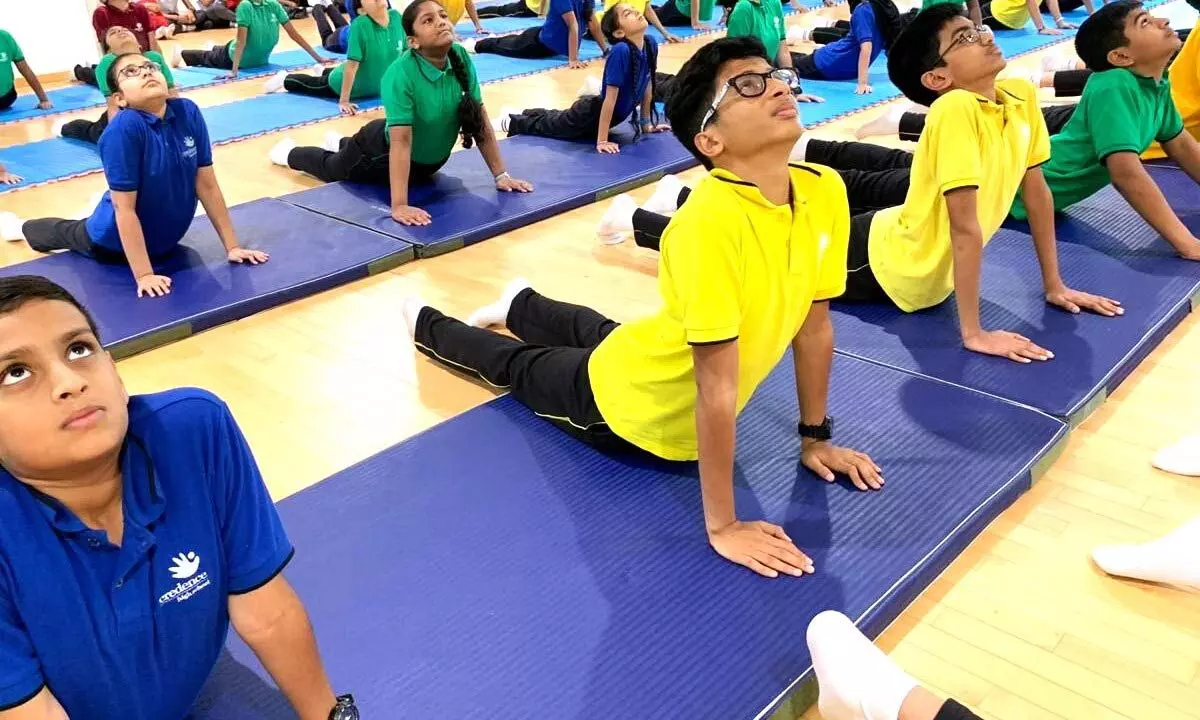
In today’s fast-paced, digitally driven world, students face increasing academic pressure and screen time—making regular physical activity more essential than ever. Beyond just promoting fitness, daily movement plays a critical role in shaping healthy, focused, and well-rounded individuals.
Physical activity directly impacts students’ physical health by improving cardiovascular endurance, building muscle strength, and supporting bone development.
It also boosts the immune system and helps maintain a healthy weight, reducing the risk of lifestyle-related illnesses later in life.
But the benefits of regular exercise extend far beyond the body. Engaging in sports, dancing, or even a brisk walk can significantly enhance mental well-being.
Physical activity triggers the release of endorphins—natural mood lifters that reduce stress and anxiety.
For students juggling exams, deadlines, and social challenges, movement offers a powerful tool to manage emotional health.
Moreover, regular physical activity improves concentration, memory, and classroom behavior. Studies consistently show that students who are physically active perform better academically, as exercise stimulates brain function, increases blood flow to the brain, and sharpens cognitive skills. In short, active students are better learners.
Physical activity also teaches essential life skills such as teamwork, discipline, time management, and resilience. Whether it’s through organized sports or unstructured play, students develop confidence and social skills that benefit them far beyond school walls.
Schools play a vital role in promoting this lifestyle.
From integrating movement into the school day to offering diverse extracurricular options, they can ensure every child has the opportunity to stay active.
Incorporating regular physical activity isn’t just about fitness—it’s an investment in students’ overall development.
When students move more, they learn better, feel better, and grow stronger in both body and mind. Movement isn’t a break from learning—it’s a vital part of it.