Abhay Prabhavana Museum Marks Teachers’ Day with Reflections on Knowledge, Values and the Role of Gurus

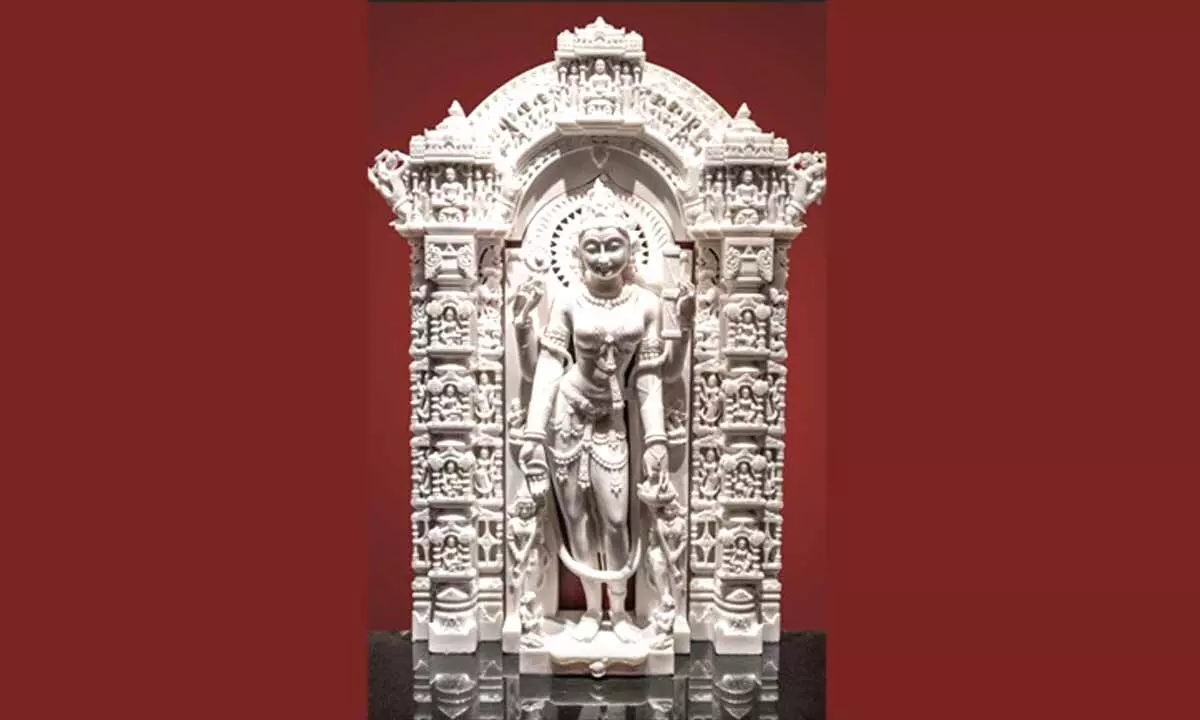
On Teachers’ Day, the Abhay Prabhavana Museum & Knowledge Centre offered visitors an opportunity to reflect on the enduring role of teachers in Indic civilisation. In Indian thought, a teacher has never been limited to instruction alone.
On Teachers’ Day, the Abhay Prabhavana Museum & Knowledge Centre offered visitors an opportunity to reflect on the enduring role of teachers in Indic civilisation. In Indian thought, a teacher has never been limited to instruction alone. Instead, the guru is seen as a guide along the path of Jnana Marg: the way of knowledge that encourages self-inquiry, reflection, and learning that transforms both mind and spirit.
A section of the museum is dedicated to this heritage, honouring rishis, sants, and enlightened individuals who shaped values of compassion, inclusiveness, and ethical living. It reminds visitors that India’s civilisational journey has thrived because knowledge was always something to be examined, lived, and shared.
Reflecting on the occasion, Dr. Abhay Firodia, Founder of the Museum, said, “A true teacher awakens inquiry. The principle of ‘Panna Sammikhaye Dhammam’ reminds us that every individual must examine and understand the truth for themselves. In our tradition, the guru has always been both a source of wisdom and a spark for questions. Through Abhay Prabhavana, we try to honour this lineage of knowledge which continues to nurture minds and hearts across generations.”
This legacy traces back to Rishabhdev, revered as the first teacher, who guided humanity toward a civilised way of life through skills like security, communication, agriculture, trade, craftsmanship, and knowledge. Centuries later, Parshvanath and Mahavir deepened this vision by emphasising values such as Ahimsa, Aparigraha, and Anekantavad: principles that encourage compassion, tolerance, and coexistence. Together, these ideals became the foundation of India’s social and cultural fabric.
The museum also reflects the Panch Parmesthi i.e., the five supreme entities of Jain thought: Arhats (the enlightened), Siddhas (the liberated), Acharyas (leaders of ascetics), Upadhyayas (teachers of Agamas), and Sadhus (ascetics). Each represents a dimension of guidance, together creating a framework where teaching is seen as both a personal duty and a universal act of service.
Its architecture embodies the same spirit. The 13.2 metre statue of Rishabhdev honours the first Tirthankar as the earliest teacher of civilisation. The 30.5-metre Manastambh rises in seven carved stages, symbolising humility, responsibility, and elevation of the human soul. The Plaza of Equanimity, centred on the Sarvatobhadra statue facing all four directions, reflects the openness of wisdom that inspires all.
At its core, the museum emphasises the “3Es” which are Enterprise, Education, and Ethics. Education here resonates with Jnana Marg, where teachers act as spiritual guides opening the way for reflection. The experience shows that learning extends beyond textbooks, emerging through values, stories, and lived traditions.
On Teachers’ Day, Abhay Prabhavana stood as a reminder that India’s greatest strength lies in its teachers and that refers to those who illuminate the path, encourage self-examination, and inspire every generation to rediscover wisdom in its truest sense.
About Abhay Prabhavana Museum
The Abhay Prabhavana Museum, located on the outskirts of Pune is a one-of-its-kind cultural destination showcasing timeless Indic values as inspired by Jainism. Spread across 65.5 hectares (162+ acres) of land, It is among the largest privately owned museums in India. Conceptualized as a “Museum of Ideas,” it is dedicated to preserving and promoting timeless Indian values through philosophy, art, history, and interactive storytelling. The museum offers a unique blend of heritage and modernity, showcasing India’s spiritual, philosophical, and cultural essence in an engaging manner. With thoughtfully curated exhibits, special tours, and immersive experiences, Abhay Prabhavana Museum serves as a hub of inspiration for students, scholars, travellers, and cultural enthusiasts alike. Beyond being a repository of history, it stands as a living space of learning, reflection, and dialogue, instilling deeper connections with India’s rich legacy.