How to Plumb a Shower Drain: Step-by-Step Installation

Installing a shower drain properly is one of the most critical aspects of bathroom plumbing. Whether you're renovating an existing bathroom or building a new one, understanding how to plumb a shower drain ensures water flows correctly and prevents costly leaks. Similar to how attention to detail matters when selecting the perfect cafes in us for your morning routine, proper shower drain installation requires precision and following established procedures.
Professional plumbing services like Southern Plumbing Works emphasize that correct drain installation prevents water damage, mold growth, and structural issues. This comprehensive guide walks you through every step of shower drain plumbing, from marking the drain position to testing for leaks.
Required Tools and Materials
Before beginning your shower drain installation, gather all necessary tools and materials. Having everything ready prevents project delays and ensures proper installation.
Essential Tools:
- Jigsaw or hole saw (4-5 inches diameter)
- Adjustable wrench or pliers
- Drain wrench or spud wrench
- Level
- Measuring tape
- Hacksaw or reciprocating saw
- Screwdriver set
- Pencil or marker
- Safety glasses
Required Materials:
- 2-inch PVC or ABS drain pipe
- P-trap (2-inch)
- Shower drain assembly
- Rubber gaskets
- Compression washers
- PVC primer and cement (for PVC pipes)
- ABS cement (for ABS pipes)
- Plumber's putty or silicone sealant
- Teflon tape
Thinset mortar or adhesive
Most residential shower drains use 2-inch diameter pipes rather than the 1.5-inch pipes used for bathtubs. This larger size allows faster drainage and helps prevent water from pooling in the shower pan.
Step 1: Mark the Drain Position
Accurate drain positioning is crucial for proper installation and alignment with your shower pan.
Begin by placing your shower pan in its final location without securing it. Mark the center point of the drain hole on the subfloor using a pencil. Remove the shower pan and verify this marking aligns with your planned drain location.
Measure from the wall to ensure the drain position allows adequate space for the P-trap installation below. Most shower drains should be centered in the shower base, but verify your specific shower pan manufacturer's requirements.
Double-check measurements before cutting. Professionals emphasize measuring twice and cutting once to avoid costly mistakes that can't be easily corrected.
Step 2: Cut the Drain Hole in Subfloor
Creating the proper-sized opening in your subfloor allows the drain assembly to fit correctly while maintaining structural integrity.
The recommended hole size for most shower drains ranges from 4 to 5 inches in diameter. Check your drain manufacturer's specifications for the exact size required. Cutting too large a hole reduces support around the drain, while cutting too small prevents proper installation.
Use a jigsaw with a fine-tooth blade or a hole saw attachment for your drill. If using a jigsaw, drill a starter hole near the edge of your marked circle, then carefully follow the line around. Work slowly to ensure a clean, circular cut.
Leave approximately half an inch of clearance around the drain pipe to allow for movement and prevent squeaking. This small gap also makes alignment easier during installation.
Step 3: Install the P-Trap
The P-trap serves two essential functions: it creates a water seal preventing sewer gases from entering your home, and it catches debris before it enters the main drain line.
Position the 2-inch P-trap directly below the drain opening. The trap should be accessible for future maintenance while positioned low enough to provide adequate fall for drainage.
Standard P-traps measure approximately 8 inches from the center of the inlet to the outlet. Ensure your trap sits level to maintain proper water seal. A level P-trap prevents sewer gas from escaping and ensures efficient drainage.
Connect the P-trap to the existing drain line using appropriate fittings. For PVC installations, apply primer to both the pipe and fitting surfaces, followed by PVC cement. Make 4-5 complete revolutions when applying cement to ensure complete coverage.
For ABS pipes, use ABS-specific black cement without primer. If transitioning between ABS and PVC materials, use green transition cement designed for this purpose.
Step 4: Connect the Drain Pipe to P-Trap
This vertical pipe, often called the shower drain tailpiece, connects the shower base to the P-trap below.
Measure the required length for the drain pipe extending from the P-trap to approximately 1.75 inches above the subfloor surface. This height allows the drain assembly to properly seat while maintaining structural support.
Cut the 2-inch pipe to the measured length using a hacksaw. Remove any burrs from the cut edge using a file or deburring tool. Burrs can prevent proper seal formation and cause future leaks.
Dry-fit all components before applying cement. This test fitting ensures everything aligns correctly and allows you to make adjustments without the pressure of wet cement setting.
Apply primer and cement (for PVC) or appropriate cement (for ABS) to connect the pipe to the P-trap. Hold the connection firmly for 30 seconds to ensure proper bonding.
Step 5: Install the Lower Drain Flange
The lower drain flange creates the waterproof seal between the shower pan and the drainage system.
Thread the lower portion of the drain assembly onto the drain pipe extending through the subfloor. The exact method varies by drain type, but most use either threaded connections or compression fittings.
For compression-style drains, slide the rubber gasket over the pipe first, followed by the cardboard or fiber washer. The rubber gasket typically has a tapered side that faces the drain body.
Tighten the locking nut using a drain wrench, adjustable pliers, or the specialized tool provided with your drain kit. Tighten firmly but avoid over-tightening, which can crack plastic components or distort gaskets.
Ensure the drain flange sits level with or slightly below the finished floor height. Use a level to verify proper alignment.
Step 6: Position the Shower Pan
Proper shower pan installation ensures water directs toward the drain and prevents leaks around the base.
If using a mortar bed, mix thinset mortar according to manufacturer instructions. Apply mortar in mounds at locations specified by the shower pan manufacturer, typically around the perimeter and under the drain area.
Carefully lower the shower pan into position, aligning the drain hole with the installed drain flange below. Press firmly to compress the mortar and ensure full contact.
Check the pan for level in all directions using a 4-foot level. Adjust as needed before the mortar sets. Most shower pans should be level or have a slight slope (1/4 inch per foot) toward the drain, though many modern pans have this slope built in.
For pans without mortar requirements, ensure the subfloor is completely level and apply the adhesive specified by the manufacturer.
Step 7: Attach the Upper Drain Assembly
The upper drain assembly completes the connection between the shower pan and the drainage system below.
Apply a thin bead of plumber's putty or silicone sealant around the underside of the drain flange. Note that ABS drains should only use silicone, never plumber's putty, as putty can damage ABS plastic.
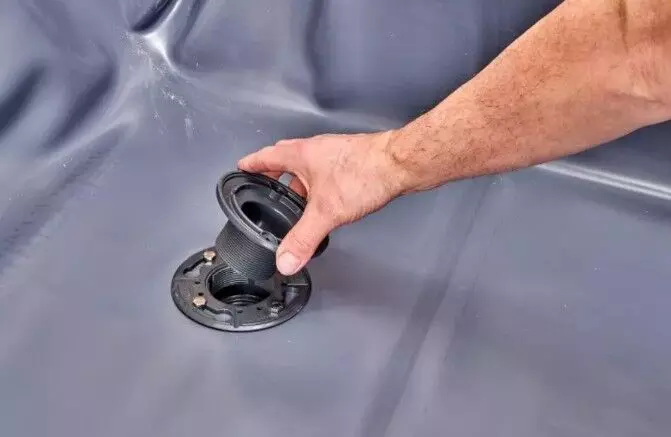
Insert the drain body through the top of the shower pan, pressing down firmly. From below the pan, slide the rubber sealing gasket and friction washer onto the drain threads.
Thread the locking ring onto the drain body from underneath. Use a drain wrench or adjustable pliers to tighten the ring securely. The washers should compress to create a watertight seal.
Remove any excess putty or sealant that squeezes out around the drain flange. Clean the area thoroughly.
For two-piece drain assemblies with screw-together components, ensure both parts align properly and tighten the connection snugly.
Step 8: Connect to Main Waste Line
Connecting your shower drain to the home's main waste line completes the drainage pathway.
Locate your main drain line, typically a 3-inch or 4-inch pipe running through the walls or floor. The connection point should be accessible from the P-trap location.
Use appropriate fittings to make the connection. Common fittings include 90-degree elbows, 45-degree elbows, and wye fittings depending on your specific layout.
Ensure all connections maintain proper slope toward the main drain. Drainage pipes should slope at least 1/4 inch per foot to ensure gravity-fed drainage.
For permanent connections, use solvent cement appropriate for your pipe material. For temporary or maintenance-friendly connections, rubber couplings with stainless steel clamps provide flexibility.
Support all horizontal pipe runs with proper hangers or straps every 4 feet. Unsupported pipes can sag over time, creating low spots where water accumulates.
Step 9: Seal All Connections
Proper sealing prevents leaks and ensures your shower drain functions correctly for years.
Inspect every connection point in your drain system. Look for gaps, misalignments, or areas where sealant is missing.
Apply silicone sealant around the drain flange where it meets the shower pan. This creates an additional water barrier preventing moisture from seeping behind the pan.
Check that all threaded connections are properly tightened. Use Teflon tape on threaded pipe connections to ensure watertight seals.
Allow all sealants and cements to cure according to manufacturer specifications before testing. PVC cement typically requires 2 hours for light use and 24 hours for full strength. Silicone sealant needs 24-48 hours to fully cure.
Step 10: Test for Leaks
Testing your installation before completing finish work prevents costly repairs later.
Plug the drain opening using a test plug designed for this purpose or improvise with a rubber stopper. These plugs cost approximately $4-5 at most home improvement stores and are invaluable for testing.
Fill the shower pan with water to a depth of 2-3 inches. Allow the water to sit for 15-20 minutes while you inspect all connections below for leaks.
Check the ceiling below (if applicable), the P-trap, all pipe connections, and around the drain assembly. Look for dripping water, moisture accumulation, or wet spots.
If leaks appear, drain the shower pan completely, identify the leak source, and make necessary repairs. Common leak points include:
- Improperly tightened drain assembly
- Missing or damaged gaskets
- Incomplete cement joints
- Cracked drain components
- After repairs, repeat the leak test to verify the fix worked.
Once all connections pass the leak test, remove the test plug and run water through the drain. Listen for proper drainage sounds and verify water flows smoothly without backing up.
Troubleshooting Common Issues
Even with careful installation, issues can arise. Understanding common problems helps you address them quickly.
Slow Drainage
If water drains slowly, several factors could be responsible. Check for clogs in the trap or drain pipe, often caused by construction debris. A drain snake can clear these blockages effectively.
Verify that all pipes maintain proper slope toward the main drain line. Flat or back-sloped pipes prevent proper drainage and create standing water.
Ensure vent pipes are properly installed and unobstructed. Drainage systems need venting to allow air to replace draining water.
Persistent Leaks
Leaks appearing after installation typically indicate gasket problems, loose connections, or damaged components.
Tighten the drain assembly locking ring if leaks occur around the drain flange. Use a drain wrench to snug the connection without over-tightening.
Inspect rubber gaskets for damage, improper installation, or deterioration. Replace gaskets showing signs of wear, cracking, or compression set.
Check that plumber's putty or silicone sealant was applied correctly. Remove old sealant completely before reapplying fresh material.
Gurgling Sounds
Gurgling noises when draining suggest venting issues or partial clogs.
Verify the drain vent connects properly to the main vent stack. Blocked or missing vents create negative pressure causing gurgling.
Check for partial obstructions in the drain line. Hair, soap buildup, or debris can restrict flow without completely blocking drainage.
Drain Assembly Spinning
If the entire drain assembly rotates when you attempt to tighten the strainer, the lower components may not be properly secured.
Access the area below the shower pan and tighten the large locking nut connecting the drain body to the tailpiece. This nut should be snug enough to prevent the assembly from rotating.
If the drain continues spinning, the drain may be too old or the components may be damaged. Replacement might be necessary.
Uneven Water Flow
Water pooling in areas away from the drain indicates improper pan slope or installation issues.
Verify the shower pan sits level in all directions. Most pans have built-in slope, but the pan itself should be level.
Check for high spots or depressions in the mortar bed underneath the pan. These irregularities prevent proper drainage.
Sewer Odor
Sewer gas smells indicate problems with the P-trap water seal.
Ensure the P-trap maintains proper water level. If the shower isn't used regularly, the water seal can evaporate, allowing sewer gas to enter.
Verify the P-trap was installed level. Unlevel traps may not hold sufficient water to create an effective seal.
Check for cracks or damage to the P-trap. Even small cracks can allow sewer gas to escape.
Ceiling Damage Below
Water stains or damage to the ceiling below the shower indicate active leaks requiring immediate attention.
Locate the leak source by accessing the area below the shower. Look for drips at the drain assembly, P-trap connections, or pipe joints.
Common causes include loose drain assembly connections, damaged gaskets, or incomplete cement joints in the drainage pipes.
Repair identified leaks promptly to prevent further damage. Water intrusion can lead to mold growth, structural damage, and costly repairs.
Installing a shower drain correctly requires attention to detail, proper materials, and following each step carefully. While this project can be completed by experienced DIYers, complex installations or situations involving significant modifications to existing plumbing may benefit from professional assistance.
Regular maintenance helps prevent problems. Clean the drain strainer weekly to remove hair and soap buildup. Avoid chemical drain cleaners that can damage pipes over time. Instead, use mechanical methods like drain snakes or natural solutions like baking soda and vinegar for clogs.
Proper shower drain installation protects your home from water damage, prevents mold growth, and ensures many years of trouble-free use. By following these steps and addressing issues promptly, you can enjoy a fully functional shower with confidence in your plumbing system's integrity.