Keeping Pets Safe When Temperatures Soar

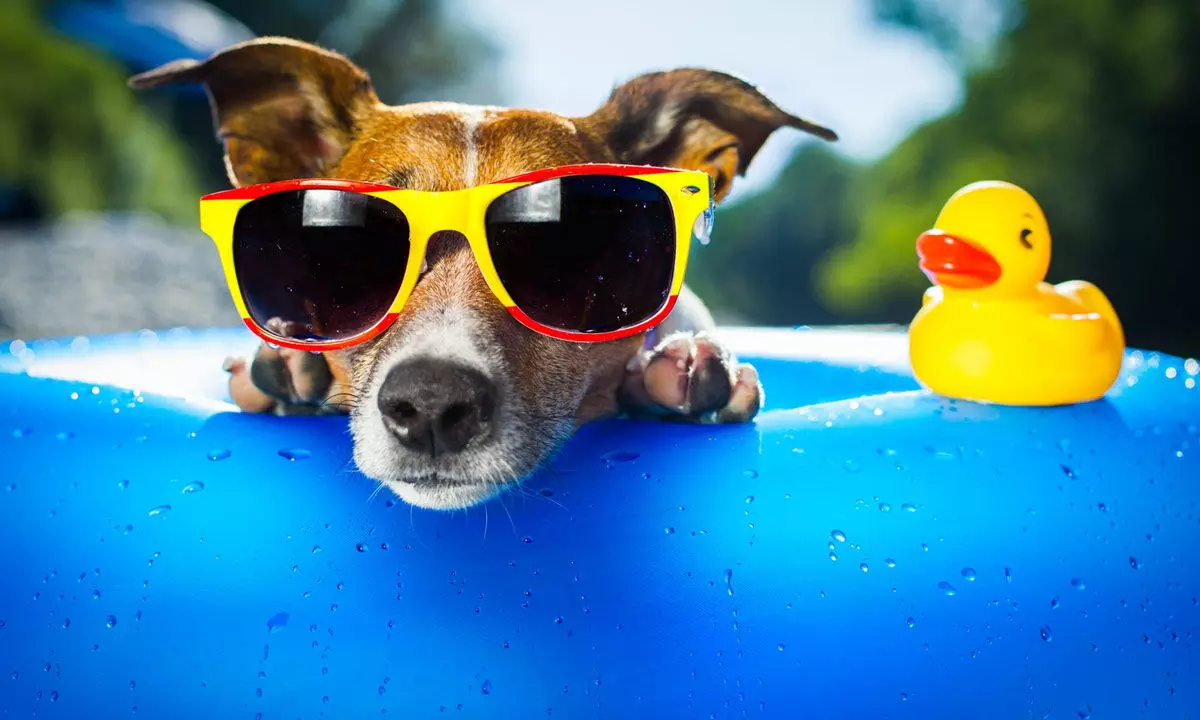
Simple summer precautions can prevent heat stress, dehydration, and injuries, keeping dogs and cats healthy, comfortable, and safe.
As heatwaves grow more intense each year, pet care becomes more than routine responsibility—it becomes a matter of safety. Rising temperatures can quickly overwhelm dogs and cats, putting them at risk of dehydration, burned paws, and even life-threatening heatstroke. Pet owners must stay alert and make small but meaningful adjustments to daily routines to ensure their furry companions stay comfortable throughout the hottest months.
Here are practical, vet-recommended strategies to protect pets during extreme summer heat.
Watch for Signs of Heat Stress
Pets cannot cool themselves as efficiently as humans. Dogs mainly regulate body temperature through panting, while cats rely on grooming and limited sweating through paw pads. When temperatures climb, excessive panting, drooling, lethargy, vomiting, or disorientation can indicate overheating. Immediate cooling and veterinary attention are crucial if symptoms escalate. Early recognition can prevent serious complications.
Provide Constant Access to Shade
Direct sunlight can rapidly raise a pet’s body temperature. Outdoor animals must always have access to shaded areas where they can rest comfortably. Trees, covered patios, and well-ventilated shelters help block harsh sunlight and reduce heat exposure. Indoors, ensure resting spaces are cool and away from windows receiving intense afternoon sun.
Keep Fresh Water Available at All Times
Hydration is the first line of defense against heat-related illness. Pets lose fluids quickly in hot weather and need constant access to clean, cool drinking water. Refill bowls frequently and consider placing multiple water stations around the home. Adding ice cubes can help keep water cooler for longer periods, encouraging pets to drink more often.
Use Cooling Aids for Comfort
Modern pet cooling products can significantly reduce heat discomfort. Cooling mats, breathable bedding, and temperature-regulating vests help maintain safe body temperatures. Even simple home solutions—like tiled floors or air-circulated rooms—offer relief. These measures are especially helpful for breeds with thick fur coats and flat-faced breeds that struggle more with heat.
Never Leave Pets Inside Parked Vehicles
Cars can turn dangerously hot within minutes, even when parked in shade or with windows slightly open. Interior temperatures rise far faster than many owners realize, creating life-threatening conditions. Leaving pets unattended in vehicles during summer can result in severe heatstroke. If travel is unavoidable, ensure pets accompany you when exiting the vehicle.
Supervise Outdoor Time Carefully
Summer playtime needs closer monitoring. Pets often continue playing beyond safe limits, ignoring signs of exhaustion. Shorter activity sessions, frequent water breaks, and observation for fatigue can prevent overheating. Owners should intervene early rather than waiting for visible distress.
Encourage Safe Water Activities
Water is an effective way to help pets cool down. Supervised swimming sessions, splash pools, or gentle hose play can lower body temperature while keeping pets active. Always ensure water safety and avoid strong currents or deep areas if pets are inexperienced swimmers.
Cool Pets Indoors with Damp Towels
Indoor cooling methods can be simple and effective. Placing a damp towel on resting areas or gently wiping a pet’s paws and belly with a moist cloth helps dissipate heat. Fans and air circulation further improve comfort. However, avoid ice-cold baths, which can shock the system—gradual cooling is safer.
Schedule Walks During Cooler Hours
Pavements and roads absorb heat throughout the day and can burn sensitive paw pads. Early morning and late evening walks are safer when surfaces are cooler and sunlight is less intense. If the ground feels too hot for your hand, it is unsafe for your pet’s paws.
Protect Paw Pads from Hot Surfaces
Footpads are highly sensitive and prone to burns during summer. Use grassy routes whenever possible or invest in protective paw wear. Checking paws after walks helps detect injuries early and prevents infection.
With temperatures rising across many regions, proactive care makes all the difference. Small preventive steps can spare pets from serious health risks and keep summer enjoyable for both animals and owners.