Remembering the Mahatma: India Observes Shaheed Diwas 2026 with Silence and Gratitude

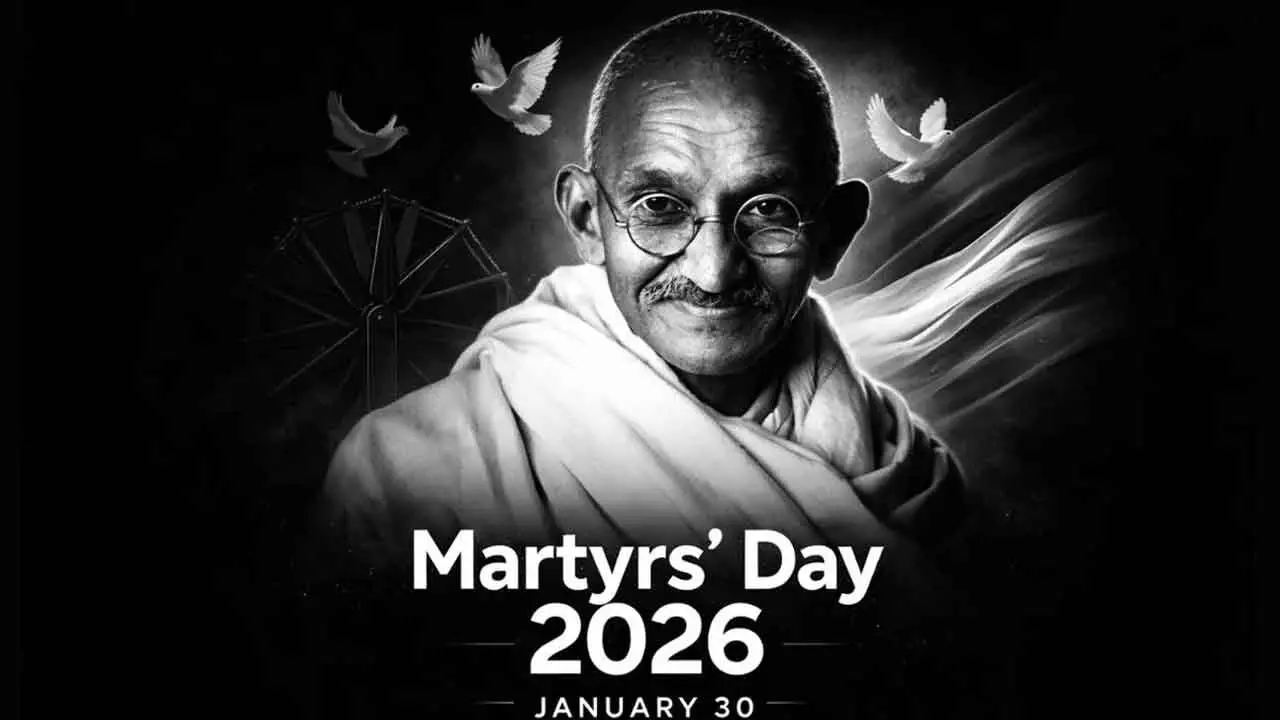
Nation pauses on January 30 to honour Mahatma Gandhi and countless martyrs whose sacrifices shaped India’s freedom and unity.
Every year on January 30, India comes together in quiet reflection to observe Shaheed Diwas, also known as Martyrs’ Day or Sarvodaya Diwas. The day marks the assassination of Mahatma Gandhi in 1948 and serves as a solemn reminder of the sacrifices made by freedom fighters who laid the foundation of independent India. In 2026, the observance continues to carry deep emotional and historical significance, encouraging citizens to remember not only Gandhi but also the countless unnamed heroes who gave their lives for the nation.
Across cities, towns and villages, the day is not marked by grand celebrations but by stillness, prayer and gratitude.
Historical Roots of Shaheed Diwas
The Government of India designated January 30 as Martyrs’ Day in the aftermath of Gandhi’s assassination. The tragedy shocked the country and created a shared sense of loss that transcended regional and religious boundaries. Over time, the day evolved into a national tribute to all those who sacrificed themselves during the freedom struggle and in service to the country.
Shaheed Diwas is also known as Sarvodaya Day, reflecting Gandhi’s vision of inclusive progress, social justice and moral leadership. His belief that society should uplift every individual continues to guide the spirit of the observance. The day ensures that younger generations understand the human cost behind India’s independence and democratic values.
How the Country Observes the Day
Shaheed Diwas is commemorated nationwide through official ceremonies and community participation. One of the most symbolic moments occurs at 11:00 AM, when people across the country observe two minutes of silence. Offices pause, schools stand still and public life briefly halts as the nation collectively honours its martyrs.
National leaders, including the President, Prime Minister, Defence Minister and senior military officials, attend formal ceremonies. The armed forces pay homage with traditional gestures such as sounding the Last Post and reversing arms, signifying respect and mourning for the fallen.
Multi-faith prayer meetings are organised to reflect India’s diversity and Gandhi’s lifelong advocacy for communal harmony. Schools conduct assemblies, speeches, patriotic songs and discussions that help students connect with the country’s history. Many organisations also engage in social service activities and cleanliness drives inspired by Gandhian ideals of selfless work and civic responsibility.
Mahatma Gandhi’s Life and Legacy
Born on October 2, 1869, in Gujarat, Mohandas Karamchand Gandhi became the moral force behind India’s freedom movement. Through the principles of non-violence and truth, he led transformative campaigns such as the Non-Cooperation Movement, the Salt March and Quit India. His methods demonstrated that peaceful resistance could challenge even the most powerful empires.
Gandhi’s ideas resonated far beyond India’s borders, influencing global figures like Martin Luther King Jr. and Nelson Mandela. His legacy continues to inspire movements for justice and equality worldwide.
The Tragic Day in 1948
On January 30, 1948, Gandhi was on his way to an evening prayer meeting in New Delhi when he was shot by Nathuram Godse. The assassination stunned the young nation and plunged millions into mourning. The incident remains one of the most painful chapters in India’s history.
Godse was later tried and executed, underscoring the country’s commitment to constitutional law. Gandhi’s death, however, strengthened the resolve of many Indians to uphold peace, unity and democratic values.
Raj Ghat: The Heart of the Tribute
The focal point of Shaheed Diwas commemorations is Raj Ghat in Delhi, where Gandhi was cremated. The simple black marble memorial, set beside the Yamuna River, reflects the modesty and simplicity he practiced throughout his life.
On this day, leaders and citizens alike lay floral wreaths and offer prayers at the site. The atmosphere is serene, filled with reflection rather than ceremony. Visitors quietly pay their respects, remembering a man whose life and sacrifice continue to shape the nation’s conscience.
Shaheed Diwas ultimately serves as more than a memorial. It is a reminder that freedom was earned through collective sacrifice and must be protected with unity, compassion and responsibility.