Smart Cooking Alternatives as LPG Shortage Strains Indian Households

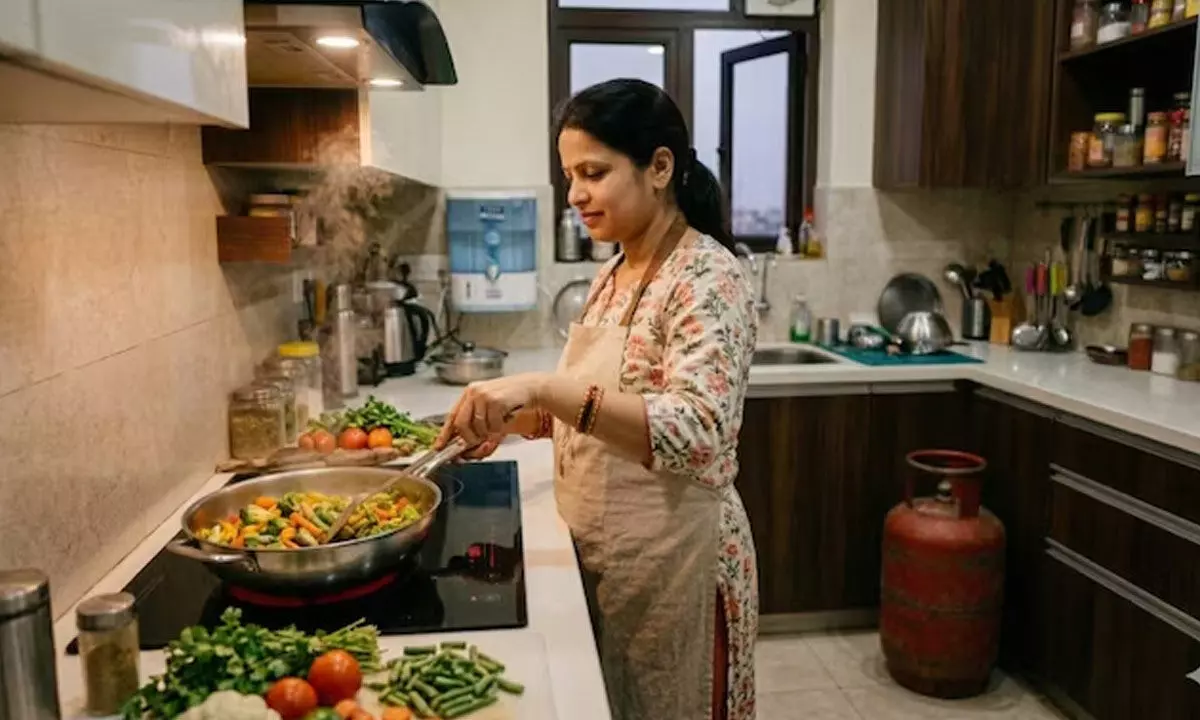
Rising LPG prices push households toward efficient electric, solar, and healthier cooking habits that save fuel and money.
Concerns over cooking fuel availability are growing across India as global geopolitical tensions disrupt energy supply chains. Escalating conflict involving Iran and strategic movement restrictions near the Strait of Hormuz have tightened liquefied petroleum gas (LPG) shipments, creating supply uncertainty. The impact is now visible at the household level, with domestic LPG cylinder prices rising by ₹60 in recent weeks.
For millions of Indian families who depend on LPG for daily cooking, this spike is more than an economic inconvenience. It affects meal planning, monthly budgets, and access to reliable fuel. However, energy experts say this disruption also presents an opportunity to shift toward efficient cooking technologies and smarter kitchen practices that reduce fuel dependence.
Induction Cooktops: Fast, Efficient, and Cleaner
Induction cooking is emerging as one of the most practical replacements for LPG stoves. These cooktops heat vessels directly using electromagnetic energy, reducing heat loss and cooking food significantly faster than conventional gas burners.
Research referenced by the US Department of Energy indicates that induction systems are highly energy-efficient and produce no indoor air pollutants, making them safer for households, particularly in compact urban homes. Built-in safety features such as automatic shut-off and controlled surface heating also lower the risk of burns and kitchen accidents.
With falling appliance prices and wider availability, induction cooktops are becoming a realistic primary cooking option rather than just a backup device.
Expanding the Electric Kitchen Ecosystem
Beyond induction stoves, a range of electric appliances can help households cut LPG usage substantially. Electric kettles, rice cookers, microwaves, and air fryers allow families to prepare diverse meals while distributing energy consumption across devices.
Electric pressure cookers and multifunction cookers are especially useful for Indian cooking styles that involve lentils, rice, curries, and steamed dishes. These appliances reduce cooking time, retain nutrients effectively, and eliminate open flames, making them safer for elderly users and children.
As electricity access improves and rooftop solar adoption rises, electric cooking is increasingly viewed as a long-term, scalable alternative rather than an emergency substitute.
Solar Cooking: Harnessing Abundant Sunlight
India’s climate offers strong potential for solar cooking, particularly in regions with long daylight hours. Solar cookers use reflective surfaces to concentrate sunlight and generate sufficient heat for boiling, steaming, and slow cooking.
Though weather-dependent, solar cooking stands out as a zero-fuel, environmentally friendly option that can significantly cut LPG consumption over time. It is particularly useful in rural and semi-urban areas where open spaces make outdoor cooking practical.
During prolonged supply shortages, solar cookers can serve as dependable secondary cooking systems for daytime meal preparation.
Healthier Cooking Methods That Save Fuel
Fuel efficiency also depends on how food is prepared. Techniques such as steaming and pressure cooking reduce cooking duration and energy use compared to prolonged open-flame methods.
One-pot meals are gaining popularity for the same reason. Preparing complete dishes in a single vessel minimizes repeated heating cycles and conserves fuel. These methods not only save LPG but also preserve nutrients and simplify kitchen cleanup.
Soaking lentils, beans, and grains before cooking is another effective habit. Pre-soaked ingredients soften faster, cutting stove time significantly.
Meal Planning Reduces Repeated Fuel Use
Structured meal planning can quietly deliver substantial fuel savings. Preparing larger portions at once and storing them safely for later consumption avoids multiple cooking sessions.
Batch cooking staples such as curries, dals, and gravies allows families to reheat rather than cook from scratch each time. Refrigeration and proper storage make this approach practical for working households managing tight schedules.
This approach is already common among urban professionals and is now gaining wider relevance as fuel prices climb.
Institutions Also Shift to Alternatives
Fuel constraints are influencing large public systems as well. Catering units linked to Indian Railways have begun transitioning toward electric cooking infrastructure. Its ticketing and catering arm, IRCTC, has encouraged vendors to adopt induction and microwave cooking to maintain service continuity.
Such institutional transitions signal broader acceptance of non-LPG cooking systems and may accelerate consumer adoption.
A Turning Point for Energy-Smart Kitchens
While LPG remains central to Indian cooking culture, ongoing shortages and rising prices are prompting households to rethink kitchen energy use. Efficient appliances, renewable options, and mindful cooking habits together offer practical ways to reduce fuel stress.
What began as a supply crisis may ultimately accelerate India’s shift toward cleaner, safer, and more economical cooking solutions.