Amazing Innovation in Semiconductor Design Done By Ujjwal Singh

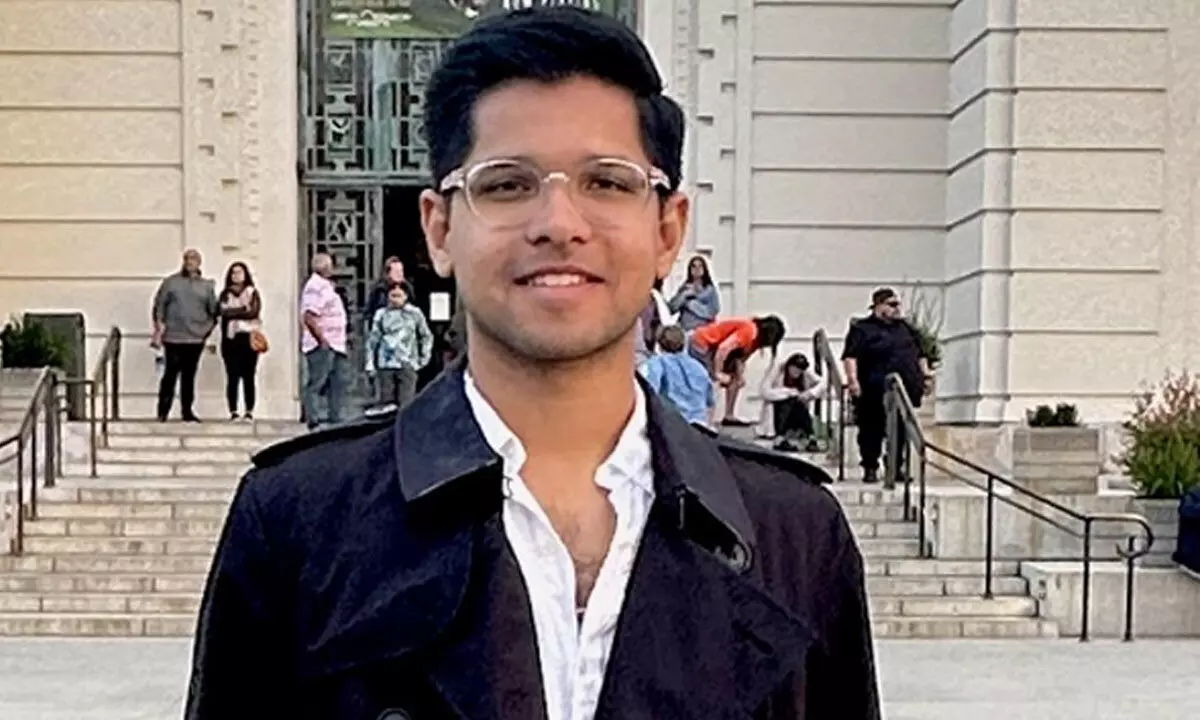
Ujjwal Singh is an accomplished semiconductor design professional with extensive experience in VLSI and physical design and chip level timing engineering
Ujjwal Singh is an accomplished semiconductor design professional with extensive experience in VLSI and physical design and chip level timing engineering. With a strong educational foundation, including a Master of Engineering in Electrical & Computer Engineering from Cornell University and a Bachelor of Technology in Electronics & Communication Engineering from Guru Gobind Singh Indraprastha University, Ujjwal combines academic excellence with practical expertise. His professional journey has been marked by significant contributions to major semiconductor projects that includes 5 tapeouts, where he has honed his skills in chip design, timing validation, and innovative problem-solving.
Q 1: What motivated you to pursue a career in semiconductor design engineering?
A: My passion for semiconductor design stems from a fascination with how integrated circuits form the foundation of modern technology. During my undergraduate studies in Electronics & Communication Engineering, I became captivated by the intricate world of chip design and its potential to drive technological advancement. This interest deepened during my master's program at Cornell, where courses in Digital VLSI Design and Computer Architecture allowed me to explore these concepts in greater depth. I'm particularly drawn to the semiconductor field because it blends creativity with technical precision, allowing me to contribute to innovations that power everything from smartphones to automobiles and even enable space exploration. The opportunity to work on technology that has such a profound impact across industries continues to inspire me every day.
Q 2: You have experience in both physical design and timing validation. How do these different aspects of chip design complement each other?
A: Physical design and timing validation are fundamentally interconnected aspects of chip design in the semiconductor industry. In physical design, I focused on transforming logical representations into physical layouts through placement and routing, while timing validation ensures these designs meet performance requirements. This complementary relationship has given me a holistic perspective on chip development. For example, when working on 5nm designs, understanding timing constraints directly informed my placement decisions, while my physical design experience helped better understand the intricacies of deciding and meeting timing budgets. Without the knowledge of one, we can't master the other. This cross-functional knowledge has been invaluable for collaborating with different teams and delivering optimized, high-performance solutions.
Q 3: Can you describe a challenging project you worked on and how you overcame obstacles?
A: One particularly challenging project involved leading multiple blocks to completion for an advanced 5nm design with extremely tight power and performance requirements. We encountered significant timing closure issues due to the complexity of the design and the limitations of the process node. To overcome this, I implemented a systematic approach that combined automated and manual ECOs to improve block-level timing. I managed the entire flow from synthesis to placement and routing of these blocks, ensuring they synchronized properly with other chip components. We faced numerous LVS and DRC violations that threatened our timeline, but I came up with elegant solutions to fix them while still meeting the stringent timing and power requirements of the chip. I developed custom routing strategies for critical IPs and coordinated extensively with timing and DFT teams to ensure cohesive solutions. By setting up comprehensive regressions and test blocks, we were able to refine our PNR flow iteratively. This methodical approach not only resolved our immediate challenges but also established best practices that enhanced efficiency for future designs.
Q 4: You have a design patent related to 360 Degree Air Flow Design. Can you tell us about this innovation?
A: My patented 360 Degree Air Flow Design represents one of my proudest achievements, though it's actually outside my semiconductor work. This innovation addresses a fundamental challenge in room cooling systems by creating a more efficient air circulation pattern that provides uniform cooling throughout the entire space. Traditional room air coolers often direct airflow in a single direction, creating uncomfortable temperature variations and inefficient cooling. My design incorporates a novel arrangement of air channels and directional vents that creates a vortex-like flow pattern, allowing for simultaneous 360-degree air circulation. This solution not only improves cooling efficiency and user comfort but also reduces energy consumption. I'm particularly proud that this innovation has been recognized with an approved patent, with a second related patent currently pending.
Q 5: How do you approach problem-solving in your work, particularly when dealing with complex technical challenges?
A: My approach to problem-solving centers on combining systematic analysis with creative thinking. When faced with complex technical challenges, I first break down the problem into manageable components to identify root causes. For example, when dealing with challenging DRC or LVS issues, I establish a methodical debugging process rather than making random changes. I also believe in the power of collaboration and diverse perspectives, so I regularly consult with colleagues from different specialties. Similarly when facing tight timing violations I evaluate each technical possibility where one fix should not create another violation and what is the most effective way to implement a fix. Additionally, I maintain a strong focus on continuous learning, staying updated on emerging technologies and techniques through technical journals and conferences. This balanced approach has served me well throughout my career, allowing me to develop innovative solutions to complex semiconductor design challenges.
Q 6: What tools or methodologies do you rely on in your work, and why?
A: I leverage a diverse set of tools and methodologies to optimize ASIC/FPGA design processes. For physical design, I rely heavily on Cadence Innovus and Synopsys tools for synthesis and verification. PrimeTime and Excellicon tools are essential for timing analysis and constraint management. I've also developed proficiency in scripting languages like TCL and Python to automate repetitive tasks and enhance productivity. Beyond technical tools, I employ methodologies like regression testing and continuous integration to ensure design quality. Additionally, I use project management tools such as JIRA and Confluence to track progress and facilitate communication across teams. This comprehensive toolkit allows me to address the multifaceted challenges of modern semiconductor design efficiently.
Q 7: How do you balance technical expertise with project management in your role?
A: Balancing technical depth with effective project management has been crucial to my success. While maintaining hands-on expertise in design tools and methodologies, I've developed strong project management skills to lead complex initiatives to completion. I establish clear timelines and deliverables at the outset, while maintaining flexibility to adapt to changing requirements. Regular communication is essential—I conduct focused team meetings to address technical challenges while ensuring everyone remains aligned with project goals. I've found that my technical background actually enhances my ability to manage projects effectively, as it allows me to make informed decisions about resource allocation and risk assessment. This balanced approach has enabled me to lead multiple blocks to successful completion while fostering a collaborative team environment.
Q 8: What advice would you give to someone aspiring to enter the semiconductor design field?
A: For those aspiring to enter semiconductor design, I'd recommend building a strong foundation in both theoretical knowledge and practical skills. A solid understanding of digital electronics, computer architecture, and programming along with actual fabrication knowledge is essential as all these concepts greatly contribute when designing a semiconductor chip from scratch. Pursue coursework or projects in VLSI design, and gain proficiency with industry-standard tools like Cadence and Synopsys suites. Hands-on experience is invaluable—seek internships or entry-level positions that provide exposure to real design challenges. Additionally, develop your problem-solving abilities and attention to detail, as these are critical in this field. Networking with professionals through conferences or online communities can provide valuable insights and opportunities. Finally, embrace continuous learning, as semiconductor technology evolves rapidly. The field is challenging but incredibly rewarding for those passionate about creating the technology that powers our digital world. As we progress with smaller node sizes we are pushing the boundaries of physics and with each advancement we face new challenges of how to effectively utilize the full potential of each technological advancement.
Q 9: How do you stay current with industry trends and advancements in semiconductor technology?
A: Staying current in the rapidly evolving semiconductor industry is a priority for me. I regularly follow technical journals and publications specific to VLSI design and semiconductor technology. I'm an active member of professional organizations and participate in industry conferences and webinars whenever possible. Engaging with online communities and discussion forums allows me to exchange ideas with peers and learn about emerging challenges and solutions. I also dedicate time to hands-on exploration of new tools and methodologies through personal projects and continuous education. Recently, I've been focusing on advancements in advanced node technologies and design methodologies for AI accelerators, as these areas represent significant growth opportunities in our industry.