




- CBI withdraws pleas in SC seeking transfer of 2021 Bengal post-poll violence cases
- Google Genie 4 Turns Text Into Interactive Worlds
- Rajnath Singh and Hegseth hail India-US Major Defence Partnership, reiterate joint resolve to eliminate terrorism
- Heavy rain warning for south Bengal as cyclone Arnab disrupts air travel, several flights cancelled
- Jharkhand: Two former Naxal commanders tie knot at Hazaribagh jail
- Kochi Police Commissioner Transferred After Lapses In Fatal Mercedes Crash Involving Judge’s Minor Son
- KIIFB row rocks Kerala Assembly, CM Satheesan attacks former Left govt
- Instagram Takes Aim at YouTube With 90-Minute Features
El Niño Threat: Telangana CM Orders Treated Water Use to Conserve Drinking Water
In Short
Telangana CM Revanth Reddy directs officials to use treated water for landscaping and construction, strengthen sewage treatment plants and monitor reservoirs to conserve drinking water amid El Niño-related concerns.

Share :
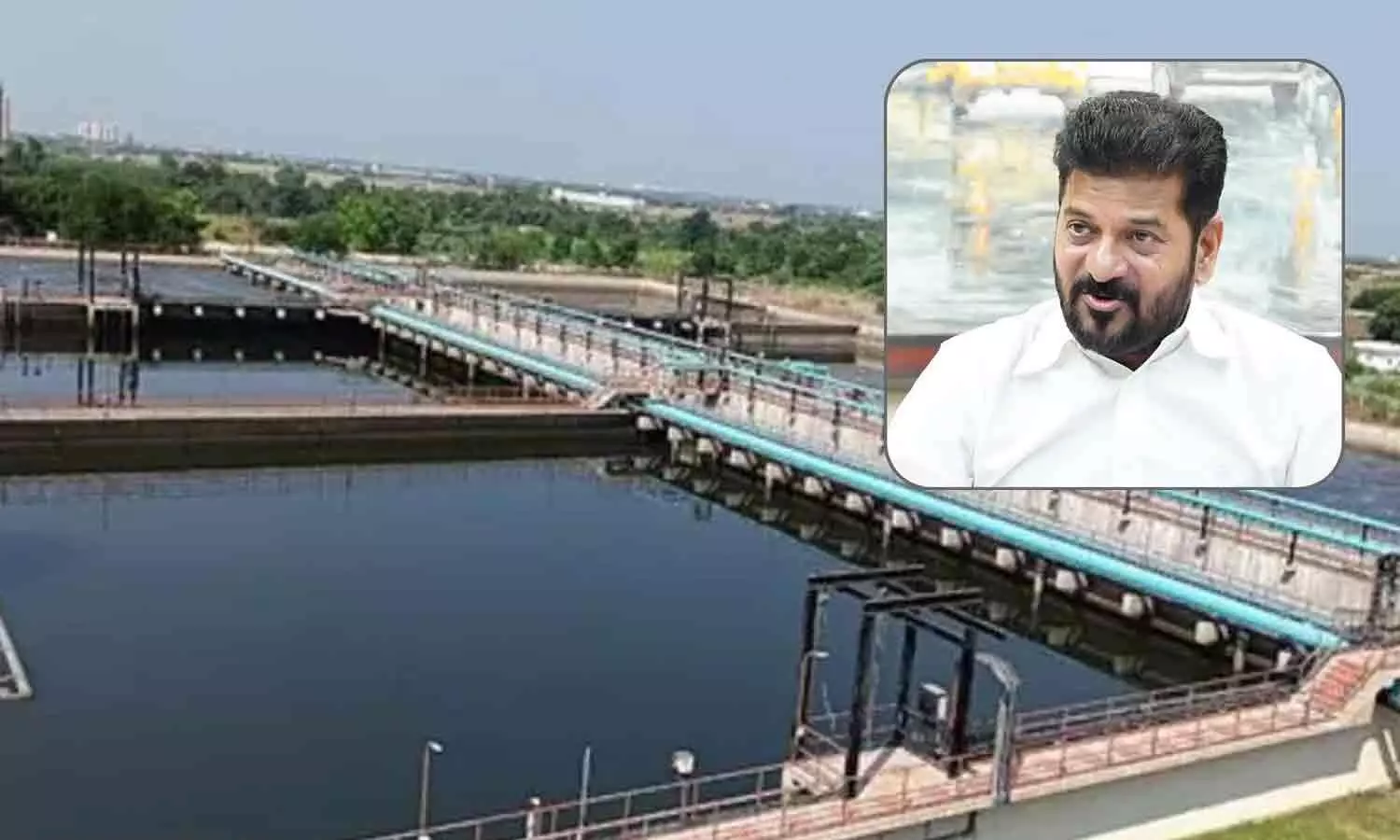
El Niño Threat: Telangana CM Orders Treated Water Use to Conserve Drinking Water
As water problems in the state are mounting due to the El Niño effect, Telangana Chief Minister A Revanth Reddy directed the Hyderabad Core Urban Region (CURE) to use treated water for landscaping at government offices, public parks and data centres.
At a meeting with the officials on drinking water supply in the Hyderabad Core Urban Region (CURE) and related issues, Reddy directed them to ensure an uninterrupted supply of drinking water to Hyderabad. He asked officials to continuously monitor water levels in reservoirs.
However, officials are sceptical about uninterrupted water supply since the water levels are low in the reservoirs.
The CM directed officials to strictly enforce rules mandating the use of treated water for construction work. Officials should ensure that sewage treatment plants (STPs) operate at full capacity.
According to an official press release, the CM suggested the use of artificial intelligence (AI) to improve STP operations. Reddy said a special officer should be appointed to monitor the quality of treated water from the plants. He called for an awareness campaign to promote the use of treated water.
In view of rising power demand, the CM asked officials to explore the feasibility of using solar energy to operate STPs and involving private agencies in setting up such plants.
On October 27, the state government declared 365 mandals across 31 of Telangana's 33 districts drought-affected and directed district authorities to initiate relief measures immediately.
El Niño, the warm phase of a natural climate cycle, raises sea surface temperatures in the tropical Pacific, triggering weather changes that can increase the risk of droughts and floods and intensify human-induced global warming.
IMD Warns of Flash Flood Risk in 13 AP Districts
El Niño Threat: Telangana CM Orders Treated Water Use to Conserve Drinking Water
Congress To Roll Out 200 Buses for ‘Chalo Delhi’ November 1 Rally at Delhi
Congress Suffers Major Setback: Ballot Papers Fail to Save It from ‘Vote Chori’ Rout
CM Revanth Reddy directs officials to take steps to avoid water scarcity
AP SEC reschedules MPTC, ZPTC election schedule, polling in 5 November


