




- CBI withdraws pleas in SC seeking transfer of 2021 Bengal post-poll violence cases
- Google Genie 4 Turns Text Into Interactive Worlds
- Rajnath Singh and Hegseth hail India-US Major Defence Partnership, reiterate joint resolve to eliminate terrorism
- Heavy rain warning for south Bengal as cyclone Arnab disrupts air travel, several flights cancelled
- Jharkhand: Two former Naxal commanders tie knot at Hazaribagh jail
- Kochi Police Commissioner Transferred After Lapses In Fatal Mercedes Crash Involving Judge’s Minor Son
- KIIFB row rocks Kerala Assembly, CM Satheesan attacks former Left govt
- Instagram Takes Aim at YouTube With 90-Minute Features
Stricter Safety Norms in India may Lead to Rise in Car Prices
In Short
Car prices in India may rise by at least ₹10,000 from April 2027 as stricter vehicle safety norms covering crash protection, pedestrian safety and anti-theft systems increase manufacturing costs, with rear impact rules taking effect in April 2029.

Share :
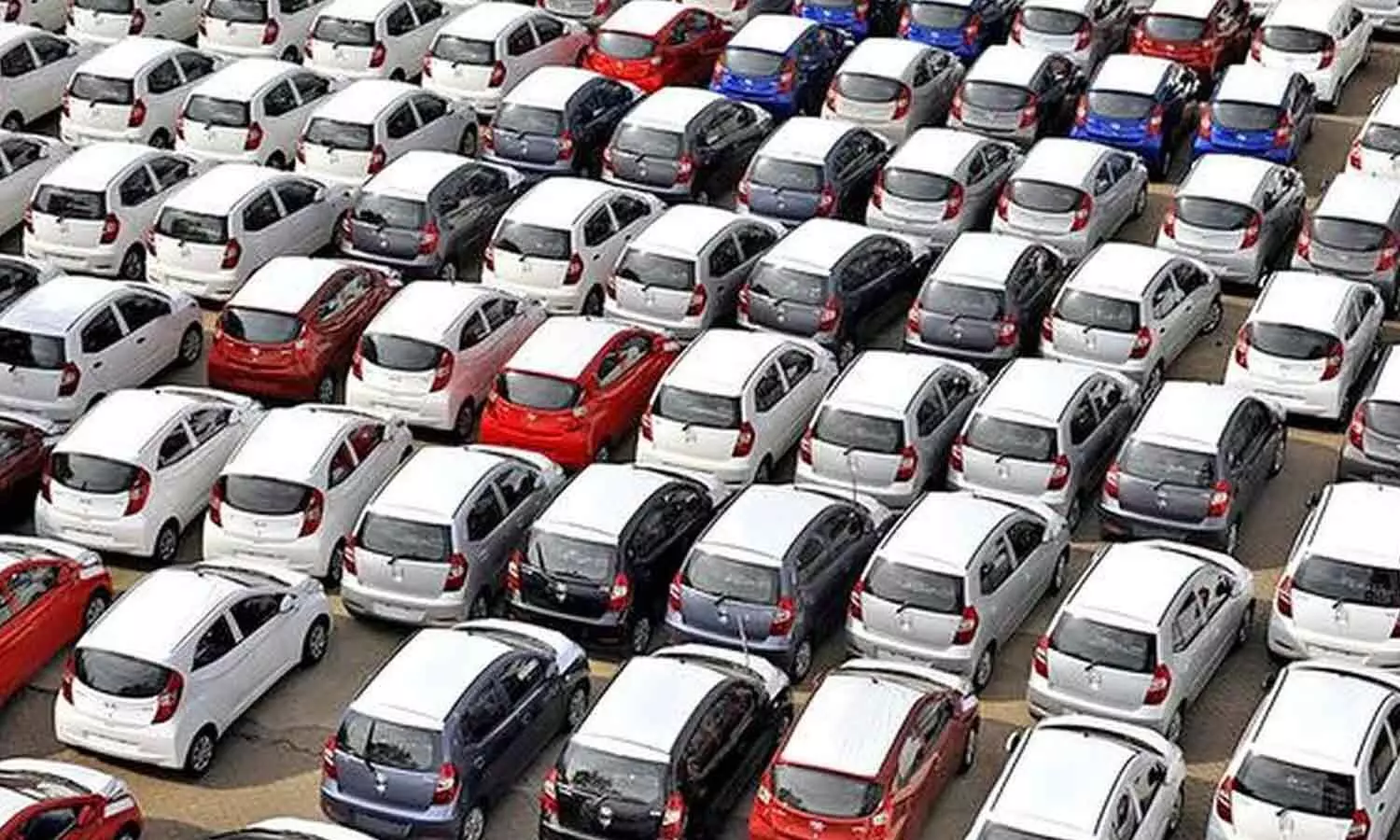
Stricter Safety Norms in India may Lead to Rise in Car Prices
Car prices might increase starting from April 2027 as India introduces stricter safety norms with rear impact rules from 2029, potentially adding another 10,000 to entry-level cars.
New car prices are expected to rise majorly starting April 2027 as stricter vehicle safety standards cover crash protection, pedestrian safety and anti-theft system which would be rolled in phases.
As per the recent circular, a separate rear impact requirement, effective April 2029, would require vehicles to prevent fuel leakage or battery damage in rear end collisions, potentially increasing the manufacturing costs.
The Ministry of Road Transport as well as Highways has staggered the implementation timelines to give manufacturers time to incorporate the changes.
Automakers will have to reassess vehicle structures and safety equipment to comply with the new requirements. Any additional material, engineering or validation cost could push up prices by at least by 10,000 for an entry level hatchback, stated an industry executive familiar with Vehicle development.
Stronger rear structure needed
Under the rear impact requirement, all new cars manufactured in India from April 2029 would pass a crash test demonstrating that petrol as well as diesel models do not suffer fuel leakage, while the electric vehicles should avoid battery damage.
Manufacture have traditionally prioritised high strength steel in vehicle front structures, given the prevalence of frontal collisions. Its use in rear sections has generally been lower across several models.
Complaint could require additional Hss at critical structural points, along with reinforcement around the fuel tanks in internal combustion engine vehicles and battery packs in electric cars. These changes could help increase vehicle weight and production costs, potentially pushing up ex-showroom prices.
Bolsonaro backs off Brazil poll challenge after Trump says 'I’m not running Brazil'
CBI withdraws pleas in SC seeking transfer of 2021 Bengal post-poll violence cases
Govt warns iPhone, Mac users against old software, urges immediate updates
The Psychology of CAT: Why Decision-Making Under Pressure Matters More Than Attempting Every Question
IMD Warns of Flash Flood Risk in 13 AP Districts
El Niño Threat: Telangana CM Orders Treated Water Use to Conserve Drinking Water
Congress To Roll Out 200 Buses for ‘Chalo Delhi’ November 1 Rally at Delhi
Congress Suffers Major Setback: Ballot Papers Fail to Save It from ‘Vote Chori’ Rout
CM Revanth Reddy directs officials to take steps to avoid water scarcity
AP SEC reschedules MPTC, ZPTC election schedule, polling in 5 November


