Over 80% of Indian IT workforce suffers from Fatty Liver Disease: UoH study

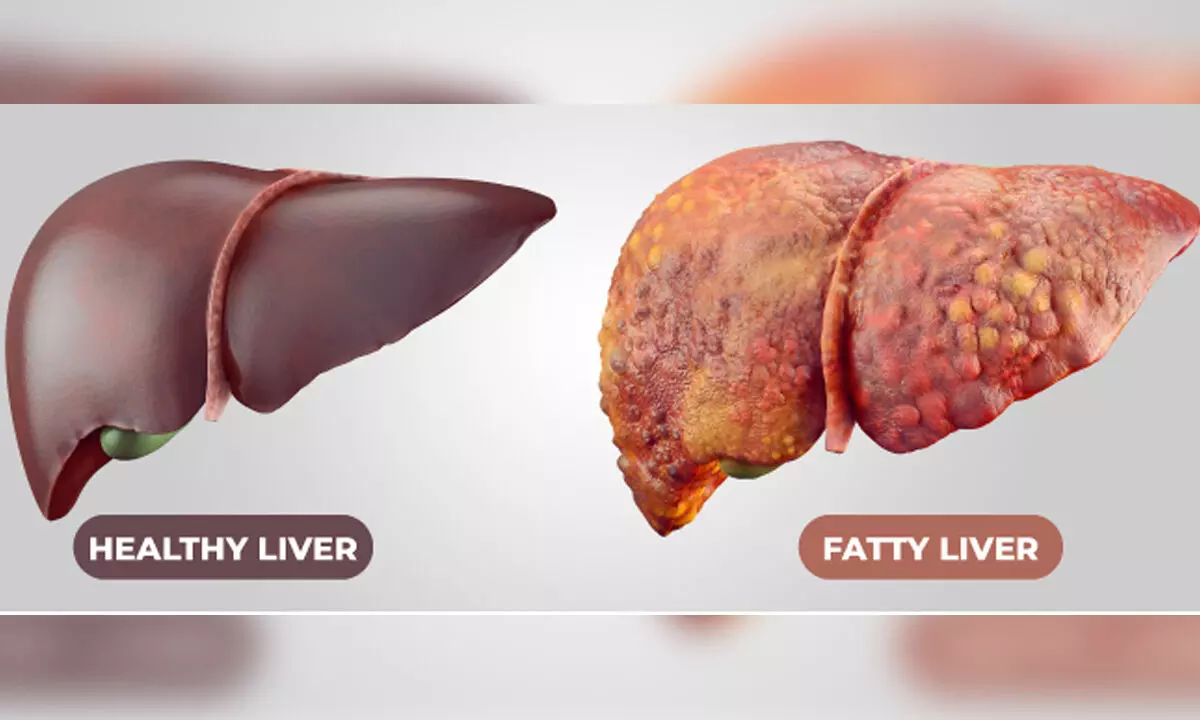
About 84 per cent of the IT employees in the country are suffering from Metabolic Dysfunction-Associated Fatty Liver Disease (MAFLD)
Hyderabad: About 84 per cent of the IT employees in the country are suffering from Metabolic Dysfunction-Associated Fatty Liver Disease (MAFLD). This has been revealed in a study conducted by University of Hyderabad (UoH) scientists and researcher scholars, in collaboration with a senior hepatologist of the Asian Institute of Gastroenterology (AIG) Hospital.
According to officials of UoH, the study also found that around 71 per cent of IT employees are obese and about 34 per cent have metabolic syndrome, a cluster of diseased conditions that increase the risk of fatty liver, obesity, diabetes and increased blood pressure. This condition among IT employees is attributed to the sedentary lifestyle, involving long hours of sitting at the desk, work-related stress, inadequate sleep and shift work. Unhealthy food habits such as intake of high-calorie diet, sugar-sweetened beverages and lack of physical activity are other factors fuelling the risk of several non-communicable diseases including fatty liver disease called MAFLD.
The research was conducted by Prof Kalyankar Mahadev and Prof CT Anitha, along with their research scholars Bharam Bhargava and Nanditha Pramod, in collaboration with senior hepatologist Dr PN Rao and his team from AIG Hospital. The research work has been accepted for publication in a peer-reviewed journal – Scientific Reports by Nature Publishers.
According to researchers, fatty liver occurs when more than five per cent of fat builds up in the liver due to various behavioural and metabolic risk factors. The condition, if unchecked, can progress to severe forms of liver diseases like cirrhosis and cancer, requiring liver transplantation. Although most of the major IT companies have an in-built health wellness programme, their employees should take advantage and adhere to the existing programmes for their physical well-being, the researchers said.
Regular and periodic health check-ups and screening for fatty liver along with proper work-life balance and stress management programmes may reduce the incidence of fatty liver, they added.