




- MP Congress questions Rs 575 Cr aircraft purchase by Mohan Yadav govt amid debt burden; seeks cost details
- YS Jagan addresses on local body elections, alleges YSRCP being obstructed
- India has recovered over 650 stolen ancient statues in 12 years: PM Modi
- Tirupati MP seeks removal of DIG, two SPs from Civic Poll duty
- Prabhas Birthday Special: Fauzi Poster Unveils His Mysterious Military Look
- Anupam Kher calls meeting Stevie Wonder backstage ‘surreal’, says his kindness touched him
- Bengaluru IED blast: Police verify footage from over 100 CCTVs, form 5 special teams
- Oppo Find X10 series launched with 200MP cameras, 8,000mAh batteries
Pakistan may exploit security threats to expand military influence: Report
In Short
As the country grapples with economic reform pressures, political turmoil, persistent insurgencies and worsening ties with Afghanistan, the risk of history repeating itself remains significant.

Share :
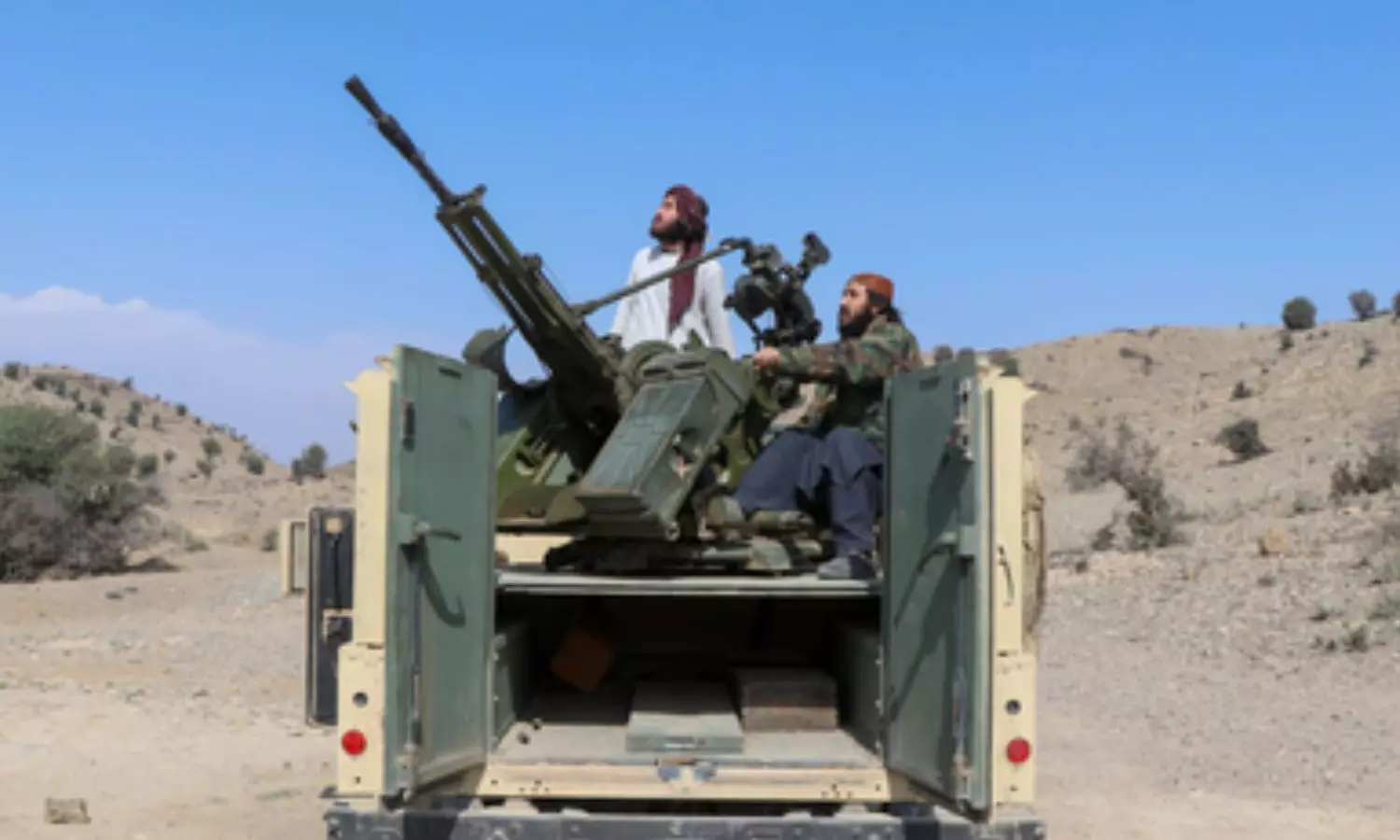
Pakistan’s current trajectory reflects the continuation
Islamabad: Pakistan’s current trajectory reflects the continuation of long-standing patterns in which domestic instability and regional security threats are used to justify expanding military influence and expenditure, a report has stated.
As the country grapples with economic reform pressures, political turmoil, persistent insurgencies and worsening ties with Afghanistan, the risk of history repeating itself remains significant. The security establishment could once again exploit these challenges to consolidate its institutional dominance, perpetuating a cycle in which short-term stabilisation comes at the cost of long-term democratic and economic development, according to a report in the 'International Centre for Peace Studies.'
The report noted that the surge in militant attacks in Khyber Pakhtunkhwa (KP) had deepened tensions between the federal government and the provincial administration. The provincial government had advocated counterterrorism strategies tailored to the region’s local complexities, a stance that created friction with the centre, it added.
The report also identified the ongoing insurgency in Balochistan, marked by a recent surge in attacks on military convoys, as a significant challenge for Pakistan.
Highlighting the growing border tensions, it said clashes broke out along the Pakistan–Afghanistan frontier soon after the Taliban’s return to power in 2021, contrary to Islamabad’s expectations that the new regime in Kabul would strengthen security along its western border.
Pakistan has since experienced a surge in militant attacks, prompting Islamabad to repeatedly accuse the Taliban government of providing safe havens to the Tehreek-e-Taliban Pakistan (TTP), which it blames for many of the attacks. The Taliban administration, however, rejects the allegations and holds Pakistan responsible for its own security problems, the report mentioned.
Emphasising how Pakistani authorities have often used domestic and regional security challenges to justify increased defence spending and strengthen the military’s role in national affairs, it said, “Such policies have, at various times, received Western financial and military support. The threat from Afghanistan could once again serve this purpose, potentially reinforcing a cycle in which a new militant group like the TTP emerges, creating new security challenges and providing further justification for military expenditure.”
Cong’s November 1 Rally in Delhi to Remind People of the 1984 Anti-Sikh Riots: BJP
AP Witnesses 31 Incidents of Poll-Related Violence
Earthquake Hits Tibet: 16 Dead, 76 Injured
PM Modi reiterates call for unity against divisive forces; emphasises self-reliance, Viksit Bharat by 2047
Nara Lokesh orders school building repair in Alluri district
Air India flight makes safe emergency landing in Hyderabad after glitch


