Tick Tock Treasure: Unlocking the Magic of Watch Winders

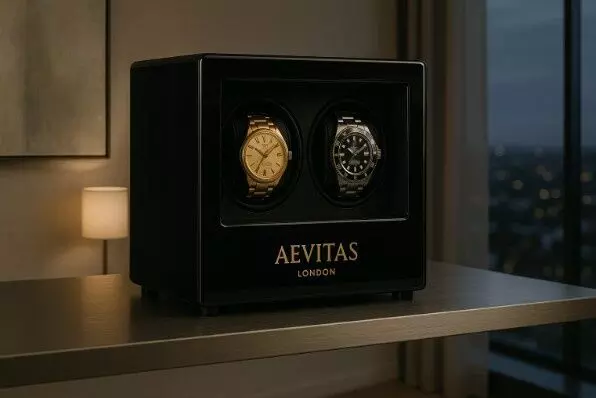
Watch winders are a must-have for anyone who cherishes their automatic watches. These clever devices keep your timepieces running smoothly, even when they’re not on your wrist. If you’ve ever wondered what a watch winder is, why it’s important, or how to choose the right one, this guide is for you. Let’s dive into the world of watch winders and explore everything you need to know in a simple, engaging way.
What Is a Watch Winder?
A watch winder is a device designed to keep automatic watches wound when they’re not being worn. Automatic watches, also called self-winding watches, rely on the movement of your wrist to power their internal mechanisms. Without regular motion, they stop ticking, which can be a hassle if you own multiple watches or don’t wear them daily.
Watch winders mimic the natural motion of your wrist by gently rotating the watch in a controlled manner. This keeps the watch’s mainspring wound, ensuring it stays accurate and ready to wear. Think of it as a cozy home for your watch, keeping it alive and ticking.
Why Are Watch Winders Important?
For watch enthusiasts, a watch winder is more than a luxury—it’s a practical tool. Here’s why:
- Maintains Accuracy: Automatic watches need consistent movement to stay precise. A watch winder ensures your timepiece is always set and ready.
- Prevents Wear and Tear: Restarting a stopped watch repeatedly can strain its delicate components. A winder keeps the movement smooth and reduces wear.
- Convenience: No need to reset the time, date, or complications like moon phases when you pick up your watch.
- Preserves Value: For collectors, keeping high-end watches in top condition can maintain or even increase their value over time.
According to a 2023 survey by a luxury watch magazine, 68% of automatic watch owners reported using a watch winder to maintain their collection, highlighting their growing popularity among enthusiasts.
How Do Watch Winders Work?
Watch winders operate by rotating the watch in a circular motion, simulating the natural movement of your wrist. Inside the winder, a motor powers a cushioned holder or cradle where the watch sits securely. The rotation keeps the watch’s rotor moving, which winds the mainspring and powers the watch.
Most watch winders offer customizable settings, such as:
- Rotation Direction: Some watches require clockwise, counterclockwise, or bi-directional winding.
- Turns Per Day (TPD): Different watches need a specific number of rotations to stay fully wound, typically ranging from 600 to 1200 TPD.
- Rest Periods: Advanced winders include pause cycles to prevent overwinding and mimic natural wear patterns.
For example, a high-end automatic watch might need 800 TPD in a bi-directional setting, while a simpler model might require fewer turns. Checking your watch’s manual is key to setting the winder correctly.
Who Needs a Watch Winder?
Not everyone with an automatic watch needs a winder, but certain people benefit the most:
- Watch Collectors: If you own multiple automatic watches and rotate between them, a winder keeps your collection ready to wear.
- Busy Professionals: For those with packed schedules, a winder eliminates the hassle of resetting watches.
- Luxury Watch Owners: High-end watches with complex features (like perpetual calendars) are easier to maintain with a winder.
- Occasional Wearers: If you wear your watch only for special occasions, a winder keeps it running smoothly in between.
If you own just one automatic watch and wear it daily, you might not need a winder, as your wrist’s movement will keep it powered.
Types of Watch Winders
Watch winders come in various styles and capacities to suit different needs. Here’s a breakdown of the main types:
1. Single Watch Winders
Perfect for those with one or two automatic watches, these compact devices focus on simplicity and portability. They’re ideal for beginners or those with limited space.
2. Multi-Watch Winders
Designed for collectors, these winders can hold and rotate multiple watches at once—some accommodate up to 12 or more. They’re great for showcasing a collection while keeping every piece wound.
3. Modular Winders
These allow you to add or remove units as your collection grows. Modular systems are flexible and cost-effective for expanding watch collections.
4. Luxury Winders
High-end winders combine functionality with stunning aesthetics, often featuring premium materials like wood, leather, or glass. They’re as much a display piece as a practical tool.
5. Travel Winders
Compact and often battery-powered, travel winders are perfect for keeping your watch wound on the go. They’re lightweight and fit easily into luggage.
Key Features to Look for in a Watch Winder
Choosing the right watch winder can feel overwhelming, but focusing on these key features will help you make an informed decision:
- Adjustable Settings: Look for winders with customizable TPD and rotation direction to match your watch’s needs.
- Quiet Motor: A silent or near-silent motor ensures the winder won’t disturb you, especially if it’s in your bedroom or office.
- Quality Materials: Durable materials like wood, metal, or high-grade plastic ensure longevity and protect your watch.
- Power Options: Some winders run on AC power, while others offer battery options for portability.
- Design and Size: Choose a winder that fits your space and complements your style, whether sleek and modern or classic and elegant.
Pro tip: Always check the winder’s compatibility with your watch’s specific winding requirements to avoid overwinding or under-winding.
Benefits of Using a Watch Winder
Investing in a watch winder offers several advantages beyond keeping your watch ticking. Here’s why they’re worth considering:
- Time-Saving: No need to manually wind or reset your watch, especially for models with complex features.
- Extended Watch Lifespan: Consistent movement reduces strain on the watch’s internal components, potentially extending its life.
- Aesthetic Appeal: A well-designed winder doubles as a display case, showcasing your watches beautifully.
- Peace of Mind: Knowing your watches are always ready to wear eliminates stress and keeps your collection in top shape.
A 2024 study by a watch repair association found that watches kept on winders required 20% fewer maintenance visits over five years compared to those manually wound, highlighting their role in watch care.
Common Myths About Watch Winders
There are some misconceptions about watch winders that can confuse new buyers. Let’s clear them up:
Myth 1: Watch Winders Damage Watches
When used correctly, watch winders are safe and beneficial. Overwinding is rare with modern winders, as most watches have a clutch mechanism to prevent it. Just ensure the TPD and direction settings match your watch’s requirements.
Myth 2: All Watches Need a Winder
Not true! If you wear your automatic watch daily, your wrist’s movement is enough to keep it wound. Winders are most useful for watches worn infrequently or as part of a collection.
Myth 3: Expensive Winders Are Always Better
While high-end winders offer premium features and aesthetics, many affordable models work just as well for basic needs. Focus on functionality and compatibility over price.
How to Choose the Right Watch Winder
Selecting a watch winder depends on your needs, budget, and collection size. Here’s a step-by-step guide to help you decide:
- Assess Your Collection: How many watches do you need to wind? A single winder works for one or two, while multi-watch or modular winders suit larger collections.
- Check Watch Specifications: Look up your watch’s TPD and winding direction in its manual to ensure the winder is compatible.
- Set a Budget: Winders range from $50 to thousands of dollars. Decide what features matter most, like quiet motors or premium materials.
- Consider Aesthetics: Choose a design that complements your space, whether it’s a minimalist winder or a luxurious display piece.
- Read Reviews: Look for user feedback to ensure reliability and performance, especially for budget-friendly models.
For example, if you own three automatic watches and want a winder for home use, a multi-watch winder with adjustable TPD and a quiet motor is a great choice.
Caring for Your Watch Winder
To keep your watch winder in top condition, follow these simple tips:
- Clean Regularly: Dust the winder with a soft cloth to prevent buildup on the exterior or watch holder.
- Check Settings: Periodically verify that the TPD and rotation settings match your watch’s needs.
- Store Safely: Keep the winder in a dry, dust-free environment to protect both the device and your watches.
- Inspect the Motor: If the winder becomes noisy or stops working, contact the manufacturer for repairs or replacement.
Are Watch Winders Worth It?
For many watch enthusiasts, the answer is a resounding yes. Watch winders offer convenience, protect your investment, and add a touch of elegance to your collection. While they’re not essential for everyone, they’re a game-changer for collectors or anyone who values the longevity and accuracy of their automatic watches.
If you’re on the fence, consider your lifestyle. Do you frequently rotate between watches? Do you hate resetting the time and date? If so, a watch winder could be a smart addition to your watch-care routine.
Conclusion
Watch winders are more than just gadgets—they’re essential tools for keeping your automatic watches in peak condition. By understanding how they work, their benefits, and how to choose the right one, you can ensure your timepieces stay ticking and ready to wear. Whether you’re a seasoned collector or a first-time buyer, a watch winder is a small investment that delivers big rewards.
Ready to explore watch winders? Start by checking your watch’s winding requirements and finding a winder that fits your style and budget. Your watches deserve to shine, and a winder will keep them ticking in style.