Trump Imposes New Tariffs, Declares 'Liberation Day' for U.S. Trade

US Targets China-Linked Ships With New Port Fees Amid Trade Tensions
Trump announces sweeping new tariffs, calling it 'Liberation Day.' A 20% auto tariff takes effect Thursday, sparking global trade tensions.
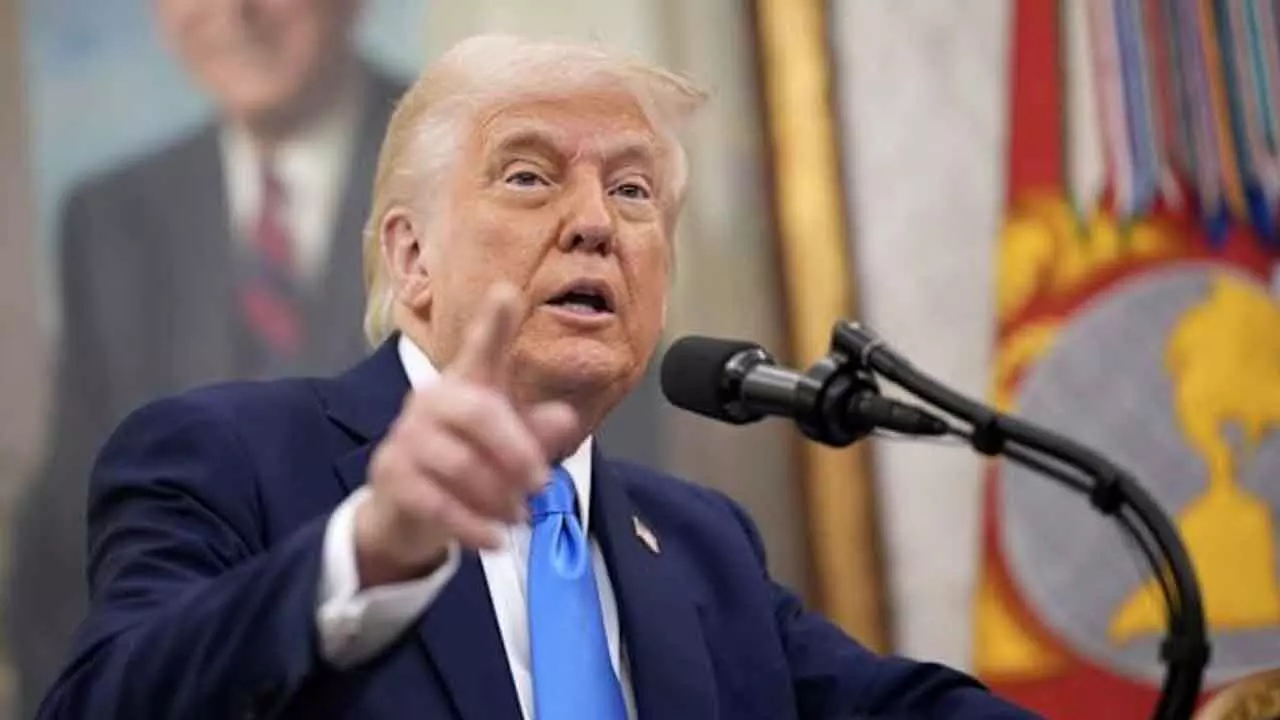
President Donald Trump is set to introduce a broad set of tariffs as part of his economic policy overhaul, a move he has labeled "Liberation Day." The announcement, scheduled for 4:00 p.m. ET in the White House Rose Garden, will outline new tariffs designed to counter trade imbalances. The centerpiece of the plan includes a 20 per cent tariff on imported automobiles, set to take effect Thursday.
The administration’s "reciprocal tariffs" policy aims to mirror levies imposed on American exports by foreign nations. Trump argues that these measures will correct longstanding trade "injustices," but critics caution that they could provoke a global trade conflict. Among the most affected sectors is the automotive industry, with concerns over rising consumer costs and potential supply chain disruptions.
Several nations are already weighing their responses. Canada has pledged to protect its workers and is exploring retaliatory tariffs. The European Union remains open to negotiations but warns of countermeasures. Meanwhile, China, Japan, and South Korea are discussing trade partnerships to mitigate the impact.
The tariffs are expected to generate approximately $600 billion annually, according to White House trade adviser Peter Navarro, making it one of the most significant tax increases in recent history. Treasury Secretary Scott Bessent has indicated that while the tariffs will be implemented broadly, they could be adjusted through negotiations.
Economists warn that the policy could drive up consumer prices and increase inflation, as businesses pass costs onto customers. The auto industry, a major driver of global trade, is already seeing stock market reactions, with shares of major manufacturers dipping in anticipation of the tariffs.
The United States’ major trading partners are closely monitoring the situation. Mexico, facing a 25 per cent tariff on auto imports, has ruled out a tit-for-tat response but insists on continued diplomatic engagement. Israel, in contrast, has responded by eliminating tariffs on American-made goods, citing the strong economic alliance between the two nations.
In Canada, businesses are turning to European markets in anticipation of trade disruptions. Meanwhile, Japan’s auto industry has expressed concerns over supply chain instability.
With the tariff on imported vehicles set to take effect, American consumers could see an increase of approximately 13.5 per cent in car prices, translating to an additional $6,400 per vehicle. Broader price hikes are expected across various sectors reliant on imports, with household expenses projected to rise by $500-$600 annually.
Trump has dismissed concerns over price increases, insisting that the policy will encourage consumers to buy American-made products. However, given that nearly half of the cars sold in the U.S. are imported, the long-term impact remains uncertain.
Trump has signaled that additional tariffs may be introduced, with particular focus on what he calls the "Dirty 15"—countries he claims have taken advantage of U.S. trade policies. His administration argues that tariffs will boost domestic manufacturing, strengthen national security, and create revenue streams for tax cuts.
Economists, however, caution that tariffs could reduce overall economic growth, as higher prices limit consumer spending and strain global trade relationships.