City Unveils Comprehensive EV Policy to Slash Emissions and Modernize Transport

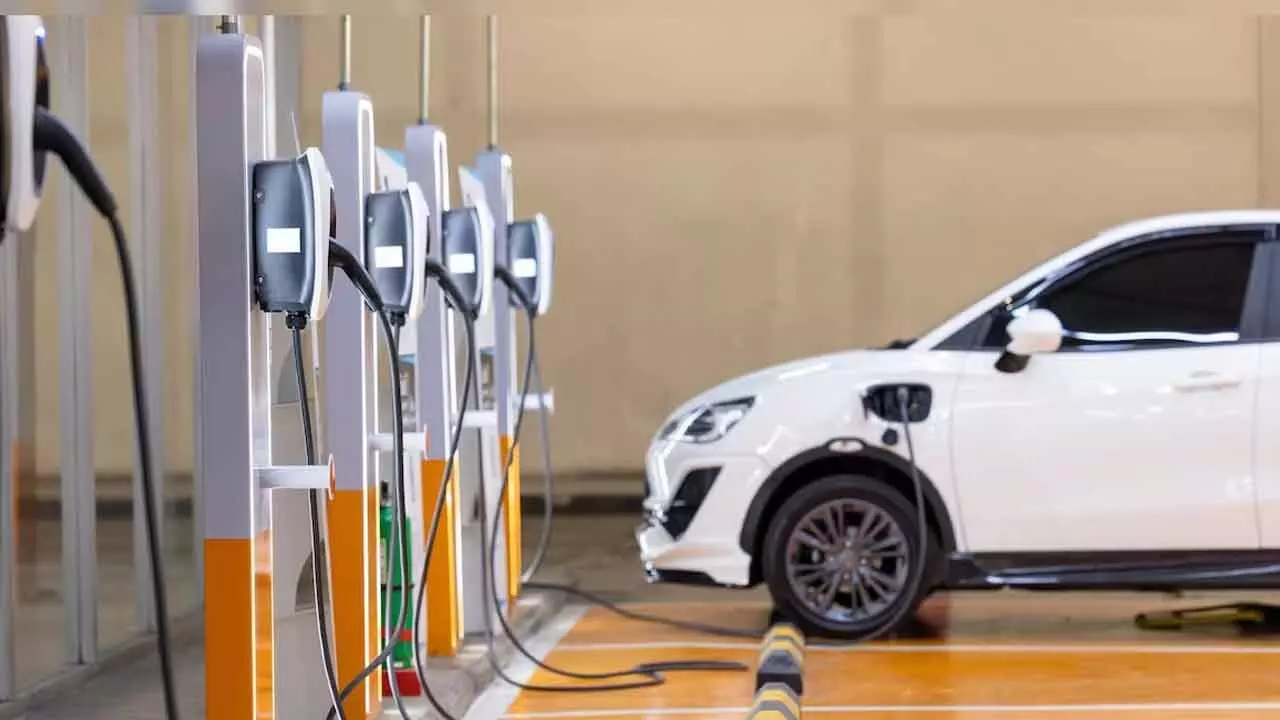
A new EV policy aims to electrify 80% of government fleets, restrict polluting vehicles in eco-zones, and introduce ANPR-based enforcement to curb emissions and traffic congestion.
The city has introduced a comprehensive EV policy to drive its transition toward cleaner transportation. A key target is to convert 80% of government vehicle fleets to clean fuel. In ecologically sensitive areas such as forests and protected zones, only electric vehicles will be permitted. Non-essential, non-electric vehicles will be gradually phased out in a structured manner.
To further reduce pollution, Automatic Number Plate Recognition (ANPR) cameras will be installed at all city entry points. These smart systems will detect and flag End-of-Life (EoL) vehicles, triggering real-time SMS alerts and public billboard notifications to prevent their entry. ANPR systems will also be deployed at fuel stations to enhance enforcement.
A smart traffic management system will be rolled out to address urban congestion—one of the major causes of vehicular pollution. Additionally, Pollution Under Control (PUC) centres will undergo mandatory audits every six months to ensure compliance with emission norms.
Responding to public queries, Chief Minister Gupta confirmed that the Odd-Even rule will not be reinstated, calling it a short-term measure. “We need scalable, long-term solutions—not temporary fixes,” she stated.