Courts Expose Fabricated Evidence In Multiple Delhi Riots Acquittals

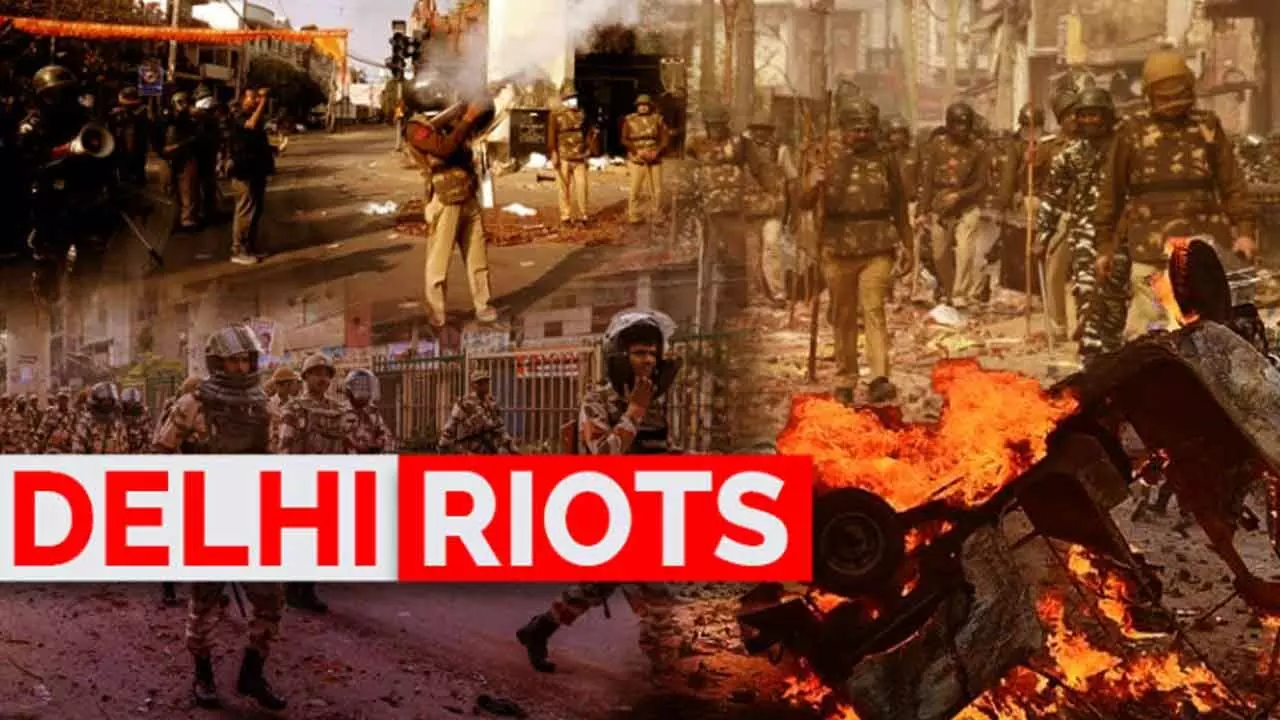
- In 17 of 93 Delhi riots cases, courts have flagged manipulated evidence, fictitious witnesses, and police misconduct.
- Judges point to rights violations and unreliable testimonies that led to acquittals in the 2020 violence cases.
In a disturbing revelation, courts handling the Delhi riots cases have flagged fabricated evidence, false testimonies, and police malpractice in a substantial number of acquittals. Out of 93 cases in which the accused were acquitted, 17 were specifically highlighted by judges for containing manipulated or unreliable evidence that cast serious doubts on the integrity of the investigation process.
The Delhi riots, which erupted in February 2020 following protests against the Citizenship Amendment Act (CAA), left at least 53 people dead and over 700 injured. Since then, numerous cases were registered against protestors and individuals allegedly involved in the violence. However, repeated scrutiny by courts has exposed troubling patterns of misconduct in many of these cases.
The judiciary noted several irregularities, including complaints drafted on the “direction or dictation” of police officers rather than based on the complainant’s actual statement. In several instances, witnesses presented in court were found to be “artificial,” with testimonies crafted to fit the prosecution’s narrative. Courts also observed that investigating officers had spiced up witness statements with “additional facts,” further undermining their credibility.
One particularly egregious example involved a constable’s claim that he had personally witnessed an accused at the crime scene, despite no corroborating evidence. Similarly, accused persons were identified through processes shrouded in uncertainty and doubt, with courts expressing concern over the reliability of such identifications.
Judges went further to describe how entire cases appeared to have been “foisted” upon the accused, with fabricated narratives constructed to implicate individuals who may have had no connection to the events in question. These findings reflect a serious erosion of due process and fundamental rights, leading courts to sharply criticize the manner in which police handled evidence and testimonies.
Legal experts say the judgments underscore the need for greater accountability in law enforcement agencies and call for reforms to ensure that investigations are fair and transparent. The repeated exposure of flawed investigations threatens public trust and emphasizes the importance of safeguarding citizens’ rights, especially in politically sensitive cases.
The Delhi riots cases, already highly polarized and politically charged, have now raised wider concerns about the impartiality of investigations and the pressures faced by police forces in high-profile cases. The courts’ pointed remarks serve as a reminder that justice cannot be achieved through coercion or manipulation, and that every citizen’s rights must be upheld in accordance with the rule of law.
Next Story