India Strongly Refutes Islamic Organization's Comments On Domestic Affairs

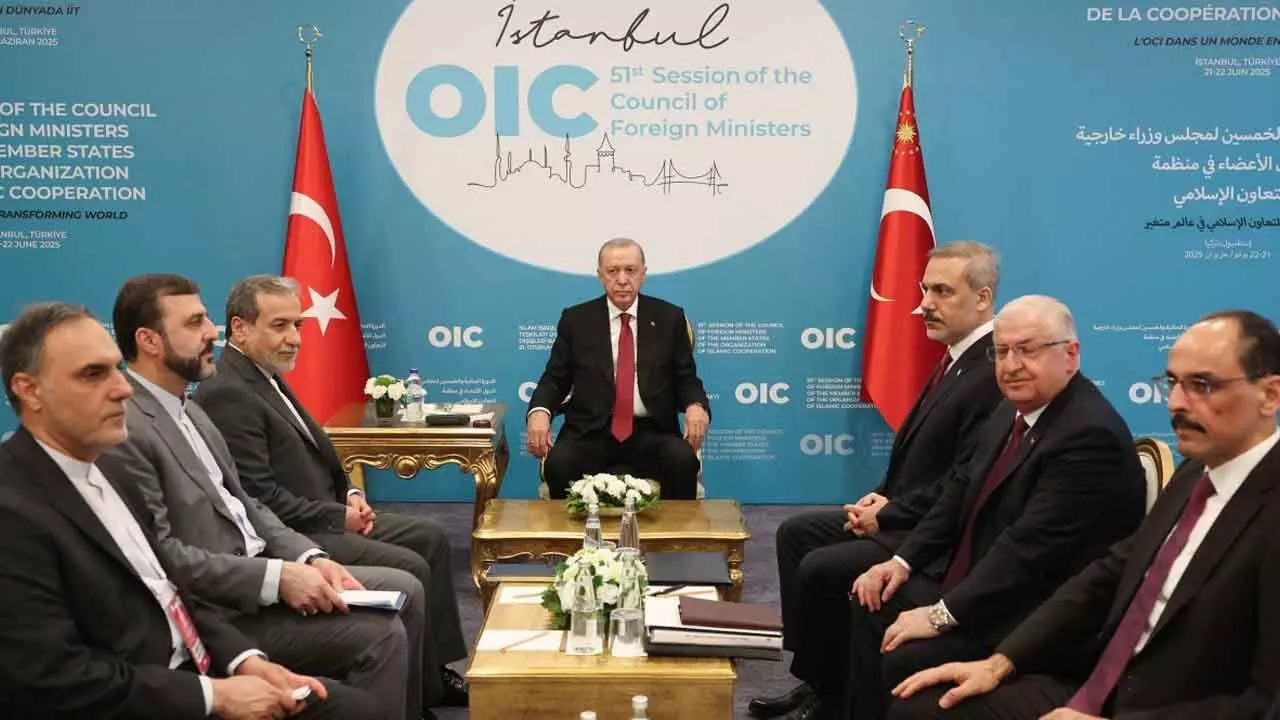
India categorically rejects Organization of Islamic Cooperation's criticism regarding treatment of Muslims and Kashmir, accusing Pakistan of manipulating the Islamic bloc for political purposes.
India delivered a sharp diplomatic rebuke on Monday in response to criticism from the Organization of Islamic Cooperation, dismissing the Islamic bloc's comments as baseless and politically motivated. The strong reaction followed a two-day foreign ministerial gathering in Turkey where the OIC raised concerns about various Indian policies.
The Ministry of External Affairs issued a comprehensive statement rejecting what it characterized as "unwarranted and factually incorrect" references made during the OIC council meeting. New Delhi particularly took exception to the organization's commentary on the treatment of Muslims within India and other domestic matters.
According to Indian officials, the OIC's criticism stemmed from what they described as Pakistan's influence over the organization's agenda. The ministry accused Pakistan of systematically weaponizing terrorism as a tool of statecraft while simultaneously manipulating international forums to advance its political objectives against India.
During the Istanbul conclave, the Islamic organization had expressed concerns about what it termed the social marginalization of Indian Muslims and called for adherence to existing bilateral agreements between India and Pakistan, including the Indus Waters Treaty. The bloc also advocated for comprehensive dialogue to resolve outstanding disputes between the neighboring nations.
India's foreign ministry responded by asserting that the OIC lacked the authority to comment on India's internal affairs, particularly regarding Jammu and Kashmir. Officials emphasized that Kashmir constitutes an integral and sovereign part of India, a status they described as constitutionally enshrined and permanently settled.
The Indian government specifically addressed Pakistan's allegations regarding recent military operations, defending Operation Sindoor as a legitimate act of self-defense. The ministry characterized the operation as a precise response to terrorist attacks launched from Pakistani territory, particularly referencing the Pahalgam incident that resulted in significant casualties.
New Delhi highlighted what it described as the irony of Pakistan raising concerns about counter-terrorism measures, given what India characterized as Pakistan's history of harboring and supporting terrorist organizations. The ministry pointed to Pakistan's track record on human rights and minority protection as undermining its credibility to criticize other nations.
The statement also addressed Pakistan's claims about targeting military installations, noting that Pakistan's retaliatory attempts had failed while endangering civilian populations and resulting in civilian casualties. This response aimed to counter narratives about proportionality and precision in military operations.
Indian officials expressed frustration with what they perceived as the OIC's consistent failure to acknowledge documented threats posed by terrorism originating from Pakistani territory. They argued that this selective approach reflected a willful disregard for factual evidence, particularly in light of recent terrorist incidents.
The ministry warned that allowing Pakistan's influence to shape the OIC's agenda could undermine the organization's credibility and international relevance. This cautionary message appeared designed to encourage other OIC members to consider the implications of Pakistan's role in shaping the bloc's positions.
India's response emphasized its rejection of what it termed Pakistan's "baseless allegations" regarding unprovoked military aggression. The government maintained that its operations were defensive in nature and targeted specific terrorist infrastructure rather than constituting broader military campaigns.
The diplomatic exchange reflects ongoing tensions between India and Pakistan, with both nations continuing to use international forums to present their respective narratives. The OIC's position demonstrates the continued relevance of Islamic solidarity in shaping organizational stances on conflicts involving Muslim populations.
New Delhi's firm response indicates its unwillingness to accept international criticism of domestic policies, particularly when such criticism is perceived as being influenced by adversarial nations. The statement reinforces India's position that external organizations should not interfere in what it considers internal constitutional matters.
The incident highlights the complex dynamics of multilateral diplomacy, where regional conflicts often play out in international forums through competing narratives and influence campaigns. Both India and Pakistan continue to seek validation for their positions through engagement with various international organizations and their member states.