Maharashtra Government Challenges Thane Court’s Order In Badlapur Encounter Case

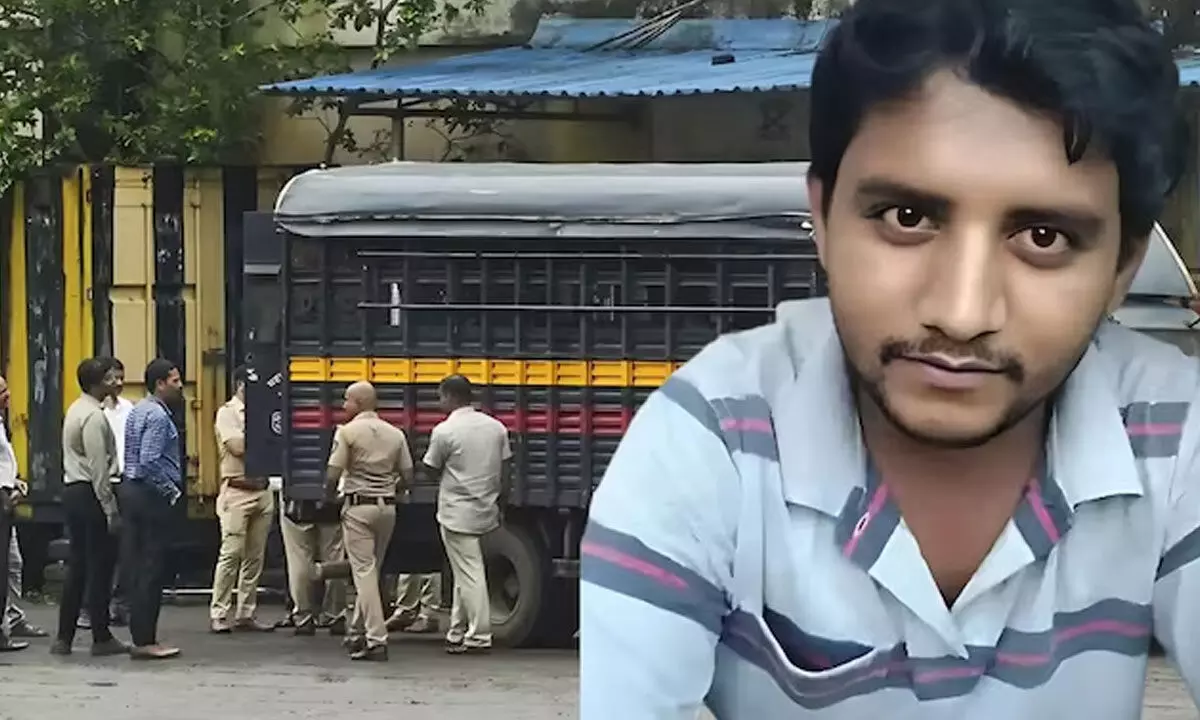
After being questioned by the Bombay High Court, the Maharashtra government has filed an appeal against the Thane Sessions Court order that suspended key portions of a Magistrate’s report on the Badlapur police encounter.
Following strong remarks from the Bombay High Court, the Maharashtra government has moved an appeal challenging the Thane Sessions Court’s decision to put key sections of a Magistrate’s report on hold in the Badlapur police encounter case. The Sessions Court had taken this step after policemen involved in the case contested the report’s findings.
The state’s plea was urgently mentioned before Justice RN Laddha’s bench, which scheduled a hearing for two weeks later.
The government contends that the Sessions Judge wrongly interpreted the Magistrate’s report, incorrectly concluding that it assigned criminal responsibility to the policemen for the death of prisoner Akshay Shinde. The plea further argues that the judge exceeded judicial authority by ruling that the Magistrate’s findings lacked jurisdiction and were recorded illegally.
According to the state, the Thane Sessions Court’s order is legally flawed, contradicts case facts, and disregards established legal principles. It also claims that the judge failed to fully assess the January 17, 2025, report and the ongoing CID investigation, which had examined case records to determine the cause of death in custody.
Furthermore, the state argues that the Sessions Judge misinterpreted Section 196 of the BNSS, which aligns with Section 176(1)(a) of the CrPC concerning custodial death inquiries. It asserts that the judge had no grounds to suspend parts of the report before allowing the victims a chance to be heard.
Last week, the Bombay High Court expressed shock upon learning of the Sessions Court’s order and questioned the government’s stance on challenging it. In response, the state promptly decided to file the appeal, seeking to overturn the lower court’s ruling.