Modi Defends India's Suspension Of Indus Waters Treaty With Pakistan

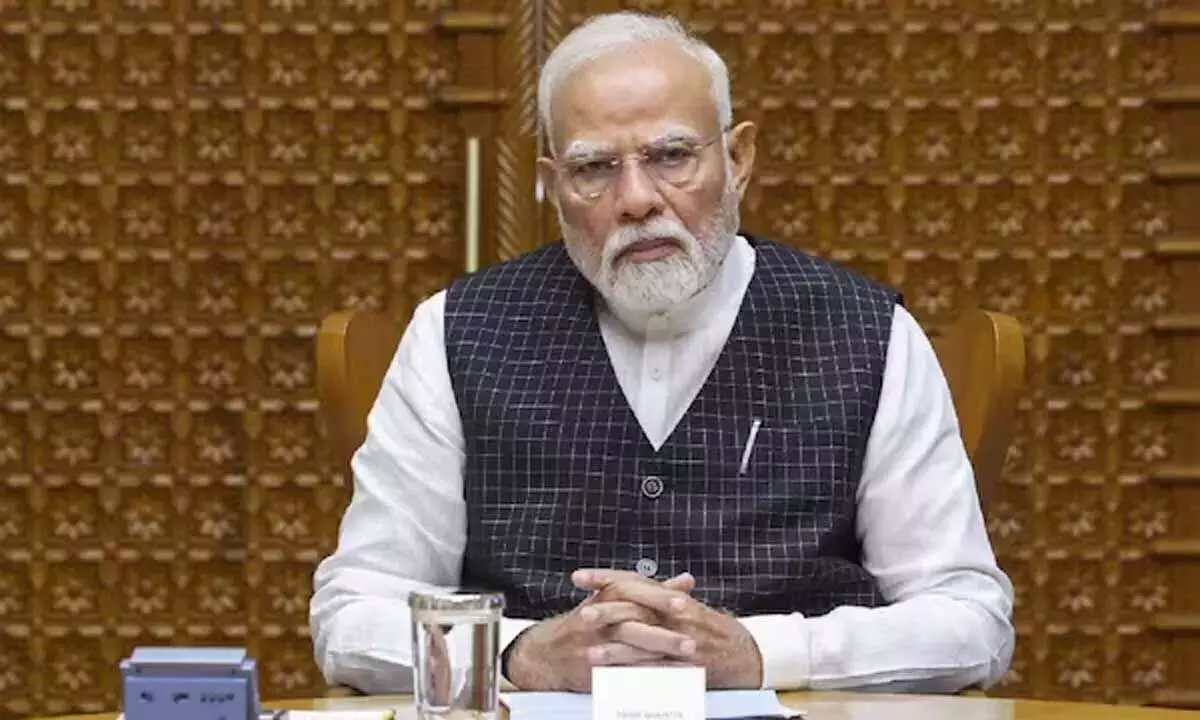
Prime Minister Narendra Modi publicly addresses India's historic suspension of the Indus Waters Treaty with Pakistan, stating that India's water resources will now remain within the country following the Pahalgam terror attack.
Prime Minister Narendra Modi has made his first public statement regarding India's unprecedented decision to suspend the long-standing Indus Waters Treaty with Pakistan, emphasizing that water rightfully belonging to India will now be retained for domestic use.
During an ABP News event, the Prime Minister declared in Hindi, "Earlier, even India's rightful share of water used to flow out. Now, India's water will flow for India, stay for India, and serve India."
This significant diplomatic move follows the government's recent announcement suspending the water-sharing agreement that had been in place since 1960 when it was negotiated by the World Bank. The decision comes in response to the deadly terrorist attack in Pahalgam that resulted in 26 civilian casualties.
The suspension was approved by the Cabinet Committee on Security, India's highest national security decision-making body. Government officials have indicated that the suspension will continue until Pakistan ceases support for cross-border terrorism—an issue India has repeatedly raised in international forums.
This marks the first time in the treaty's 64-year history that India has formally paused its implementation, representing a significant shift in diplomatic strategy. Despite periodic tensions and calls for review over the decades, the agreement had previously remained operational.
Modi also criticized previous administrations for their reluctance to take firm action, stating: "There was a time when, before taking any essential step, people used to think what the world would think... They used to think whether they would get a vote, and whether their seat would be safe. Because of these reasons, major reforms were delayed. No country can move forward like this. The country moves forward when we keep the nation first."