New Delhi's biggest trade deal ever

HIGHLIGHTS
- Easier trade:The deal will make it easier for both sides to buy and sell goods and services by lowering or removing many trade barriers.
- More exports for India: Over 99 per cent of Indian exports by value will get better access to EU markets, while the EU expects its exports to double by 2032.
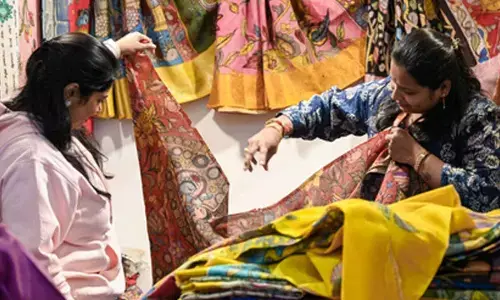
- Boost for key Indian sectors: Industries like textiles, apparel, leather, footwear, marine products, gems and jewellery, handicrafts, engineering goods and automobiles will benefit the most.
- Lower duties: Tariffs of up to 10 per cent on about $33 billion worth of Indian exports will be reduced to zero once the agreement comes into effect.
- Support for jobs and small businesses: The deal will help create jobs and support workers, artisans, women, youth, and small businesses.
- Automobile sector: EU carmakers will have limited entry into India, while cars made in India will have better access to EU markets. Indian buyers will get more choices.
- Agriculture sector: Products including tea, coffee, spices, fruits, vegetables and processed food will get better access to the EU, while sensitive areas like dairy and cereals are protected.
- Services trade boost: Strong benefits for IT, IT-enabled services, professional services, education, finance, tourism and construction.
- Easier movement of people: Skilled Indian professionals, business visitors, students and researchers will find it easier to move between India and EU countries. Better options for study, post-study work and professional services in Europe.
- Traditional medicine access: Practitioners of Indian traditional medicine can work in some EU countries.
India and the European Union (EU) on Tuesday announced the conclusion of negotiations over a free trade agreement (FTA) that would see the EU drop tariffs on 99.5% of items India exports to the region, with most tariffs going down to 0% immediately once the agreement comes into effect. India has given tariff concessions on 97.5% of the traded value between the two economies.
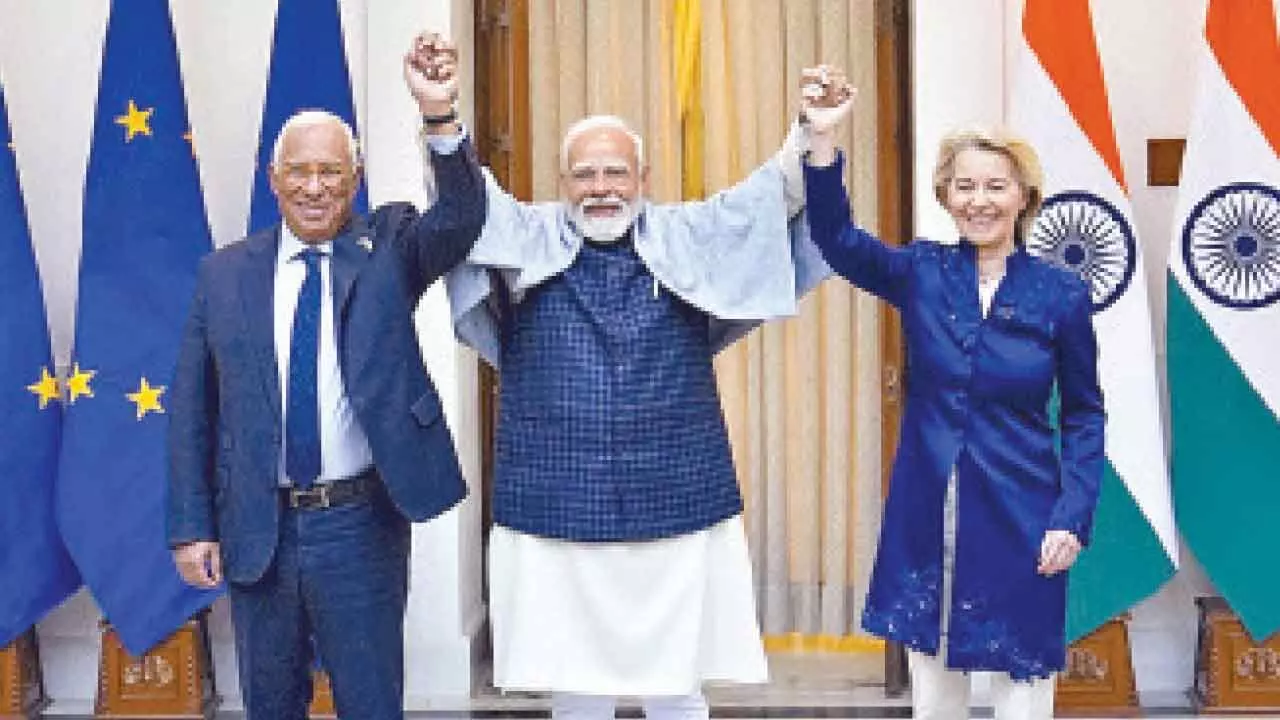
Commerce Minister Piyush Goyal and European Commissioner for Trade and Economic Security Maroš Šefčovič signed the joint announcement on the conclusion of the negotiations on the FTA, in the presence of Prime Minister Narendra Modi and European Commission President Ursula von der Leyen, as well as President of the European Council António Costa.
The negotiations for the FTA began back in 2007 but faced multiple delays due to various issues, including differences over market access, intellectual property rights, and environmental standards.
"Today India has concluded the biggest free trade agreement in its history. "It will facilitate access to the European market for our farmers and small industries, create new opportunities in manufacturing and services sectors," PM Modi said in his media statement. "This FTA will boost investment between India and the European Union, create new innovation partnerships and strengthen supply chains globally. This means it is not just a trade agreement. This is a new blueprint for shared prosperity," he said.
"India is a land of opportunities for the energy sector as demand is continuously increasing … India will soon become the world's largest oil refining hub” The Prime Minister said the nation is targeting USD 100 billion investments in the oil and gas sector by 2030, and the oil refining capacity will be expanded from 260 million tonnes per annum to 300 MTPA.