War jolts India’s energy lifeline

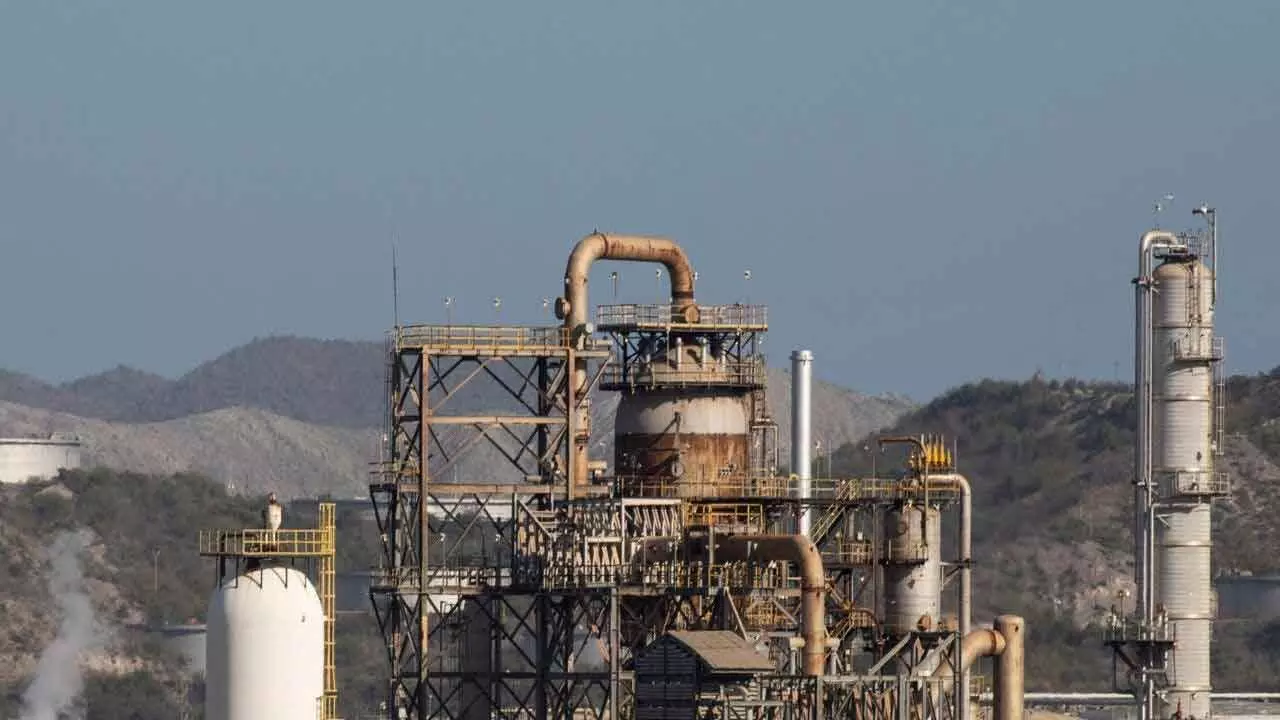
New Delhi: Indian firms that use LNG are gearing up for cuts in supplies and higher prices for natural gas, which runs their turbines, arc furnaces, smelters, and other heavy machinery besides being feed for fertiliser and petro-chemical companies.
Qatar which accounts for more than 40 per cent of India’s LNG supplies has announced shutting down of its liquefied natural gas facilities after Iranian drone strikes on Monday at the West Asian nation’s Ras Laffan complex.
At the same time, the shipping price for very large oil tankers (called VLCCs) that can carry 2 million barrels of oil from West Asia to India, Japan, Korea and China reached a record high of USD 423,736, up by 94 per cent, according to the London Stock Exchange group.
The war in the Gulf is forcing India to face up to an old but as yet unresolved dilemma of how to buttress its energy lifelines from a war in oil-rich West Asia. New Delhi’s response is part quiet contingency planning to insulate it from any coming oil price shock, while trying to reassure markets that the scale of its exposure will not impact India’s energy hungry economy.
Approximately, about 60 per cent of India’s LNG imports and half of its crude oil imports of about 2.5 to 2.7 million barrels per day, transit through the Strait of Hormuz, the narrow waterway between Oman and Iran. Besides shipping costs and LNG shut downs, India has to contend with ever rising crude prices.