Apple May Use Google’s Gemini to Supercharge Siri in iPhone 17

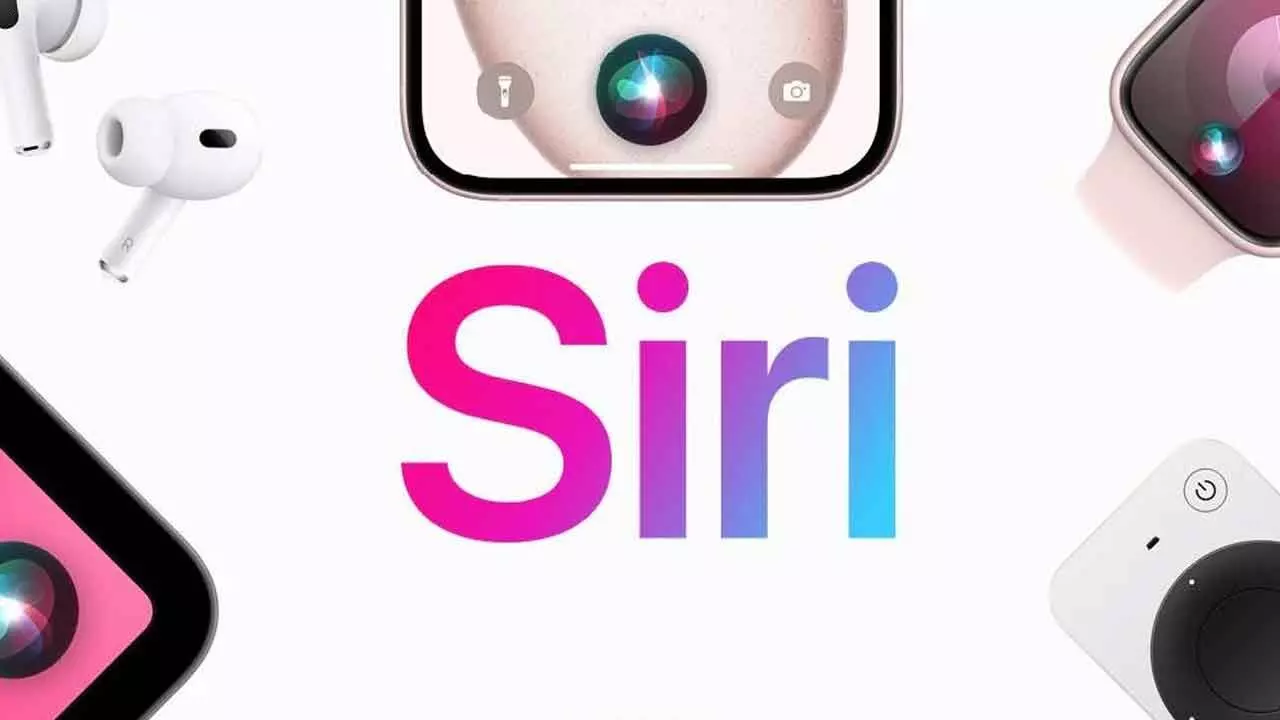
Apple is reportedly preparing a major Siri overhaul for iPhone 17, potentially powered by Google’s Gemini AI for smarter search.
Apple is preparing one of the most significant updates to Siri since its debut more than a decade ago—and this time, it might not be going solo. According to Bloomberg’s Mark Gurman, the company is working on an advanced AI-powered search system for Siri, with Google’s Gemini potentially playing a crucial role.
The reported plan involves Apple leveraging a customised version of Google’s Gemini AI that would operate on Apple’s own servers. While the idea of Apple leaning on Google—its longtime rival—may raise eyebrows, the move signals how the fast-paced AI race is pushing even the biggest players to rethink their strategies.
For years, Apple has been criticised for falling behind competitors like Amazon’s Alexa, Google Assistant, and, more recently, AI chatbots such as ChatGPT. Efforts to make Siri smarter faced setbacks when rivals poached Apple’s top machine learning talent, and lawsuits further slowed progress. At one point, outsourcing parts of Siri’s intelligence would have looked like a concession. But today, it appears to be a pragmatic way forward: catching up quickly while minimising risks.
Neither Apple nor Google has confirmed the partnership. Still, sources familiar with the matter suggest both companies are open to collaboration. If finalised, the deal would expand on the existing arrangement that already makes Google Search the default engine on Apple devices. It would also mirror Apple’s limited integration of ChatGPT earlier this year.
What the Upgraded Siri Could Do
Internally, Apple engineers are calling the new capability World Knowledge Answers. Unlike today’s Siri, which often provides lists of links, the upgraded version could generate AI-driven summaries complete with text, images, videos, and even location-based details. Think of it less as a basic assistant and more as a conversational research partner, similar to what OpenAI and Perplexity offer.
The redesign will reportedly rely on a three-part system. First is a planner, which interprets what users say or type. Next comes a search layer, capable of pulling information not only from the web but also from the user’s personal device. Finally, a summariser condenses everything into concise, context-rich answers.
Perhaps most exciting is Siri’s new contextual awareness. The assistant would be able to recognise what’s on your screen and act accordingly. Imagine asking Siri to save an address, book tickets, or summarise an email—all triggered by the content currently displayed. This kind of functionality could finally transform Siri from a simple voice tool into a truly intelligent assistant.
Launch Timeline with iPhone 17
Reports suggest Apple is aiming to launch this reimagined Siri with the iPhone 17 lineup. The improvements could roll out alongside iOS 26.4, expected as early as March. If true, this would mark one of Apple’s flagship announcements for the year, reaffirming its commitment to staying competitive in AI while maintaining its hallmark focus on privacy and ecosystem integration.
After years of lagging behind, Apple seems ready to put Siri back at the forefront. And if achieving that requires teaming up with Google, then pragmatism may indeed be Apple’s smartest strategy.