Google Unveils Stitch Platform to Simplify App and Web Design with AI

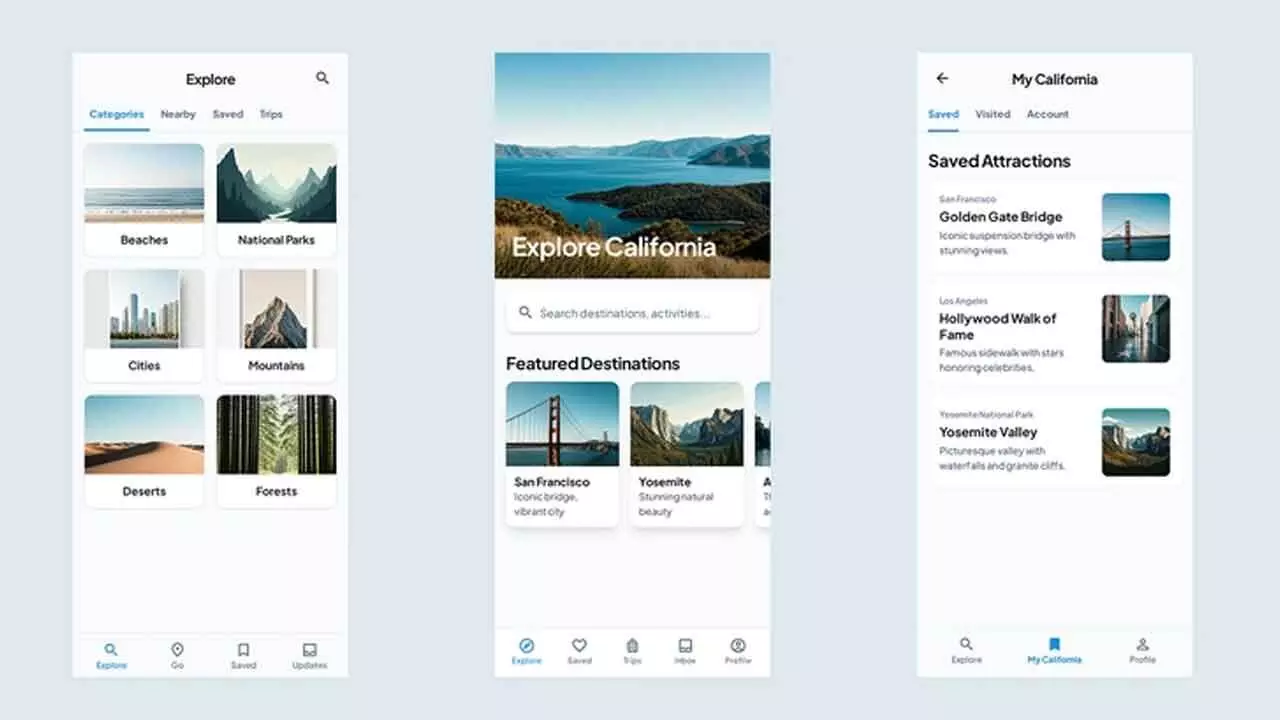
Google introduces Stitch, an AI-powered platform enabling users to design apps and websites through simple prompts, eliminating complex wireframing processes.
In a move that signals the next phase of AI-driven creativity, Google has launched an upgraded version of its Stitch platform, aimed at transforming how apps and websites are designed. The new tool introduces what the company calls “vibe designing,” allowing users to create digital interfaces simply by describing their ideas rather than building them manually.
As artificial intelligence continues to reshape coding practices, Google is now extending its reach into design workflows. Stitch, an AI-native platform, enables developers, designers, and even non-technical users to generate app and web interfaces using natural-language prompts. Instead of sketching wireframes or arranging layouts, users can now focus on explaining the overall feel, purpose, and user experience they want to achieve.
According to Google, this approach significantly reduces the complexity of the design process while speeding up development cycles. By shifting attention from technical execution to creative intent, Stitch aims to make UI design more accessible and efficient. The company believes this could help bridge the gap between an idea and a fully functional interface, enabling users to move from concept to high-quality designs within minutes.
Originally introduced as a companion tool for AI coding, Stitch has now evolved into a full-fledged AI-native design platform. One of its standout features is a redesigned infinite canvas that brings together text, images, code, and UI components into a single workspace. Users can simply describe their vision — whether it’s the functionality of an app or the experience they want users to have — and the system generates interactive designs accordingly.
The platform also includes an intelligent design agent capable of understanding the broader context of a project. This agent can suggest improvements, generate multiple design variations, and help teams explore different creative directions without starting from scratch. Additionally, an integrated Agent Manager allows users to track different versions of their designs, making experimentation easier without losing earlier work.
Another notable addition is voice-based design interaction. Users can speak commands such as “show me three menu options” or “change this screen to a dark theme,” and the platform updates the interface in real time. The system can even ask follow-up questions to better understand the user’s intent, making the process feel more like collaborating with a colleague than using a traditional design tool.
Beyond design, Stitch also connects directly with development workflows. It allows users to export UI layouts into code through its MCP server, SDK, and integration with tools like AI Studio. A new DESIGN.md format has also been introduced, enabling teams to reuse design guidelines across projects or replicate styles from existing platforms.
Currently available through Google Labs, Stitch is designed for a broad audience, from experienced designers to first-time app creators. While pricing details have not yet been announced, the platform is being offered as part of Google’s experimental AI initiatives.